


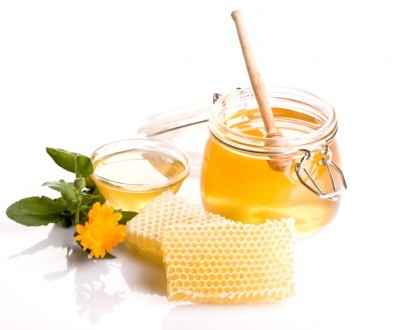
Honey isn't just for tea — its natural enzymes, antifungal, and antibacterial properties make it a surprisingly effective rooting aid for plant cuttings. Many gardeners swear by it as a chemical-free alternative to synthetic rooting hormones. Here's how to make and use a honey-based rooting solution.
Raw (unpasteurized) honey contains beneficial enzymes and compounds that may stimulate root initiation. Its antimicrobial action protects vulnerable cuttings from rot and infection. Plus, the sugars provide an energy boost. Processed honey loses much of this potency — always choose raw or pure.
Stir honey into the hot water (do not boil the honey). Cool completely. Store in a dark, airtight jar (mason jar works well) for up to 2 weeks.
Soil/soilless mix: Poke holes with a pencil, insert cuttings, keep moist. Cover with vented plastic if desired.
Water: Place dipped cutting directly in water.
Rockwool: Pre-saturate; insert cutting deeply.
Roots typically appear within a week. Honey works on many herbaceous and woody plants — experiment to see what responds best in your conditions.
Troubleshooting Rose of Sharon Hardwood Cuttings: Leaf Growth Without Stems
Rooting Aloe Vera from Soft Stem Cutting
Selecting Low-Root-Impact Trees for High Desert California
Propagating Hydrangeas from Softwood Cuttings in Zone 6
Rooting Elaeagnus x ebbingei (Silverberry) Cuttings
Root Development in Croton Cuttings: Hormonal Basics for a Biology Student
Planting Bare-Root Hibiscus and Hummingbird Vine: Step-by-Step Guide
Gardening in Clay Soil: Turn Heavy Earth into Fertile Ground
Propagating Black Locust (Robinia pseudoacacia) from Stem Cuttings
How to Handle Root Rot on Thyme Plants
Copyright © www.100flowers.win Botanic Garden All Rights Reserved