


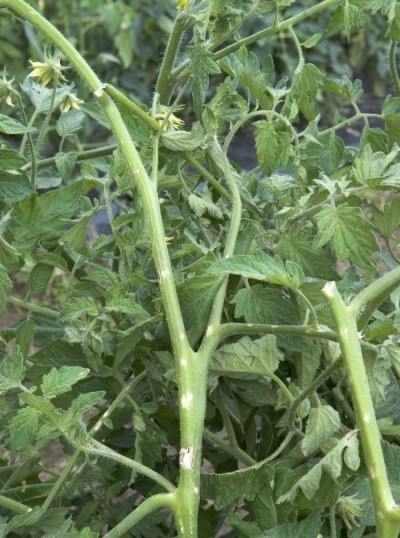
Few gardening mishaps are as disheartening as a snapped stem on a prized vine, shrub, or young tree. The good news? You can often save the broken piece by borrowing a technique from grafting: splice grafting. This method reconnects the vascular tissue, allowing water and nutrients to flow again and giving the damaged stem a fighting chance.
Once a stem breaks completely, its lifeline — the xylem and phloem — is severed, and the tissue will usually die. But if you act quickly, before the cut surfaces dry out, you can sometimes splice the stem back onto the parent plant. This works best on stems that are still partially attached (with some connective tissue intact), but even fully detached stems can be rejoined if treated promptly.
For stems that haven't fully separated, the repair is simpler. You'll need a rigid support (a pencil, dowel, or stake) and a flexible binding material like plant tape, nylon strips, or even electrical tape.
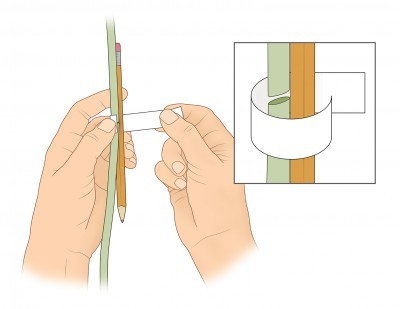
For a clean break, the process is more precise:
Splice grafting isn't a guarantee. Monitor the plant closely and provide optimal care — consistent moisture, protection from extreme sun/wind, and minimal disturbance. Soft-stemmed plants may rot or succumb to pathogens. Woody stems with exposed cambium may fail to seal, cutting off nutrient flow. But for climbers like clematis, jasmine, or indeterminate tomatoes, it's often worth a try. You have little to lose and potentially a beautiful plant to save.
Hens and Chicks (Sempervivum) Care: The Ultimate Hardy Succulent
Oxalis (Shamrock) Plant Care: Growing Colorful Clover Indoors & Out
Coneflower (Echinacea) Growing Guide: Tough, Beautiful, and Pollinator-Perfect
Impatiens: Growing Colorful Shade-Loving Annuals for Gardens and Containers
Shipping Live Plants by Mail: Packaging, Labeling, and Carrier Tips
Fertilizing Pitcher Plants: When, How & What to Use
Designing for Dry, Sunny Gardens: Plants & Strategies That Thrive
Do Plants Need Vitamins? Understanding Plant Nutrition
Water Types for Plants: Clean, Salt-Free Is Best
Selecting and Caring for Your First Bonsai: A Complete Guide
How to Water Plants Correctly: Timing, Amount, and Techniques
Choosing Healthy Plants at the Nursery: A Buyer’s Checklist
How to Grow a Plant: Essential Guide to Soil, Light, and Water
Copyright © www.100flowers.win Botanic Garden All Rights Reserved