


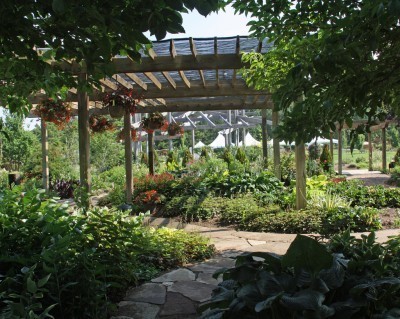
"Full shade" doesn't mean total darkness — it means no direct sunlight hits the area all day. Light may be reflected off walls or filtered through a dense canopy, but the sun's direct rays never touch the ground. Many beautiful plants not only tolerate this but prefer it. Here's how to identify true full shade and choose plants that will flourish.
Full shade occurs under:
Seasonal changes matter: a spot under a deciduous tree may be full shade in summer but sunny in early spring before leaves emerge. Observe year-round.
Shady areas often have root competition from trees, nutrient-depleted soil, and poor drainage. Amend generously with organic compost to improve texture and fertility. Woodland species are adapted to these conditions.
Shade gardens shine with foliage, not just flowers. Look for variegated leaves (creams, whites, yellows, pinks) to brighten dark corners. Pair deeper hues (purples, blues, reds) with lighter companions for contrast. Reliable performers include:
With the right plants, full shade becomes a lush, cool retreat — not a problem spot.
Best Plants for Shade Gardens: Ferns, Hostas, and More
Dendrobium Orchid: Species Profile, Hybrids & Cultural Significance
Uplighting Trees and Gardens: Fixtures, Placement, and Plant-Safe Lamps
Bowles Common Periwinkle – Shade-Tolerant Groundcover
Bowles' Common Periwinkle – Top Shade Groundcover with Violet Blooms
Plasticulture for Home Gardens: Plastic Mulch, Drip Irrigation, and Early Harvests
Shade Cloth for Gardens: Protecting Plants from Sun and Winter Burn
Invasive Plants: Why to Avoid Exotic Species in Your Garden
Volunteer Plants: Managing Self-Sown Seedlings in Your Garden
Light Shade Gardening: Plants for Dappled and Partial Sun
Guerrilla Gardening: Turning Neglected Spaces Into Green Oases
Full Sun Gardening: What It Really Means and How to Plan for It
Copyright © www.100flowers.win Botanic Garden All Rights Reserved