


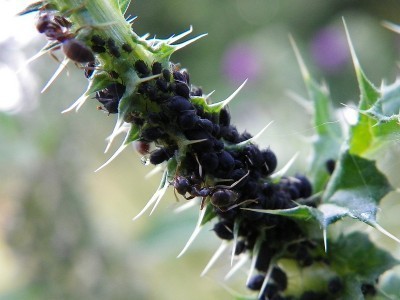
Sticky, shiny leaves? Black sooty mold? You've got honeydew — the sugary excretion of sap-feeding insects like aphids, mealybugs, soft scale, and whiteflies. The honeydew itself doesn't hurt the plant, but the insects do, and the mold blocks photosynthesis. Here's how to break the cycle.
Piercing-sucking insects tap into plant veins and excrete excess sugar as honeydew. It attracts ants (which "farm" the pests) and wasps. The real damage: weakened growth, curled leaves, and sooty mold fungus growing on the sticky film.
Honeydew is a symptom, not the disease. Treat the insects, and the stickiness disappears.
Finding Native vs. Introduced Plant Ratios for Your Region
How to Protect Plants from Frost: Covers, Cloches & Smart Strategies
Preparing and Maintaining the Perfect Hydroponic Nutrient Solution
Garden Highlighting Techniques: Uplighting, Downlighting, and Path Lighting
Reseeding Plants: Managing Self-Seeders for a Thriving Garden
Light Shade Gardening: Plants for Dappled and Partial Sun
Full Sun Gardening: What It Really Means and How to Plan for It
Stress-Free Gardening: Enjoyable Techniques for Beautiful Results
Greenhouse Lighting and Watering Systems: Complete Setup Guide
Organic Garden Mastery: Avoid Pitfalls, Achieve Abundance
Ordering from Seed and Plant Catalogs: Smart Selection Tips
Plant Supports: Choosing and Using Stakes, Cages, Trellises & More
Copyright © www.100flowers.win Botanic Garden All Rights Reserved