

Large White Pine Decline: Beyond Fertilizer
20 Mature White Pines Dying in Michigan: Need Professional Diagnosis A homeowner in lower Michigan with 20+ 50-foot white pines (25+ years old) showing decline asks if Miracid fertilizer will help. Fertilizer Alone Wont

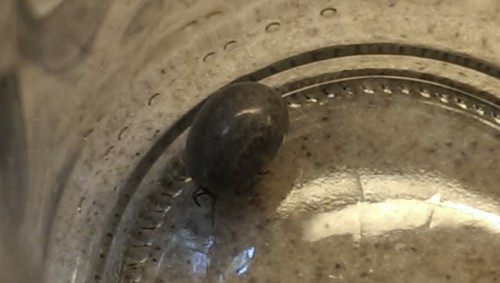
Tiny White Worms at Rose of Sharon Base: Identification
Mysterious Insects at Shrub Base: Likely Japanese Beetle Grubs A Rose of Sharon, transplanted last year to a sunnier spot, showed slow spring growth. Tiny white worms crawling at the base of the trunk were observed—disti
Emergency Care for Summer-Transplanted Crape Myrtle
Crape Myrtle Moved in 90°F Heat: Survival Steps A 4-5 ft crape myrtle was transplanted 3 feet in Dallas, TX, during 90°F weather. Leaves wilted, crisped, and fell. Root stimulator applied day after; daily watering since.
Spittlebug Infestation on Variegated Dogwood
White Frothy Substance on Dogwood Stems? Spittlebugs A variegated dogwood showed crinkled, holey, curling leaves for two years. White liquid substance found on stems during trimming raised disease concerns. Diagnosis: S
Powdery Mildew on David Viburnum: Identification and Control
White Fungus on Viburnum Leaves in Dry Conditions A David viburnum developed white fungal growth on leaf tops during an exceptionally dry year. The homeowner suspected overwatering but conditions were droughty. Diagnosi
Verticillium Wilt in Purple-Leaf Sand Cherry: Management Options
Suspected Verticillium Wilt in Sand Cherry Hedge A Canadian gardener on Lake Ontario described four 4-year-old purple-leaf sand cherries in sandy amended soil. One was always sickly; last year its leaves shriveled. This
Maple Tree Decline: White Fungus and Girdling Roots
Diagnosing Maple Dieback with White Fungal Growth A central Pennsylvania maple showed wilting leaves last year; lab tests found no disease. Pruned limbs now display thick white fungal growth, cracking bark, and renewed w
Safe Dormant Oil Alternatives for Arborvitae Scale Control
Treating Scale on Arborvitae Without Phytotoxicity A homeowner with scale-infested arborvitae was advised to wait until late winter/early spring for dormant oil application but was concerned about letting the infestation
Identifying and Treating Holly Leaf Miner Damage
Curled Holly Leaves with Black-Margined Holes? Its Likely Leaf Miner A 5-foot Emily Bruner holly exhibited stunted, curled new leaves. As leaves expanded, they developed elongated holes with black, brittle margins parall
Reviving Stunted Rose of Sharon in Clay Soil
Overcoming Heavy Clay for Healthy Rose of Sharon Growth A gardener in Utah planted Rose of Sharon shrubs the previous August. They survived winter but showed minimal growth the following season—small leaves, no bushing o
Saving a Potted Crape Myrtle from Wilting and Yellowing
Container Crape Myrtle Care in Hot Climates A gardener in Central California purchased a 5-gallon Cherokee crape myrtle in summer, intending to plant it in fall. To keep it healthy until then, they transplanted it into a
Why Your Dogwood Has Smaller Leaves on Upper Branches
Understanding Leaf Size Discrepancies in Dogwood Trees A homeowner in Maryland noticed a puzzling pattern on their established dogwood: lush, large leaves on lower branches but significantly smaller foliage higher up. Bo
Moving Large Cypress Trees: Fall Timing and Root Ball Size
Identification First Take a cutting to local nursery for ID (likely Leyland or Italian cypress). Moving 7–8 ft Trees Wait for fall cool-down. Dig root ball as large as manageable. New holes: 1.5× root ball size. Amend
Oleanders Not Blooming: Overfertilizing and Pruning Fix
Cause Monthly Miracle-Gro forces leaf growth, not flowers. Oleanders bloom on new wood. Fix Fertilize only twice yearly (spring, fall). Prune hard in early spring to stimulate flowering shoots.
Nandina Hard Pruning: Clemson Recommends 1/3 Rule, Not Stumps
What Happened Cutting nandina to ground-level stumps (rejuvenation pruning) is not recommended by Clemson. Their guideline: remove 1/3 of oldest canes annually in spring. Recovery Chance Nandina is tough; it may resprou
Princess Spirea Wilting After Bloom-Time Transplant
Critical Mistake Transplanting while blooming adds extreme stress. Plant may not recover this season. Care Now Continue normal watering. Fertilize in fall. Do not prune further. Outlook Rarely, a second flush of buds
Ponytail Palm Offset Propagation: Research-Based Guide
Propagation Method Ponytail palm (Beaucarnea) produces offsets at the base. Separation requires careful technique to avoid parent damage. Reference Detailed steps with photos: GardenWeb forum thread (covers offset remov
Fertilizing New Landscape: Bio-Pak Plus for Root Establishment
Recommendation For newly planted shrubs, sago palms, perennials: Use Bio-Pak Plus (Plant Health Care). Low nitrogen, high phosphorus/potassium, beneficial fungi, micronutrients. Apply via hose-end sprayer. Why Not Regul
Burning Bush Sudden Decline: Anthracnose or Mites—Fertilize and Treat
Possible Causes Anthracnose (fungal) — rare this far north but possible. Two-spotted spider mites — cool-season mites; damage appears in heat. Action Apply granular fertilizer + fungicide + miticide (cover all bases)
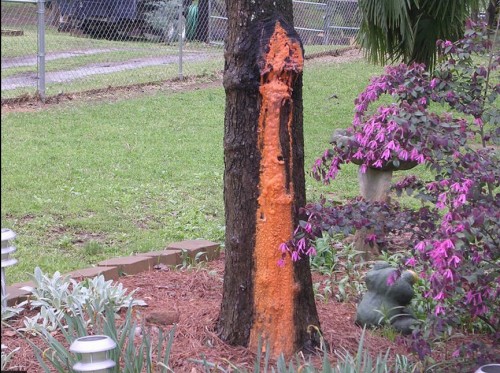
Cherry Laurel Bark Damage: Rabbit Feeding, Not Normal
Diagnosis Gouged bark at base of cherry laurels with rabbits present = rabbit feeding. Not normal for this species. Protection Wrap trunks with commercial tree wrap or hardware cloth. Extend 18–24 inches above snow lin
Copyright © www.100flowers.win Botanic Garden All Rights Reserved