

Goldmound Spirea Frozen Back: Wait, Don't Prune Hard Yet
Let It Leaf Out First Early spring growth on Goldmound spirea in Iowa froze, leaving brown, crumbly leaves. New growth is emerging at the base. Spirea blooms on new wood and will produce a second flush. Recommended Acti

Diagnosing Brown, Cracking Leaves on Mature Laurels in Utah
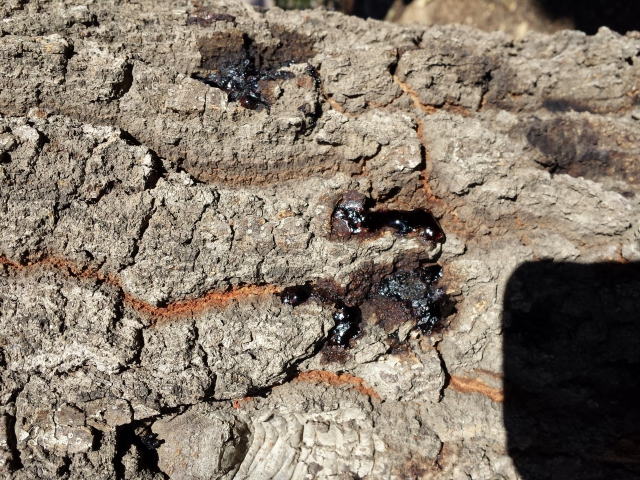
Three Main Suspects Large laurels in Salt Lake City show brown, dry, cracking leaves. Check for: Borers: Inspect trunks for small holes, sawdust-like frass, or oozing sap. Borers kill by girdling the vascular tissue. Ro
Planting Holly Shrubs in Clay Soil: The Right Way
Create a Good Root Zone Hollies need well-drained soil. In clay, dig the hole 2-3 times wider than the root ball but no deeper. Backfill with a 50/50 mix of native clay and high-quality organic topsoil or compost. Water
China Girl Holly and Nellie Stevens Holly Browning: Flood Damage?
Noreaster Flooding Suspected Multiple hollies in northern Delaware turning brown from tips down after a mild winter. Neighbors boxwoods also declining. This pattern suggests root zone flooding from a Noreaster. Recovery
Pruning Dwarf Globe Blue Spruce: Timing and Technique
When and How to Prune Dwarf Globe Blue Spruce in Cincinnati shows abundant new sprouts. Pruning can be done any time of year, but late winter to early spring is ideal. Hand-Prune for Shape Use sharp hand pruners—not sh
Pieris 'Forest Flame' Dried and Crisp: Scratch Test and Recovery Attempt
Pieris Forest Flame completely dry and crisp: scratch a branch with your fingernail. Green tissue underneath = alive; brown = dead. If alive, fertilize heavily with acid formula, water consistently, mulch. It may resprou
English Laurel Hedge Decline in Wet Clay: Root Rot and Replacement Species
English laurels dying limb-by-limb in heavy, wet clay after 10 years: poor drainage finally exhausted stored root starches. Laurels tolerate moisture temporarily but succumb to Phytophthora root rot in chronic wetness. R
Barberry Foliage Color: New Growth vs. Nutrient Stress in Green-Leaved Plants
Barberry with bright green leaves instead of expected deep purple-red: first, check if its new spring growth. All barberries emerge green, darkening as leaves mature. Wait 4-6 weeks. 6.5. Fertilize with low-nitrogen, hi
Pruning Mature Lemon Tree: Professional Guidance Needed for Structural Cuts
Pruning a mature, overgrown lemon tree for shape and size requires knowledge of citrus branching habits, cut placement, and disease prevention—skills not teachable via text. Improper cuts invite decay, sunburn, and crop
Transplanted Crepe Myrtle Slow to Leaf Out: Spring Fertilizing for Recovery
Crepe myrtle transplanted last fall in Mississippi, still leafless in April while others leaf out: its in transplant shock. Green, flexible twigs confirm its alive. Older trees take longer to re-establish root-to-shoot b
Overwintered Hydrangea Drooping After Move Outdoors: Acclimation and Bud Preservation
Hydrangea moved from indoor winter protection to Minnesota deck in spring, now drooping: its shock from sudden exposure to wind, sun, and temperature swings. The plant was soft from indoor conditions. Do not prune—most
Newly Planted Arborvitae and Spruce Decline: Overwatering in Clay Soil
Arborvitae and Colorado spruce planted two weeks ago in westward-facing clay soil, watered 3-4 times weekly, now yellowing with needle drop and sap—classic overwatering in poorly drained clay. Clay holds water; frequent
Caribbean Copper Plant Freeze Damage: Succulent Limits and Survival Test
Caribbean copper plant (Euphorbia cotinifolia) is a tropical succulent hardy only to zone 10 (30°F minimum). Deciduous means it drops leaves in drought/cold—not that it survives freezing. A Los Angeles freeze likely kill
Crepe Myrtle Spring Freeze Damage: Fertilize, Delay Pruning, Assess Survival
Crepe myrtles in Georgia hit by late freeze after early pruning: the new growth was tender and froze. Dont prune again yet—wait for resprouting (usually from lower buds). The plants arent dead; crepe myrtles are root-har
Whiteflies on Gardenia: Identification, Treatment, and Spray Coverage
Tiny white flying insects on gardenia in Alabama are whiteflies—sap-suckers that weaken plants and excrete honeydew causing sooty mold. They congregate on leaf undersides and inside the canopy. Treat with insecticidal s
Dwarf Purple-Leaf Peach Tree in Pot: Watering Guide and Drooping Leaves
Potted dwarf peach (likely Bonfire or similar ornamental) with drooping leaves: check soil moisture 2 inches deep. Water only when dry at that depth. Overwatering (soggy soil, water in saucer) suffocates roots—drooping l
Transplanting Mature Forsythia: Hand-Digging vs. Tractor, Root Ball Size
Moving a 10-year-old forsythia with a tractor will destroy it—the root system will be shredded. Hand-digging is essential. The root ball should be at least half the shrubs spread (likely 3-4 feet wide for a 10-foot plant
Understanding Winter Injury on Hollies: Causes and Prevention
Winter injury on hollies occurs when frozen soil prevents root water uptake while cold winds strip moisture from leaves through open stomata. Leaf cells freeze and rupture. Warm spells followed by deep freezes (like Dece
Skimmia Japonica Care: Size Control, Winter Protection, and Pruning
Dwarf male Skimmia japonica (likely Rubella or Fragrans) grows 2-4 feet tall/wide—Fragrans stays smaller (2-3 ft). Theyre slow-growing, so size control is easy. Prune only after flowering (spring) to shape; they bloom on
Azalea Winter Injury in Michigan: Recovery Fertilizing and Pest Monitoring
Azaleas in mid-Michigan showing 85% brown/rust foliage on May 1 after a cold snap following warm weather have suffered winter desiccation. The early warm spell broke dormancy; the freeze killed tender tissue. Acid fertil
Copyright © www.100flowers.win Botanic Garden All Rights Reserved