


When a large branch is removed from a river birch in spring, the cut often “weeps” sap profusely. This is a natural pressure-driven response as the tree mobilizes water and nutrients for new growth.
The bleeding does not weaken the tree, invite pests, or cause dieback. It typically stops within a few weeks as the wound compartmentalizes.
Do not apply wound dressings, paints, or sealants—they trap moisture and hinder natural healing.
Maples, grapes, walnuts, and elms exhibit similar spring sap flow. In maples, it’s harvested for syrup.
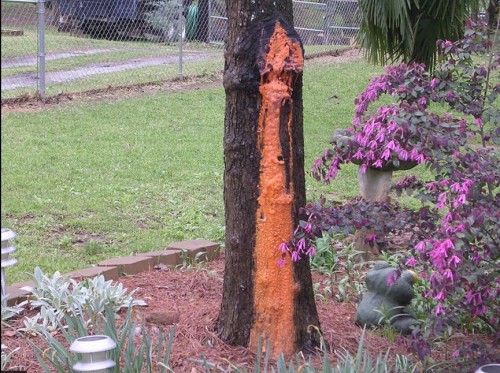
orange slime on dogwood sap
River Birch Near Driveway/Foundation: Use Dwarf Cultivar
River Birch Root Cutting Causes Water Pooling
River Birch (Betula nigra): Exfoliating Bark for Year-Round Interest
River Birch Planted Near House: Root vs. Branch Concerns
River Birch Sap Flow: Normal Spring Phenomenon, Not a Problem
Orange Slime on Dogwood: Yeast Growth on Sap, Not Disease
River Birch Sawfly Larvae: Not Caterpillars, Require Different Control
Managing Gummosis in Young Plum Trees: Causes and Solutions
River Birch Aphids: Minor Pest, Easy Systemic Control
New River Birch Trees Slow to Leaf Out: Water, Don't Fertilize
Ice‑Damaged River Birch: When to Remove a Broken Trunk
River Birch Leaf Drop: Heat and Drought Response
River Birch Not Greening at Top: Splint a New Leader
Why Is My Cherry Tree Bleeding Sap? Causes and Solutions for Gummosis
Copyright © www.100flowers.win Botanic Garden All Rights Reserved