
Drosera binata Hardiness in Zone 7: Mulching and Species Selection
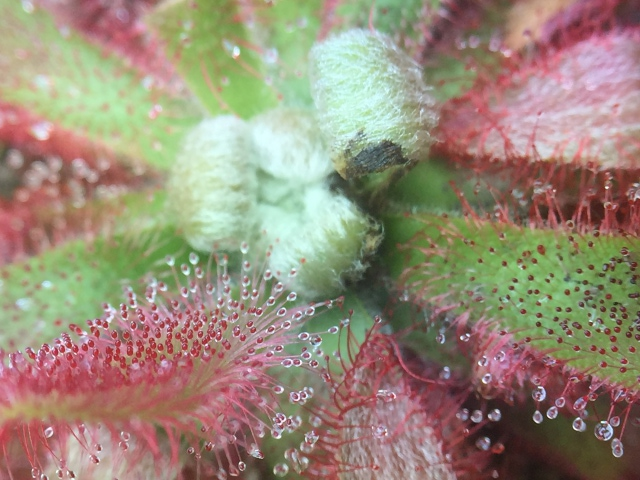
A North Carolina grower (Zone 7, occasional −5°F) wants to grow D. binata multifida or dichotoma in a mulched bog garden. In Pots, Too Cold; In Bog Garden, Possible Potted plants will freeze solid. In a large planter/bo

BotaniGard 22WP Biological Insecticide: Status Update
A grower asks about BotaniGard 22WP (mentioned a year prior) for aphid control. Not Yet Tested; Acephate Still Preferred We haven’t trialed it—acephate works so well in the greenhouse we haven’t needed an alternative. P
Drosera capensis/alba Leaf Size Reduction After Repotting and Flowering
After trimming dead leaves and repotting, a grower’s D. capensis ‘Typical’ and two ‘Alba’ produced smaller new leaves (1–2″ petioles, 0.5″ lamina vs. previous 2–3″/1″). Plants are healthy, flowering. Flowering Diverts E
Nepenthes ventrata: Pitchers Are Modified Leaves—They Don’t Regrow on Old Leaves
A grower with a thriving 10-gal aquarium of temperate CP asks about a new N. ventrata: do cut pitchers regrow on the same leaf? Pitchers Are Part of the Leaf Once a pitcher fully forms, leaf growth ceases. When it dies,
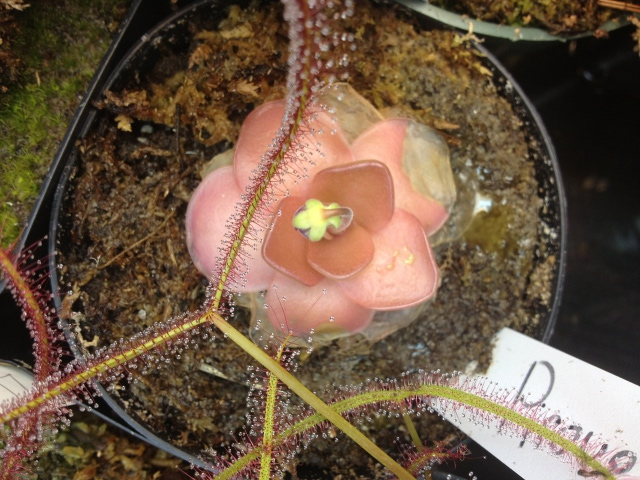
Pinguicula Leaf Drying During Flowering: Feeding and Humidity Advice
A grower’s Pinguicula (in terrarium, AC-cooled, 67–85°F) dried and declined after flowering. Flowering Drains Reserves—Feed Lightly Aborted flowers often signal nutrient need. Mist leaves with ¼ tsp/gallon orchid fertil
Live Sphagnum Moss as a Rooting Medium for Nepenthes Cuttings
A grower plans to strike a Nepenthes cutting (likely ‘DeRoose Alata’ or ‘Miranda’) and asks if live sphagnum works, having only that and the water method available. Live Sphagnum Works Well It’s an excellent medium—reta
River Water vs. Tap Water for Carnivorous Plants in Coastal Oregon
A Coquille, OR grower (2 blocks from river, 17 miles from ocean) asks if river water is safe, given dry summers and difficulty testing tap water (NTU 0.02, hardness 5—units unclear). River Water Likely Fine If Not Tidal
Cephalotus and Darlingtonia in Hot Climates: Better Alternatives for Zone 9b
A Zone 9b grower with self-watering pots (10″ Lechuza) successfully grows Sarracenia and Venus flytraps even at 110°F spikes. Asks if Cephalotus or Darlingtonia could adapt. Both Struggle in Sustained Heat Cephalotus an
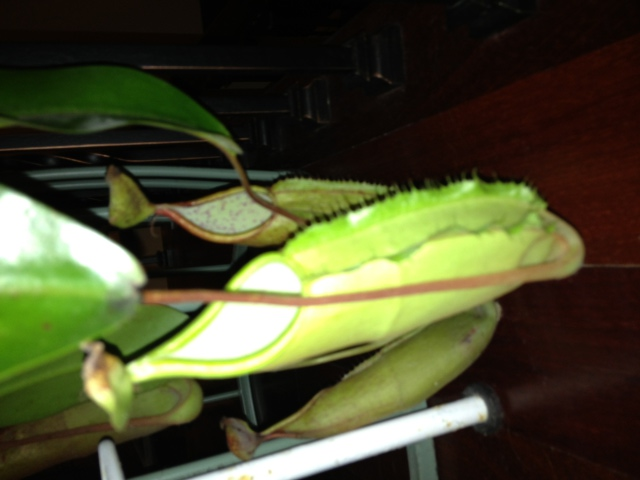
Identifying a Vigorous Nepenthes: Likely N. sanguinea Hybrid
A New York grower’s plant grew from 5″ to 3+ feet with 9″ pitchers in three years, pitchers shrink in winter, none in winter, explodes outdoors in summer. Cuttings root vigorously. Probably N. sanguinea or Hybrid Appear
Tap Water Suitability and Styrofoam Container Insulation for Sarracenia
An Oregon grower with unidentified Sarracenia rhizomes asks about tap water (NTU 0.02, hardness 5) and using styrofoam containers lined with plastic for root cooling. Use Pure Water Regardless of Low PPM Even low-minera
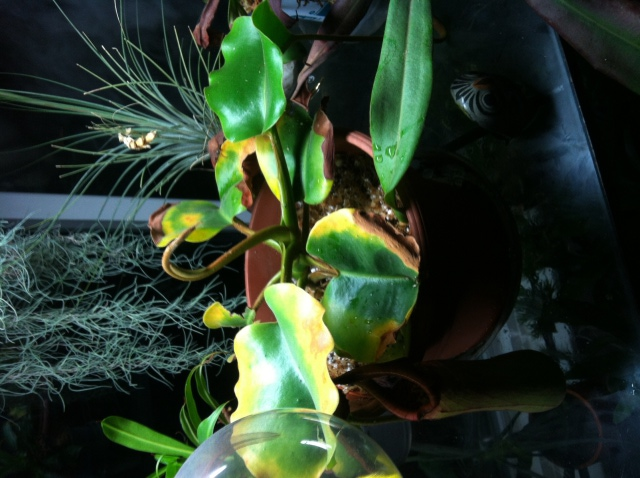
Nepenthes Transplant Shock: Yellowing Older Leaves After Repotting
Five days after moving N. truncata from peat/perlite/sand to sphagnum/perlite, the plant showed severe yellowing/browning on all but the newest leaf. Likely Transient Shock If the newest leaves and pitchers continue gro
Systemic Insecticide Granules for Heliamphora Pest Control
A grower recalls a recommendation for soil-applied crystals (imidacloprid-based) for Heliamphora where dense pitcher clusters hinder foliar spray coverage. Product Example Imidacloprid granules (e.g., Bayer Advanced 12
Repotting Sarracenia and Dionaea in Early Spring: Does It Trigger Early Growth?
A German grower (Cologne) with mild winter temps (−5°C to +15°C) asks whether repotting now (4–6 weeks before expected growth) risks triggering premature emergence followed by re-dormancy. Repotting Now Is Safe Temperat
Spring Trimming: Phyllodia and Overwintered Pitchers on Sarracenia
A grower asks whether to remove green phyllodia on S. flava/S. oreophila and living overwintered pitchers on S. purpurea/S. psittacina as growth resumes. Leave Living Tissue Phyllodia: Beneficial—photosynthetic, low
Indoor Care and Repotting Timing for a New Venus Flytrap in Winter
A Massachusetts grower ordered a Venus flytrap in early March; nights are still cold. Asks whether to keep it in a cool (54°F), dim basement window or a warmer (mid-60s°F), brighter room, and when to repot. Bright Light
Tropical Sundews and Ibicella in a Zone 7 Bog Garden
A North Carolina grower (near Winston-Salem) asks about overwintering Cape sundews (D. capensis), rosetted sundews, and Ibicella lutea in a mulched bog garden. Hardiness Depends on Origin Cape sundews (South Africa, Zon
Drosera spatulata Flower Stalk: Seed Collection Guide
A grower’s thriving D. spatulata produced an 8″ curled stalk with apparent seeds. It’s a Flower Stalk—Self-Pollinating Tickle the tiny pink flowers (one opens daily) with a brush or toothpick to aid self-pollination. In
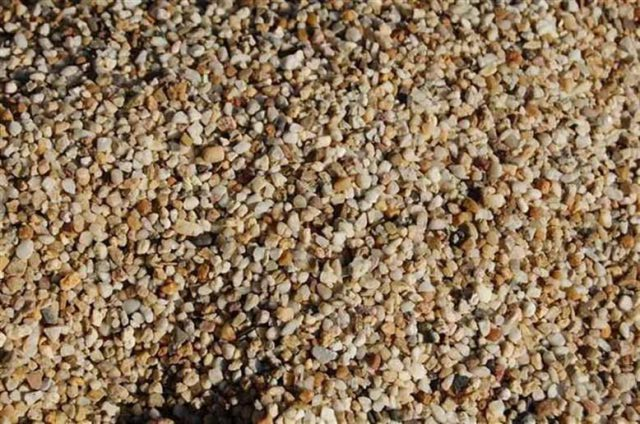
Choosing the Right Sand for Carnivorous Plant Soil Mixes
A German grower asks whether “play sand” (fine beach sand) or coarser “aquarium sand” (0.7–2 mm) is intended by “sand” in English-language CP guides. Aquarium sand resists compaction better. Grade and Composition Matter
Drosera multifida ‘Extrema’ Leaf Dieback: Light Distance Issue
A grower’s D. binata multifida ‘Extrema’ produced leaves that grew well for 1–2 weeks, formed dew, then died, repeating for months. Setup: TaoTronics E27 LED, 12 hr, 18″ away, distilled water, original pot/soil. Light T
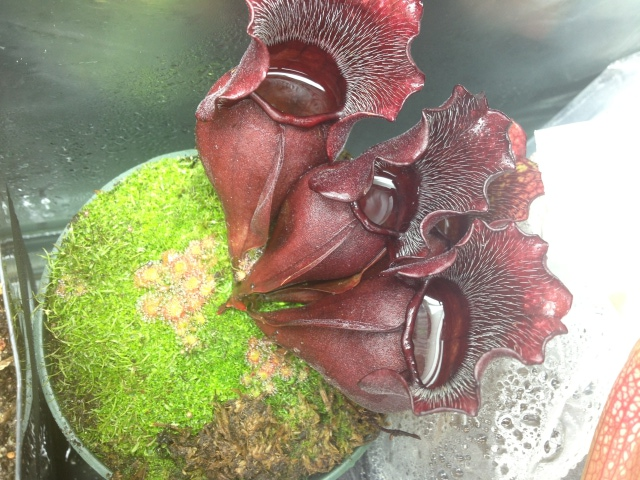
Breaking Dormancy in Sarracenia purpurea with Light Cycle Adjustment
A grower in Puerto Rico induced dormancy in S. purpurea by reducing photoperiod to 9–10 hours (December). The plant stopped growing but retained red traps. Other plants fridge-dormant for 4 months are now waking. Resume
Copyright © www.100flowers.win Botanic Garden All Rights Reserved