

Crown of Thorns Green Flowers: Natural Variety, Not Deficiency
Explanation Euphorbia milii (Crown of Thorns) has many cultivars. Green/white flowers exist – not a mineral deficiency. Reference University of Florida Cultivar Guide shows color range. Care Bright light for best bloo

Cactus Spine Injury: Swelling, Tetanus Risk, and Plant ID
Not Poisonous Cactus spines cause mechanical injury + bacteria introduction. Swelling/pain = normal puncture response. Critical: Tetanus 10 years. Soil-borne Clostridium tetani on spines is real risk. Plant ID Offer Em
Peruvian Apple Cactus Frost Damage: Wait, Then Prune
Patience First Cereus repandus (Peruvian Apple) cold-damaged, upper columns rotting. Protocol Wait until all freeze risk passes (spring). Dead tissue protects live. Cut to healthy green (firm, no brown). Dust cuts with
Aloe Vera Brown Spots: Insect Damage, Not Fungus
Diagnosis Brown spots on older outer leaves only = insect feeding damage (likely mealybugs or scale). Not fungus if inner leaves clean. Watering Once monthly indoors is fine if soil dries completely. Bright indirect lig
Cutting Column Cactus: Where to Cut for Best Rooting
Follow-Up: Cut Location 7.5-foot column cactus with 41-inch top growth hitting ceiling. Cutting Advice Cut mid-stem (not at woody base, not at tip). Woody tissue wont root; tip is too soft. Let callus 3 weeks. Pot in c
Valentine's Moon Cactus: Short-Lived Graft Identification
Identification 2-inch, red/pink top, green base, no spines on colored part = Moon Cactus (Gymnocalycium grafted on Hylocereus). Reality Check Colorful top has no chlorophyll – cannot survive alone. Grafted for nutrient
Cactus Transpiration: Nighttime Stomatal Opening
CAM Photosynthesis Cacti transpire like other plants, but stomata open at night (Crassulacean Acid Metabolism). Process Night: Stomata open → CO₂ enters → stored as malic acid. Day: Stomata closed → malic acid decarbox
Toppled 18-Foot Columnar Cactus: Re-rooting Giant Cuttings
Wifes Method Is Risky Cut halfway, stick top in hole – works for small cuttings, not 18-foot giants. If Attempting Cut manageable sections (6–8 ft). Callus 3+ weeks (thick stems dry slow). Plant in sand/gravel, 12+ inc
Aloe ferox No Seeds: Frost or Pollination Failure
Two Main Causes Flower stalk freeze: Aloes hardy, but flowers die at 20°F. Recent cold snap likely killed pollen/receptivity. No cross-pollination: Aloes need different genetic individual + pollinator (sunbirds/hummingb
Kentucky Cactus Growing: Transplanting and Outdoor Risks
Transplant Basics Same as any plant, but cactus mix soil mandatory. Water once, then dry cycle. Outdoor Rock Garden? High Risk Kentucky rainfall = 5–10× desert. Cacti rot in wet clay. Options: Raised bed: 18+ inches co
Saving Giant Euphorbia trigona from Overwatering Rot
Emergency Surgery 25-year-old, 52-inch Euphorbia trigona overwatered, basal 22 inches dry/shriveled, top 30 inches green. Best Approach: Break, Dont Cut Snap off green sections just below healthy tissue (minimizes toxi
San Pedro Tip Discoloration: Frost or Rot?
Top-Down Discoloration = Not Root Rot Root rot starts at bottom. Dark purple/black top 6–8 inches suggests: If Outdoors: Frost Damage Recent freeze (even weeks ago) shows delayed tip necrosis. Cut off dead tips; plant
Aloe Resources: Web Links for Uses and Propagation
Curated Online Resources No single book covers all aloes, but these sites help: Desert Botanical Garden Aloe Page – cultivation, species info. Huntington Library Catalog – lists aloe-specific books. Key Aloe Types St
Wedding Symbol Cactus Rotting at Base: Overwatering Rescue
Diagnosis Stem rot at base + dark top spots = classic overwatering. Spines firm = not yet systemic. Rescue If ≥8 Inches Healthy Stem Cut 2+ inches above highest rot. Check cross-section: no brown streaks. Callus 2 week
Pachycereus marginatus Gray Patches: Cold or Sunburn?
Two Likely Causes Cold damage: Edges/tips most vulnerable. Gray, hard, dry patches = freeze injury. Sunburn: If planted with wrong orientation (nursery south side not facing south), tender skin burns → gray/white patche
Succulent Collection Crisis: Light, Water, and ID Help
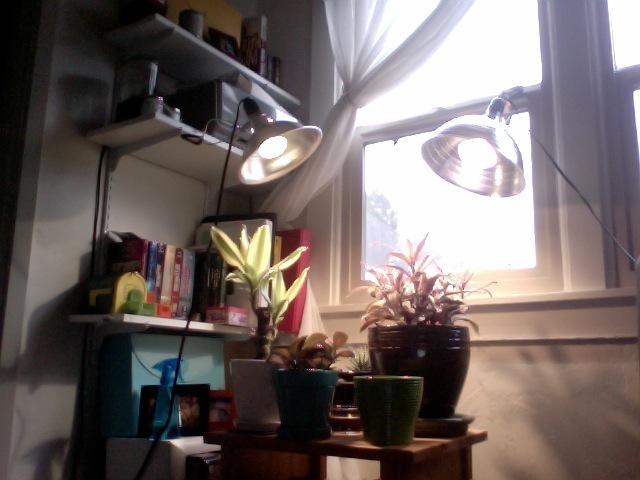
Core Problem: Insufficient Light South-facing windows only + weak grow light = etiolation (stretching), rot, poor color. Sun-loving succulents need intense light. Immediate Fixes Grow light: True grow spectrum (not jus
Replanted Saguaro Arm: What to Expect Long-Term
Outcome 3-foot saguaro arm tip planted 1 foot deep, occasional water, 1 year later looks healthy. If Rooted Will branch near ground – becomes multi-stemmed shrub, not classic tree form. Unique, sculptural look. Flowers
Frozen Golden Barrel: Remove Dead Tissue After Frost Danger Passes
Timing Wait until all frost risk passes (spring). Dead tissue insulates live tissue below. Procedure Remove spines from rotted area (pliers, thick gloves). Cut away all soft, brown/black tissue until only hard green re
Broken Euphorbia: Toxic Sap Precautions and Re-rooting
Identification Milky white sap = Euphorbia, not cactus. Sap is toxic – irritant to blistering, eye damage risk. Safety First Gloves, eye protection, long sleeves. Wash sap off immediately with soap/water. Keep away fro
Replanting 10-Inch Cactus Piece: Depth and Patience
Simple Protocol Callus broken end 2+ weeks (until hard, dry). Pot in cactus mix, bury 3 inches deep. Water once thoroughly. Then only when soil dry. Roots in 1+ month – wait for new growth. Tips 1-inch diameter = eas
Copyright © www.100flowers.win Botanic Garden All Rights Reserved