
Planting 12-Foot Cactus Cuttings: Dry First, Orient Later
Critical Error: Soaking in Water Cuttings soaking in a tub for a week = rot incubator. Remove immediately. Correct Protocol Dry completely: Lay in shade 2–4 weeks until cut ends are hard, dry, no softness. Identify sou

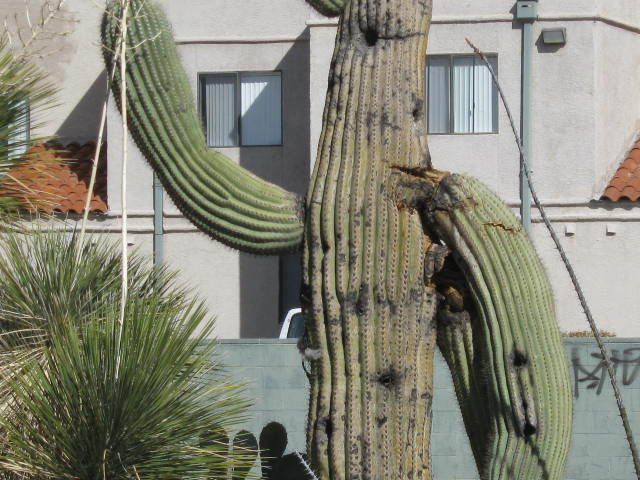
Saguaro Turning Black Inside: Fatal Rot from Cold or Water
Diagnosis Black interior + root loss = advanced rot. Causes: Excess water: Irrigation, poor drainage, low spot. Hard freeze: Recent cold snap (<20°F) damages tissue; rot follows. Both: Wet soil + freeze = guaranteed rot
Red Moon Cactus Fading & Blackening: Sunburn Diagnosis
Classic Sunburn A year-old red moon cactus (grafted Gymnocalycium) fades to pale, then blackens on the window side. Cause: direct or reflected sun on a greenhouse-grown plant. Why It Happens Moon cacti are raised in sh
Foul-Smelling Yellow Aloe Gel: Not Normal – Identify Plant
Red Flag Aloe vera gel should be clear, odorless, and tasteless. Yellow-green, foul-smelling gel indicates: Wrong species: Some aloes (e.g., Aloe ferox) have bitter, colored sap. Old leaf: Outermost leaves degrade over
Leggy Aloe Vera: To Cut or Not to Cut the Trunk?
Identify the Growth Habit First Aloe with a long, bare trunk and top-heavy rosette. Three possibilities: Aloe vera (creeping): Naturally falls over and roots along stem. Tree aloe (e.g., Aloe dichotoma): Grows upright w
Car-Wrecked Prickly Pear: Easy Propagation from Pads
Good News A 20-year-old flat-stemmed cactus (likely Opuntia – prickly pear) shattered in a car accident. Prickly pears are among the easiest cacti to propagate. Salvage Steps Collect all detached pads (cladodes). Let c
Cold-Hardy Cacti for Illinois Winters
Yes, They Exist Several cacti survive Illinois winters (Zone 5–6) outdoors: Top Choices Opuntia humifusa (Eastern Prickly Pear): Native to Midwest, survives -20°F. Opuntia fragilis (Brittle Prickly Pear): Extremely har
Identifying a Large Hanging Cactus with Red Flowers
Description Matches Large, hanging, gross looking stems with spectacular red/pink flowers – likely an epiphytic cactus such as: Disocactus (rat-tail cactus) Aporocactus Epiphyllum hybrids (orchid cacti) Selenicereus (mo
Why Cactus Flowers Close So Fast: Water Conservation
Genetic Programming Most cactus flowers last 1–2 days maximum. You cannot extend this. Evolutionary Reason Flowers lose massive water via transpiration. Cacti survive by minimizing water loss. Short bloom = minimal wat
Saguaro Seedlings: Transplant Timing and Care
Slow Growth Is Normal Souvenir kit seedlings sprouted in weeks (vs. 3–10 days claimed). Nine seedlings in a tiny pot. Timeline First year: Leave in original pot. They grow faster than wild but still tiny. Year 1–2: Tra
Golden Barrel Cactus Pups: Can Side Offsets Be Rooted?
The Challenge A mature Echinocactus grusonii produces pups on sides and base. Owner asks if side pups can be cut and rooted. Reality Check Barrel cacti are notoriously difficult to root from cuttings. Basal pups (with s
Pruning Large Aloe Vera: When and How
Natural Shedding Aloes naturally shed oldest lower leaves as they age. If theyre shriveling, brown, and loose – theyre ready to go. Pruning Method Wait until leaf detaches easily with a gentle tug. If cutting: use clea
Aloe Vera Care: Soil, Watering, and Fixing Thin Leaves
Soil Standard cactus mix works perfectly. Key trait: drains in seconds. Amend with extra perlite/pumice if unsure. Watering Only when soil is completely dry. Then water thoroughly until it drains out. No schedule – chec
Hot-Glued Flowers on Cacti: Cosmetic Fraud, Not Fatal
The Discovery A birthday cactus from Sorensen Greenhouses had fake flowers hot-glued on. A child broke one off, revealing the deception. Store claimed it was just for decoration. Glue Impact Plant harm: Minimal. Glue o
Repotting Lithops: Specialized Soil Is Essential
Lithops Are Not Like Other Succulents These living stones demand extremely specific conditions. The expert admits poor personal success and refers to a specialist resource. Critical Soil Requirements Almost zero organi
Trichocereus Health: Recurring Tip Issues Need Photo Diagnosis
History A Trichocereus peruvianus (San Pedro) has recurring black spots, squishy tips, and larvae. Owner treated with vodka mist, cut rotted tops, and regrew arms. Now 32 tall with persistent discoloration at new growth.
Saguaro Transplant Success: Watering, Orientation, and Risks
Pre-Purchase Q&A A buyer considers 3-foot saguaros (costly, no guarantees). Key questions answered: 1. Why No Water for 7–10 Days Post-Transplant? Saguaros are succulents storing water in stems. Immediate watering invit
Repotting Aloe dichotoma: Avoid Deep Planting
The Question Can Aloe dichotoma (quiver tree) be planted deeper to reduce height? Strong Advice: No. Aloe dichotoma is extremely sensitive to overwatering and deep planting. Burying the trunk: Keeps roots in wet zone l
Broken Moon Cactus: Can the Top Survive Alone?
The Break A 5-year-old moon cactus (red Gymnocalycium scion on green rootstock) snapped at the graft union after a raccoon encounter. Re-grafting the Scion Possible but difficult. Requires: Fresh Hylocereus or Pereskio
Mushy Moon Cactus: Rot or Thirst? Immediate Steps
Critical Warning A newly bought moon cactus (grafted Gymnocalycium on Hylocereus) turns mushy within 24 hours. This is not normal. Likely Causes Rot: Overwatered at nursery; fungal infection in graft union. Sunburn: Di
Copyright © www.100flowers.win Botanic Garden All Rights Reserved