

White Powder on Robellini Palm: Scale Insects, Neem Oil Control
Identification Powdery white on new growth of 4-year-old Robellini palm in North FL = scale insects (likely armored scale). Control Scrub with soapy cloth or spray 100% pure Neem Oil. Repeat in 2–3 weeks to catch newly

Gray Sheath on Rose of Sharon and Crape Myrtle: Lichens, Not the Killer
Identification Peelable gray/white leafy sheath = lichens. Symbiotic, non-parasitic, indicate clean air. Real Issue Lichens don’t kill trees. Something else (stress, drought, root issues) is weakening the plants, allowi
Holly Leaf Spots and Curling: Fungal Leaf Spot, Not Aphids
Diagnosis Black spots → curling → brown dry leaves = fungal leaf spot (tar spot most severe). Soap won’t work on fungus. Treatment Broad-spectrum fungicide: maneb, ferbam, or copper (Bordeaux). Apply every 2 weeks for
Cleveland Pear Soft Protrusions on Trunk: Fungus or Insect?
Assessment Soft ¼ protrusions that fall off when touched, leaving residue = likely a fungal growth (not insect). Could be a canker fungus or slime mold. Steps Check with local Agricultural Extension for ID. Ensure not
Potted Gardenia Leaf Drop and White Bugs: Neem Oil and Watering Fixes
Issues White bugs: Likely mealybugs or scale. Pure Neem Oil (Dyna-Gro) – organic, persistent. Brown leaf tips: Fertilizer burn – use slow-release. Leaf drop: Over/under watering. Empty saucer at 15 min; water when top i
Sooty Mold on Florida Gardenia: Systemic Insecticide for Scale/Aphids
Cause & Fix Black leaves = sooty mold on honeydew from scale/aphids. Bayer Advanced Tree & Shrub Insect Control (soil drench) kills the insects; mold disappears.
Red Apple Groundcover Yellowing in San Diego: Iron Deficiency and Watering
Background Red apple (Aptenia cordifolia) often turns chlorotic (yellow) from iron deficiency, even when established. It’s a rampant grower needing frequent trimming. Adjustments for San Diego Water very little: once a
Old Mulberry with Borers: Systemic Insecticide and Fertilizer
Situation 30-year-old mulberry, half dead, bark loosening, borer holes. Stress invited borers. Rescue Bayer Advanced Tree & Shrub Insect Control (soil drench) – kills borers inside. Fertilize with 10-10-10 (1 lb per in
Italian Cypress Turning Yellow in Wet Washington: Spider Mites
Diagnosis Light green needles, brittle yellow tips, grayish inner coating = spruce spider mites (cool-weather mites). Peak in spring/fall; cause stippling, bronzing, webbing. Treatment Miticides (not regular insecticid
Neighbor's Bamboo Threatening View: Running vs. Clumping
Legal & Practical Reality Running bamboo: Invasive; spreads to water sources, utilities, pools. Hard to stop. Clumping bamboo: Stays in tight clump; can be topped or trimmed. Options Talk to neighbor; suggest clumpin
Foam at Tree Bases: Spittlebugs, Not a Threat
Identification White, bubbly foam at base of hedge trees = spittlebug nymphs (froghoppers). They hide in foam for moisture and protection. Impact & Management Minimal damage; mostly cosmetic. Wash off with strong water
Glowing Green Patches on Northwest VA Trees: Lichens Are Harmless
Identification Round/long glowing green patches on deciduous trees (not evergreens) = lichens. Symbiotic, non-parasitic, diverse colors. Significance Indicate good air quality. Do not damage trees. More conspicuous on
Light Green Splotches on Gulf Coast Trees: Lichens, Not a Problem
Identification Light green splotches moving up water oak, magnolia, and popcorn tree = lichens. Symbiotic fungus-alga organisms; colors range from white to green. Reassurance Not parasitic; don’t harm trees. Indicate p
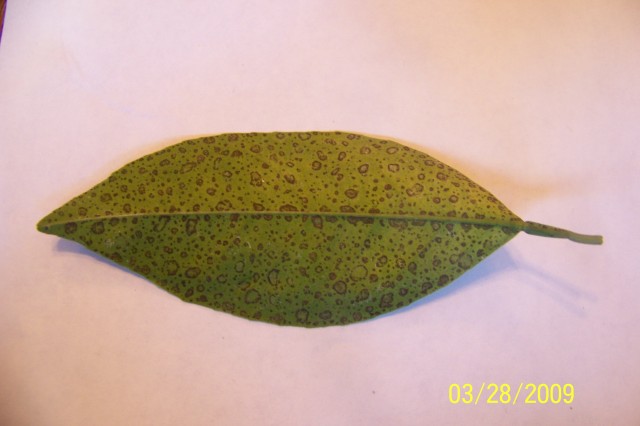
Citrus Scab on Arizona Sweet Orange: Neem Oil for Fungal Lesions
Identification Blackish-brown spots on leaf undersides = citrus scab (fungal). Encouraged by damp springs or overhead irrigation. Control Pure Neem Oil (Dyna-Gro) – corrects scab, organic, doesn’t wash off. Alternative
Rose Tree Losing Leaves: Watering, Fertilizer, and Drainage Fixes
Common Causes Overwatering: New potted plants need less water; water outer pot edge first. Fertilizer burn: Use slow-release only. Standing water: Empty saucer within 15 minutes to prevent root rot. Adjustments Check
Greenish-White Scale on Oak: Lichens, Not a Disease
Identification Greenish-white scale on oak limbs with brown rubbery strings that melt in sun = lichens (fungus + alga symbionts). The “strings” are the fungal partner rehydrating and fruiting. Key Facts Lichens are epi
Loblolly Pine Bark Loss at Base: Borer Damage, Not Fusiform Rust
Diagnosis Bark falling off with holes in wood = borer infestation (likely Ips or Dendroctonus beetles) entering through a wound. Not fusiform rust (no galls/swelling). Action Spray lower trunk with Onyx (bifenthrin) or
Powdery Mildew on Young Orange Tree: Neem Oil Treatment
Identification Cottony white spots on top of dense orange leaves = powdery mildew (uncommon on citrus but possible in dry, 72°F conditions). Treatment Pure Neem Oil (Dyna-Gro) – organic, fungicide, miticide, rain-fast.
Sticky Meyer Lemon Indoors: Scale Insects and Neem Oil
Cause Sticky honeydew everywhere = scale insects (likely soft scale). They feed on sap, excrete sugar-rich liquid. Treatment Pure Neem Oil (Dyna-Gro) – organic, persistent, also fungicide/miticide. Spray entire plant,
White Cottony Growth on Burning Bush: Woolly Aphids or Powdery Mildew?
Two Possibilities Woolly aphids: White, cottony, mobile; leave sticky honeydew. Shake branch to see movement. Powdery mildew: Static white powder on leaves/stems; no honeydew. Control Aphids: Bayer Advanced Tree & Sh
Copyright © www.100flowers.win Botanic Garden All Rights Reserved