
BB-Sized Bumps on Oak Branches: Galls or Scale? Stress is the Root Cause
Identification Hard, crunchy BB-like growths could be gall wasp galls or scale insects. Without seeing larvae, exact ID is difficult. Why They’re There Insects target stressed trees. Stressors include: Over-fertilizati

Repotted Pomelo Losing Leaves: Watering Technique and Pruning Advice
Why Leaves Wrinkle and Drop After repotting, citrus roots need time to expand. Water running straight through indicates poor soil contact or a gap between root ball and new soil. Fixes Firm the soil gently when repotti
Sticky Residue on Indoor Orange Tree: Scale or Aphids?
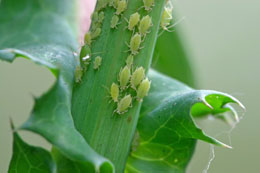
Cause The sticky “honeydew” covering leaves, pot, and floor is excreted by sap-sucking insects—most likely scale (small bumps on stems/leaves) or aphids (clusters on new growth). Spider mites cause stippling, not heavy h
Bare-Root Peach Trees Wilting and Losing Leaves: Overwatering Suspected
The Problem Newly planted bare-root peaches that wilt, lose leaves, then show brief regrowth before total defoliation are likely drowning. Daily watering plus rain in poorly drained soil suffocates roots. Corrective Ste
Bark Splitting and Falling on Mature Live Oaks: Hypoxylon Canker
Identification Grooved trunks with sloughed bark revealing powdery then crusty fungal mats (stromata) indicate Hypoxylon canker. The fungus invades drought-stressed or construction-damaged oaks. Key Facts No cure once
Fruit Trees Suddenly Lose Leaves and Blossoms in Tuscany: Freeze, Flood, or Fertilizer?
Assessing the Damage Plums, persimmons, nectarines, and peaches all losing leaves and blossoms after heavy rains (no freeze) suggests waterlogging or fertilizer burn. Stone fruits hate saturated soils. Diagnosis Steps
Bark Peeling on Mature Japanese Maple: Sunscald or Something Else?
Likely Cause: Sunscald Bark shedding all around the lower trunk of a 20-year-old Japanese maple (Acer palmatum) in spring suggests sunscald—a winter injury where thawing/refreezing ruptures bark cells. Common on thin-bar
Gray Crust on Lilac Trunks: Lichens or Scale? How to Restore Vigor
Diagnosis Gray, round/oval spots on lilac bark are likely lichens (harmless epiphytes) or possibly scale insects. Both indicate a thin canopy and low plant sugar (Brix) levels, often due to stress. Recommended Action D
Plum Tree Decline: Bacterial Infection and a Systemic Cleanup Approach
Symptoms of Systemic Disease Progressive limb dieback, sparse foliage, and poor fruit production over several years suggest a bacterial infection (e.g., bacterial canker, phytoplasma) or vascular disorder. Rescue Strate
Orchid Leaf Damage: Chewing Pests and a Non-Toxic Remedy
Identifying the Culprit Holes in orchid leaves with brownish crumbs and scratch-like lines suggest chewing insects (caterpillars, beetles) or possibly slugs/snails. The “crumbs” may be frass (insect droppings). Treatmen
Yellowing Leaves on a Young Arizona Sweet Orange Tree
Common Causes Overwatering: Citrus needs deep, infrequent watering (~3.5 inches/week). Let soil dry between waterings. No mulch or grass under canopy. Fertilizer burn: Cheap fertilizers contain salts that damage roots.
Powdery Mildew on Shrubs: Identification and Control
Symptoms White to gray powdery coating on leaves, stems, or flowers. Leaves may curl, yellow, brown, and drop prematurely. Usually not fatal but unsightly. Management Cultural: Improve air circulation, avoid overhead w
Euonymus Scale: Why It Appears and How to Manage It
Understanding the Infestation White scale on euonymus stems indicates the plant is stressed (e.g., improper watering, root damage, over-fertilization). Scale insects target weakened plants. Control Options Conventional
Orange Gelatinous Growth on Juniper: Cedar-Apple Rust Explained
What You’re Seeing The bright orange, rubbery, mango-sized growths on your spreading juniper are the fruiting bodies (galls) of cedar-apple rust (Gymnosporangium juniperi-virginianae). They appear in wet spring weather.
Asian Cycad Scale on Sago Palm: Identification and Treatment Options
Recognizing the Pest Shiny brown bumps on the undersides of sago palm (Cycas revoluta) fronds are likely Asian cycad scale (Aulacaspis yasumatsui). They don’t move and lack visible legs. This invasive scale is a serious,
Do Green Giant Arborvitae Attract Mosquitoes? Myth vs. Reality
No Direct Attraction Arborvitae (Thuja spp.) do not inherently attract mosquitoes. Mosquitoes breed in standing water, not in specific plants. However, dense foliage can create humid microclimates where mosquitoes rest.
Is Your Mature Willow Tree Dead? Construction Damage and How to Check
Hidden Construction Impacts Even without direct root cutting, heavy equipment, soil compaction, and cement mixing near a mature willow can severely damage roots. Compaction reduces oxygen and water uptake, leading to gra
Transplanting a Gift Azalea Outdoors: Timing and Care Tips
Can You Plant It Outside? If you received a flowering azalea as a gift, it’s likely a variety suited to your climate. Plant it outdoors in a spot with morning sun and afternoon shade. Keys to Success Soil: Azaleas need
Yellowing Leaves on a Young Thompson Pink Grapefruit Tree
Diagnosing the Cause Yellowing leaves on citrus can signal nutrient deficiency, watering issues, or pests. Key clues: Older leaves yellow, newer leaves pale green: Nitrogen deficiency. Yellow leaves with green veins: Ir
Lichens on Oak Trees: Harmless Epiphytes or a Sign of Stress?
What Are Lichens? Lichens are symbiotic organisms (fungus + alga) that grow on bark as epiphytes—they don’t parasitize the tree. They appear as crusty, leafy, or bushy patches in gray, green, or yellow hues. Impact on T
Copyright © www.100flowers.win Botanic Garden All Rights Reserved