

Non-Blooming Crape Myrtle: Sunlight and Fertilization
Non-Blooming Crape Myrtle: Sunlight and Fertilization A 3-year-old crape myrtle that never blooms likely lacks two things: full sun (6+ hours) and adequate nutrition. Shade from maturing surroundings may be the primary i

Overwhelming Mealybugs on Honeysuckle: Brix Over Pesticides
Overwhelming Mealybugs on Honeysuckle: Brix Over Pesticides Two years of escalating mealybug infestation on a 10-foot honeysuckle, unresponsive to conventional pesticides, demonstrates that pesticides weaken plants, incr
Fatal Root Rot in Poplar: Bark Decay and Trunk Instability
Fatal Root Rot in Poplar: Bark Decay and Trunk Instability A 50-foot poplar with thinning canopy, half-size leaves, bark rot at the base, and trunk movement in wind has fatal root rot. Fungi/bacteria in the phloem cut of
Squash Yellowing and Stink Bugs: Moisture Balance and Atomic Grow
Squash Yellowing and Stink Bugs: Moisture Balance and Atomic Grow Bottom-up yellowing and withering on container squash/zucchini with stink bugs indicates moisture imbalance (too wet or too dry) stressing the plants. Ins
Lilac Leaf Cupping: Atomic Grow for Brix and Pest Deterrence
Lilac Leaf Cupping: Atomic Grow for Brix and Pest Deterrence Severe leaf cupping and death of 8-inch branches on a 15-year-old lilac, with no visible bugs, suggests a sap-feeding insect (aphid, psyllid) or physiological
Powdery Mildew on Date Palms: Systemic Atomic Grow Treatment
Powdery Mildew on Date Palms: Systemic Atomic Grow Treatment Thick white webbing on date palm trunks spreading upward is powdery mildew—a serious threat if it reaches the crown (heart). The male palm is more affected, po
Eugenia Dieback: Systemic Atomic Grow for Vascular Cleansing
Eugenia Dieback: Systemic Atomic Grow for Vascular Cleansing Branch dieback and leaf loss on Eugenia after browning indicate systemic nutrient flow blockage from bacteria or fungi in the vascular tissue. The plant recede
Mealybugs on Indoor Ficus: Organic Atomic Grow Restoration
Mealybugs on Indoor Ficus: Organic Atomic Grow Restoration Yellow, sticky leaves dropping on an office ficus indicate mealybugs sucking sap and excreting honeydew. The plant is stressed, attracting pests. Atomic Grow, ma
Bees on Bamboo: Mason Bees Nesting, Not Plant Harm
Bees on Bamboo: Mason Bees Nesting, Not Plant Harm Hundreds of bees drinking sap from bamboo leaf tips are likely mason bees—a beneficial native pollinator. They nest in hollow bamboo stems, especially where wind has bro
Systemic Nutrient Blockage in Yoshino Cherry: Atomic Grow Cleansing
Systemic Nutrient Blockage in Yoshino Cherry: Atomic Grow Cleansing A 4-year-old Yoshino cherry with abnormal spring growth, underdeveloped leaves, wilting, and suckering from the base shows classic systemic nutrient blo
Cherry Tree Leaf Drying: Systemic Fortification with Atomic Grow
Cherry Tree Leaf Drying: Systemic Fortification with Atomic Grow A long-established cherry tree with sudden leaf drying after hot, dry weather following rain may have a systemic stress response. Weather fluctuations can
Declining Japanese Cherry: Systemic Atomic Grow for Vascular Health
Declining Japanese Cherry: Systemic Atomic Grow for Vascular Health A 20-year-old Japanese cherry with sudden leaf curling and drying in zone 7, no visible insects, likely has a systemic vascular blockage from fungi or b
Fig Leaf Drop After Rain: Fungus and Nematode Management
Fig Leaf Drop After Rain: Fungus and Nematode Management Figs hate prolonged rain; wet springs trigger fungal leaf spot (often Cercospora) causing yellowing and drop. In sandy soils, root-knot nematodes also weaken figs.
Post-Trimming Shock in Mature Boxwood: Soil Check and Aeration
Post-Trimming Shock in Mature Boxwood: Soil Check and Aeration One of five mature boxwoods turned brown 3 weeks after trimming while others flushed green. The trimmed plant likely had a pre-existing issue (root rot, deep
Lilac Bark Parasites: Natural Atomic Grow Elimination
Lilac Bark Parasites: Natural Atomic Grow Elimination Tiny, flat, brown worms (1.5-2 mm) covering lilac bark, spreading rapidly and killing branches, are a bark-infesting pest (possibly scale or borer larvae). Convention
Chilean Thrips on Antique Roses: Organic Atomic Grow Solution
Chilean Thrips on Antique Roses: Organic Atomic Grow Solution Buds swelling, showing color and fragrance, then browning and failing to open on a 25-year-old rose bush indicates Chilean thrips—a recent invasive pest that
Sun-Stressed Sago Palms: Fertilizer and Systemic Atomic Grow
Sun-Stressed Sago Palms: Fertilizer and Systemic Atomic Grow Sago palms in full sun showing yellow/brown fronds halfway down while shaded ones thrive indicate higher nutrient demand in sun. The discoloration suggests nut
Leaf Rust on Weeping Mulberry: Organic Atomic Grow
Leaf Rust on Weeping Mulberry: Organic Atomic Grow Brown rash on weeping mulberry leaves each rainy season, with tiny green flies present, indicates a rust fungus. The flies may be incidental or secondary. Atomic Grow ha
Phyllosticta Leaf Spot on Red Sunset Maple: Spring Fungicide and Fertilizer
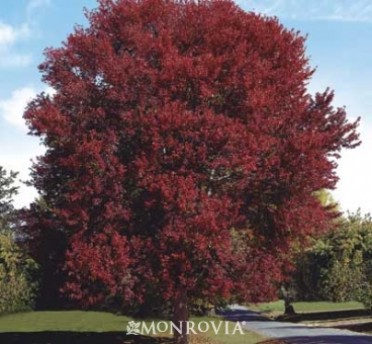
Phyllosticta Leaf Spot on Red Sunset Maple: Spring Fungicide and Fertilizer Yellow-green leaves with small brown spots on a 4-year-old red sunset maple are Phyllosticta leaf spot—a late-season fungus causing minimal dama
Sunburned Palm Recovery: Acclimation, Rainwater, and Slow-Release Fertilizer
Sunburned Palm Recovery: Acclimation, Rainwater, and Slow-Release Fertilizer A palm moved from indoors to full sun suffers sunburn (brown, crispy frond tips) just like a person. Recovery takes time; new growth indicates
Copyright © www.100flowers.win Botanic Garden All Rights Reserved