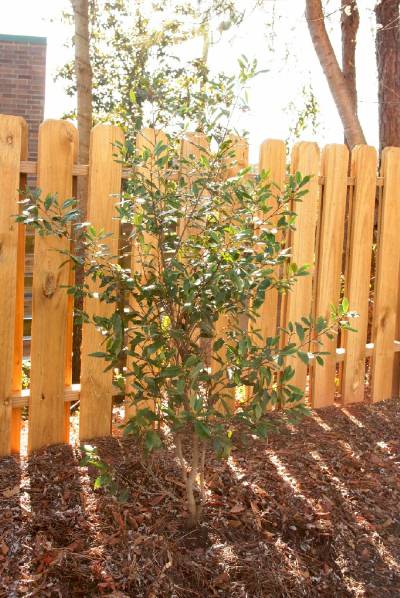

Hickory Leaf Galls: Insect Eggs Inside Leaf Tissue—No Treatment Needed
What Are the Green Balls? Small green balls on hickory leaves with whitish/orange insects inside are leaf galls caused by gall-making insects (midges, wasps, or aphids). The tree walls off the eggs/larvae in plant tissue

Tree Root Oozing Sweet Liquid: Bacterial Wetwood (Slime Flux)
Diagnosing the Ooze Yellow, sweet-smelling, bubbling liquid from a root wound with gnats swarming is classic bacterial wetwood (slime flux). Bacteria ferment sap inside the tree, producing gas pressure that forces frothy
Ginkgo Leaf Curl After Wet Spring: Temporary Stress Response
Understanding the Symptom Ginkgo leaves curled like fists in June after a very wet spring indicate waterlogged soil stress. Excess water displaces soil oxygen, causing root dysfunction—symptoms mimic drought (wilting, cu
Plum Tree "Ghost Leaves": Diagnosing Browning and Bud Check
Interpreting Ghost Leaves Leaves described as brown, like an X-ray suggest severe necrosis or vascular failure—not mildew. The tissue is dead, but the tree may still be alive. Critical Check: Look for Live Buds Examine
Snowball Bush (Viburnum) Leaf Beetle Damage: Organic Control
Identifying the Culprit Brown, lacy leaves on snowball viburnum each year point to viburnum leaf beetle (Pyrrhalta viburni). Larvae skeletonize leaves in spring; adults chew holes in summer. Repeated defoliation weakens
Oak Tree Weeping Sap: Borer Infestation and Treatment
Diagnosing the Weeping Fluid oozing from a trunk hole in a Texas live oak with woodpecker holes and ants indicates oak borer activity—likely red oak borer or carpenterworm. The sap is trees response to tunneling; ants fe
Peach Tree Gummy Fruit: Mystery Exudate and Organic Boost
Unusual Symptom: Clear Gum on Fruit Clear gummy material on peaches that turns green when squeezed and is hard to wash off is not a common documented disorder. Typical gummosis occurs on trunks/branches from borers, cank
Paper Birch Decline: Testing for Life and Making the Call
Assessing Tree Viability A 20–25-year-old paper birch with no leaves, no buds, and prior sparseness is likely dead. Birches are short-lived (30–50 years) and stress-sensitive. Simple Life Tests Scratch test: Scrape bar
Elm Pocket Galls: Mite-Caused Leaf Deformities and Why to Ignore Them
What Youre Seeing The green-to-reddish, elongated pouches on elm leaves are elm pocket galls caused by the eriophyid mite Aceria ulmi. Mites inject saliva while feeding, triggering abnormal cell growth that forms protect
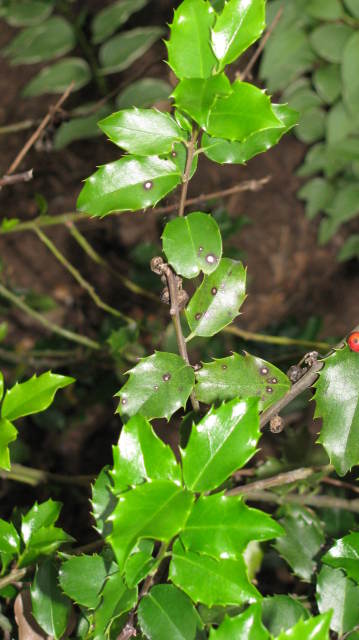
Blue Princess Holly Leaf Spot: Fungal Rings and Natural Leaf Drop
Understanding the Symptoms Perfectly circular spots with white centers and black borders on holly leaves, followed by browning and drop, indicate a fungal leaf spot (likely Phacidium or Coniothyrium). The distinct rings
Bartlett Pear Webbing: Spider Mites or Mildew? Organic Solutions
Diagnosing the Webbing Fine webbing on pear leaves with leaf drop suggests spider mites, not powdery mildew (which looks like white dust). Mites spin silk; mildew does not. Ants may farm honeydew from aphids, but webbing
Zucchini Powdery Mildew: Identification and Milk Spray Treatment
Confirming Powdery Mildew White spots on zucchini leaves after rainy, warm weather are classic powdery mildew—a fungal disease (Podosphaera xanthii). It thrives in humidity with moderate temps, not soaking rain. Eco-Fri
Azalea Purple Leaves: Phosphorus Deficiency and Correction
Diagnosis: Phosphorus Deficiency Purple or reddish discoloration on azalea leaves—especially older, upper foliage—is a classic sign of phosphorus (P) deficiency. Cold, wet soils in spring reduce P uptake, even if soil le
Kilmarnock Willow Scab and Canker: Pruning and Cultural Control
Identifying the Disease Orange powder on leaves that crinkle and die on a 2-year-old Kilmarnock (weeping) willow matches willow scab (Venturia saliciperda) and possibly black canker (Glomerella miyabeana). Scab hits earl
Vine Maple Lichen and Leaf Spots: Separating Cosmetic from Serious
Lichen on Bark: Harmless Epiphyte The moss on your vine maple trunks is lichen—a fungus-alga partnership. It: Does not parasitize the tree. Indicates clean air and good light exposure. Thrives on thin canopies (more sun
Birch Leaf Galls: Mite-Induced Growths and Why Not to Worry
What Are These Growths? The strange bumps on birch leaves are galls caused by eriophyid mites feeding or laying eggs. The mite secretes chemicals that hijack plant hormones, causing leaf tissue to swell around them—formi
Granny Smith Apple Tree Leaf Curl and Fruit Withering: Disease Management
Diagnosing the Symptoms A 4-year-old apple tree with curling, browning leaves and withering fruit in midsummer suggests apple leaf curl (caused by Taphrina deformans or similar fungus) or fire blight (bacterial). The rap
Mock Orange Leaf Curl and Black Specks: Insect Larvae and Organic Control
Identifying the Problem Clusters of tiny black specks on mock orange leaves and stems with leaf curling are insect eggs or newly hatched larvae—likely from sawflies, leafrollers, or other moths. The specks are eggs or ea
Ligustrum Decline: Freeze Damage, Sooty Mold, and Recovery
Diagnosing the Symptoms A 20-year-old ligustrum with vertical bark cracks, dead limbs, and a non-rubbing black base area suggests two issues: Freeze damage: Hard freezes cause bark to split and crack as water in tissues
Aloe Vera Care: Watering, Repotting, and Red Tip Causes
Watering Schedule Aloe vera is a succulent—water deeply but infrequently. In typical indoor conditions: Every 2–3 weeks in growing season (spring–fall). Monthly or less in winter. Let soil dry completely between waterin
Copyright © www.100flowers.win Botanic Garden All Rights Reserved