


Leaf Discoloration on Coco-Plum: Organic Recovery with Atomic Grow
Leaf Discoloration on Coco-Plum: Organic Recovery with Atomic Grow Coco-plum leaves fading to white on top with dark brown/black spots underneath suggest nutrient imbalance or early fungal infection. The bushes otherwise

Spittlebugs on Virginia Pine: Foam, Insects, and Control Options
Spittlebugs on Virginia Pine: Foam, Insects, and Control Options White, foamy masses on Virginia pine trunks up to 7 feet high are the protective spittle of spittlebug nymphs. The nymphs feed on sap, and heavy infestatio
Organic Approach to Weeping Willow Canker: Atomic Grow
Organic Approach to Weeping Willow Canker: Atomic Grow After extensive pruning of black cankers, soil replacement, and Bordeaux/fungicide treatment, new cankers still appear on a weeping willow. Conventional chemicals of
Red Bumps on One Maple Only: Insect Galls, Not Disease
Red Bumps on One Maple Only: Insect Galls, Not Disease Raised red bumps on the undersides of leaves on a single maple, while a nearby oak and another maple are unaffected, are almost certainly insect galls (e.g., maple b
Single-Branch Decline in Yaupon Holly: Prune and Water
Single-Branch Decline in Yaupon Holly: Prune and Water When one of two yaupon holly branches yellows and defoliates while the other thrives, the cause is usually localized: a root injury, girdling root, canker, or borer
Persistent Borers in Pittosporum: Consult an Entomologist
Persistent Borers in Pittosporum: Consult an Entomologist When trunk-applied insecticides (e.g., Rogor) fail to control borers in pittosporum after three months, the issue may be timing, product choice, or borer species
Maple Bladder Galls: Cosmetic Insect Damage on Autumn Blaze Maple
Maple Bladder Galls: Cosmetic Insect Damage on Autumn Blaze Maple Tiny, raised red spots (1/16 inch) clustered at the leaf base and along veins on Autumn Blaze maple are bladder galls caused by eriophyid mites. The mites
Red Leaf Blotches on Chanticleer Pear: Getting an Accurate Diagnosis
Red Leaf Blotches on Chanticleer Pear: Getting an Accurate Diagnosis Annual red blotches on Chanticleer pear leaves that resist copper sprays may be pear scab, fabraea leaf spot, or insect-related damage—not fire blight
White Spots on Maple Trunks: Harmless Lichens vs. Fungal Leaf Loss
White Spots on Maple Trunks: Harmless Lichens vs. Fungal Leaf Loss Gray-green, crusty spots on maple bark are lichens—symbiotic organisms that are harmless and indicate clean air. They do not cause leaf loss. Premature d
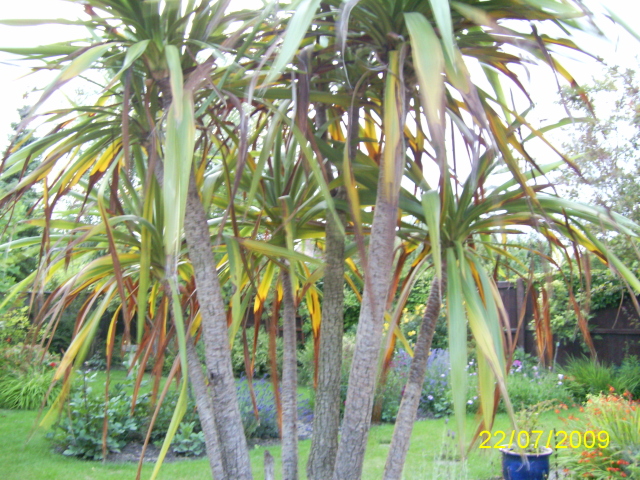
Leaf Loss on Mature Yuccas: Investigating Environmental Stress
Leaf Loss on Mature Yuccas: Investigating Environmental Stress Established yuccas suddenly losing lower leaves on all branches often indicate a root-zone stressor: sudden temperature extremes, herbicide drift, constructi
Reviving Droopy Yucca: Pruning and Support
Reviving Droopy Yucca: Pruning and Support A rescued yucca with multiple leaning branches and green but drooping leaves is suffering from top-heavy growth on weakened stems after prolonged neglect. The stems have lost ri
Borer Holes and Gray Insects on Bradford Pear: Diagnosis and Action
Borer Holes and Gray Insects on Bradford Pear: Diagnosis and Action Rows of 1/8-inch holes encircling a Bradford pear trunk, with gray insects emerging and blackened bark below, indicate borer activity. The black coating
Red Drops on Philodendron: Root Rot from Poor Drainage
Red Drops on Philodendron: Root Rot from Poor Drainage Mysterious blood-red drops on the carpet beneath a philodendron are typically spores or exudate from a root rot pathogen (often Phytophthora or Pythium) encouraged b
Fungal Diseases on Tulips, Lilies, and Peonies After Wet Summers
Fungal Diseases on Tulips, Lilies, and Peonies After Wet Summers Cool, rainy summers promote fungal diseases: rust on oriental lilies (orange pustules on leaf undersides), black spot on peonies, and distorted, white-spot
Storm Damage and Decay in Kanzan Cherry: Long-Term Outlook
Storm Damage and Decay in Kanzan Cherry: Long-Term Outlook After a storm splits a branch, revealing white, spongy material in old pruning wounds, internal decay is likely present. Wood-decay fungi enter through wounds an
Webbing and Black Eggs on Rosemary: Insect Identification Needed
Webbing and Black Eggs on Rosemary: Insect Identification Needed Fine webbing and tiny black eggs on rosemary suggest spider mites or a small caterpillar/pest complex. The black specks may be frass (insect droppings) rat
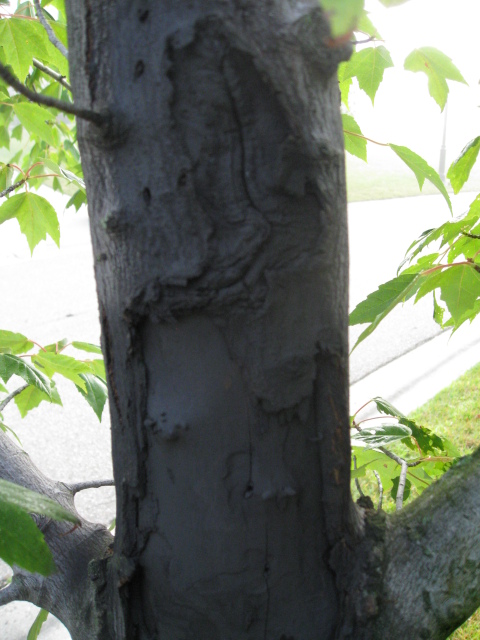
Borer Control in Sunset Maple: Insecticides and Tree Vigor
Borer Control in Sunset Maple: Insecticides and Tree Vigor Bark splitting with symmetrical round holes on a sunset maple indicates borer infestation. Borers target stressed trees, so improving vigor is as important as in
Sudden Wisteria Collapse: Chemical Damage vs. Disease
Sudden Wisteria Collapse: Chemical Damage vs. Disease When a healthy wisteria collapses overnight—leaves curling, drying, and dropping—an infectious disease is unlikely. The timeline suggests acute physical or chemical t
Black Canker on Weeping Willow: Pruning Over Costly Treatments
Black Canker on Weeping Willow: Pruning Over Costly Treatments Black canker on weeping willows causes branch tips to blacken and die. While tree companies may propose expensive spray programs, chemical treatments are lar
Sap Bleeding on Yoshino Cherry: Wound Care and Borer Prevention
Sap Bleeding on Yoshino Cherry: Wound Care and Borer Prevention Gummy sap oozing from a cherry tree trunk—often from a string-trimmer wound—is the trees natural response to injury. The sap itself is not harmful, but it a
Copyright © www.100flowers.win Botanic Garden All Rights Reserved