


Diagnosing Spider Mites on Majesty Palms: Indoor Care Challenges
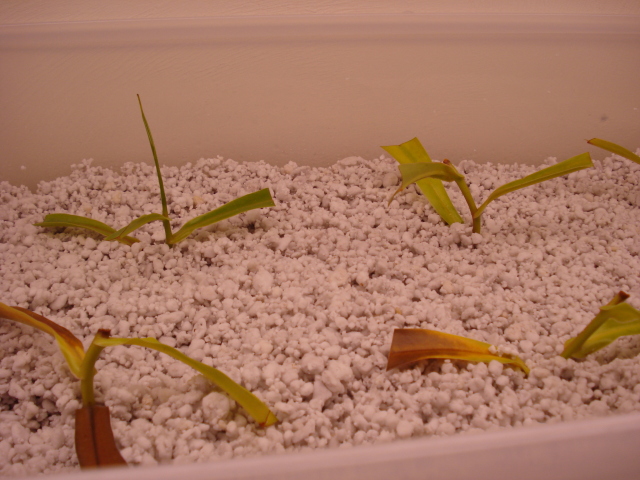
Symptoms Webbing and tiny red dots indicate spider mites, common on stressed indoor palms. Cultural Causes Majesty palms are poor indoor plants. Leaf drop often stems from insufficient light, overwatering, or sudden loca

Daytime Garden Raids by Groundhogs, Deer, and Opossums: Legal and Practical Solutions
Groundhogs Diurnal and easily live‑trapped or shot (where legal). Deer Shooting deer usually requires a state permit; illegal without one. Opossums & Nocturnal Pests If damage occurs at night, electronic deterrents (see
Persistent Mole Invasion: Eliminate Grubs and Master Trapping Techniques
Two‑Pronged Approach Moles are crafty; trapping alone may not suffice if food is abundant. Combine grub elimination with expert trapping. Grub Control Apply Milky Spore (long‑lasting bacterial control) or Grubex to reduc
When Deer Are Fed by Neighbors, No Plant Is Truly Deer-Resistant
The Core Problem Neighbors feeding deer creates an artificially high, habituated population that ignores natural foraging instincts. Deer will sample almost any plant when pressure is high. Only Reliable Barrier An 8‑foo
Stopping Squirrels from Eating Sunflower Heads: Barriers and Trapping
Repellent Sprays Cayenne pepper, fox urine, and garlic sprays work but must be reapplied after every rain—impractical for large gardens. Physical Barriers Floating row covers (Reemay) or wire mesh cages exclude squirrels
Live Trapping Groundhogs: Bait with Apples and Protect Your Garden
Why Fencing Often Fails Groundhogs climb over and dig under fences. A cage live trap is more reliable. Trapping Protocol Bait with half an apple. Wrap trap sides, top, and bottom with newspaper. Set at dusk; close at ni
Protecting Lilies from Deer: Fencing, Netting, and Repellent Options
Deer Love Lily Blooms Deer readily eat flower heads, leaving only stalks. For a 10×10 ft bed, install a fence at least 8 ft tall or cover with sturdy mesh netting. Repellents and Deterrents Spray‑on repellents (putrescen
Organic Insect Control for Farms: Consult State Agriculture Department
Complexity of Organic Insect Management Insect control in organic systems is highly site‑specific. Methods that work in one region/crop may fail elsewhere. The state agriculture department or university extension service
Organic Pest Management for Certified Produce: Non-Chemical Strategies
Allowed Techniques Certified organic production prohibits synthetic pesticides. Effective non‑chemical methods include: Habitat modification: Remove weed hosts, improve sanitation. Scare devices: Visual and auditory det
Comprehensive Control Strategies for Ground Squirrels, Moles, and Gophers
Ground Squirrels Reduce food sources (bird feeders, fallen fruit). Trap using gray squirrel trapping guide. On isolated trees, install aluminum flashing or porcupine wire around trunks to prevent climbing. Ultrasonics an
Identifying Your Burrowing Pest: Pocket Gophers, Voles, Moles, or Groundhogs?
“Gopher” Means Different Animals Regionally Before choosing a control method, determine which species you have: Pocket gophers: Plant eaters, create soil mounds with plugged holes. Trap with cinch traps. Video guide. Vo
Why Ultrasonic Rodent Repellers Don't Work for Vole Control
No Scientific Evidence Studies show ultrasonic devices do not control wildlife damage. Most rodents cannot hear ultrasonic frequencies, and even the Humane Society cautions against their use. Proven Alternative: Trapping
Saving Petunias from Aphids and Caterpillars: Early Intervention Is Key
Assessing the Damage Hollow stems indicate advanced infestation; the plants may be beyond saving. Cutting them back to 3 inches might stimulate a late flush of blooms in about four weeks. Effective Insecticides Powdered
Eliminating Lingering Skunk Odor with Vinegar and Preventing Future Visits
Neutralize the Smell Spray full‑strength vinegar on affected areas with a pump sprayer. Vinegar kills grass tops but not roots, so vegetation recovers. Rinse the sprayer immediately to prevent corrosion. Deter Future Sku
Controlling Sooty Mold on Tulip Trees by Managing Aphids
Cause of Sooty Mold The black, soot‑like coating is a fungus growing on honeydew excreted by aphids feeding on leaves and twigs. Control Strategy Kill the aphids, and the mold will weather away. For large trees, a system
Trapping Is the Only Reliable Way to Stop Groundhogs and Skunks in Vegetable Gardens
Why Fencing Isn’t an Option If local regulations prohibit fencing, live trapping is the most effective alternative. Repellents, ultrasonic devices, and visual/audible deterrents have no scientific backing and waste time.
Black Knot Disease on Chokecherry Trees: Prune and Replace
Diagnosis The black, corky growth on the branch is black knot, a fungal disease that will eventually kill the tree if unchecked. Immediate Action Prune the infected branch well below the knot and destroy it (burn or bag)
Organic Control of Squash Bugs on Pumpkins and Squash
Identifying the Pest The powder‑gray bugs that turn brown are squash bugs (stink bugs). Eggs are laid on leaf undersides in late spring; nymphs hatch and mature into the adults you see. Organic Management Hand‑picking:
Managing Borers in Crabapple Trees and Aphids on White Pines
Crabapple Borers The entry hole with sawdust‑like frass indicates a borer. Duct tape and Vaseline are unlikely to suffocate the larva. Spray the trunk with a borer‑specific insecticide (available at garden centers) so th
Identifying Mysterious Nighttime Animal Sounds in Rural Connecticut
Likely Culprits: Owls or Bobcats The loud, jarring honk‑screech heard between 1–5 AM in wooded Connecticut is typical of owls (especially barred or great horned owls) or bobcats. Both have extensive, eerie vocal repertoi
Copyright © www.100flowers.win Botanic Garden All Rights Reserved