Plaster Bagworms on Garage Walls: Harmless Spider Web Eaters
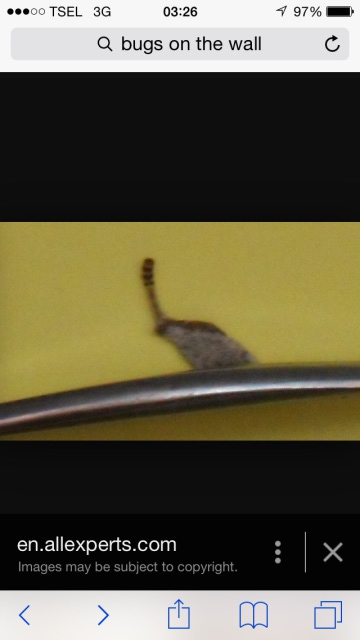
The small, case-bearing larvae on your garage walls are plaster bagworms (Phereoeca uterella), also called household case bearers. They build flat, spindle-shaped silk cases decorated with debris and drag them as they cr


Sawdust Threads on Oak Tree: Wood Borers or Caterpillar Frass—Diagnosis Steps
Sawdust-like material (frass) reappearing at the base of a mature oak with a dead trunk suggests two possibilities: 1. Caterpillars (Most Likely If Foliage Shows Damage) Check canopy with binoculars: holes, skeletonize
Black Sesame Seed-Shaped Casing Near Baseboard: Dead Carpet Beetle, Not Bed Bug
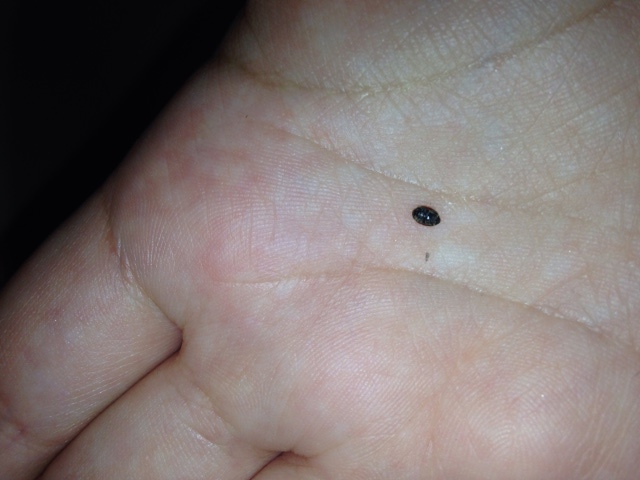
The object—sesame seed size, brittle, no legs/antennae—is a dead adult carpet beetle (Dermestidae) with legs retracted. Common species: varied carpet beetle, black carpet beetle, furniture carpet beetle. Why Its Not a B
Mystery Skin Lesions: Not Insect Bites—Consider Allergic Reaction or Mold
The description—large, red, raised white center hardening to a conical purple lesion, some weeping, mild itch but burning/muscle aches/systemic illness, widely spaced, slow development, no captured biter, multiple doctor
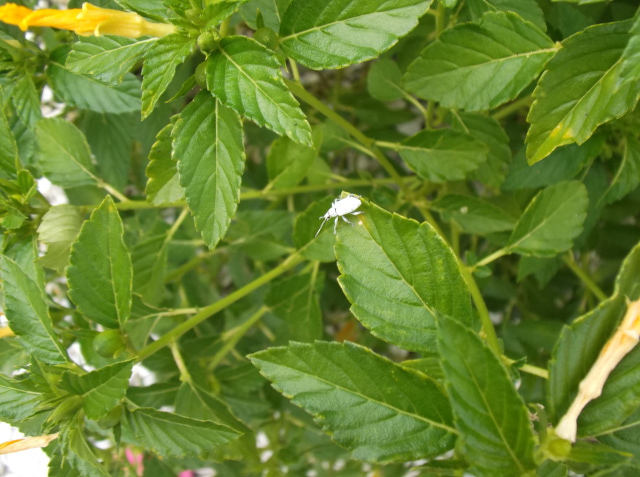
Pests on Buttercup (Ranunculus): Beetle and Leaf-Footed Bug Identified
Two distinct insects on your buttercup plants: 1. White Beetles (Photo 1) Likely a root weevil (Otiorhynchus spp.) adult—nocturnal, notch leaves, larvae feed on roots. Species ID needs a clearer photo or specimen. Check
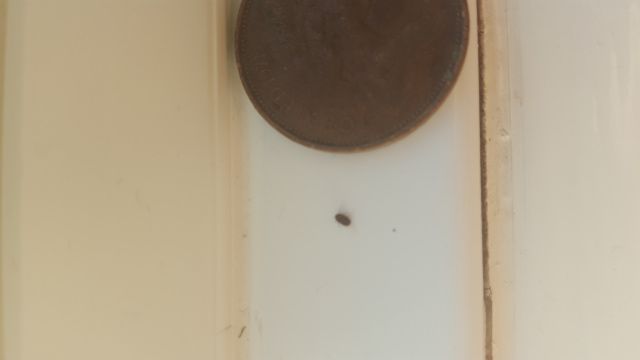
Flying Beetles on Windowsills: Cigarette or Drugstore Beetles from Stored Food
The insects—small, brown, flying, accumulating on white windowsills and laundry room floor—are cigarette beetles (Lasioderma serricorne) or drugstore beetles (Stegobium paniceum). Both are 2–3 mm, humpbacked, and fly to
Mold Mites in a Cold, Damp Scottish Home: Managing Humidity and Anxiety
The moving dust specks on surfaces, in cupboards, on electronics—worse in a cold, single-glazed, condensation-prone house—are mold mites (Tyrophagus spp.)60% RH. Reality Check They are harmless. No bites, no disease, n
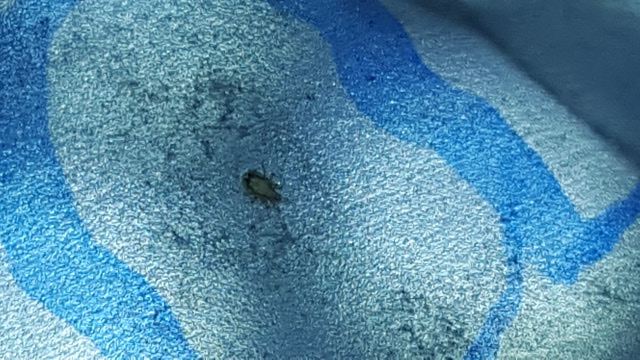
Mysterious Biting Bugs in Bedroom: Likely Bird/Rodent Mites from a Nearby Nest
The progression—initial psocid ID, then a fourth pair of legs visible on a later specimen, bites at night, association with an indoor/outdoor cat—points to bird or rodent mites (e.g., northern fowl mite, tropical rat mit
Mosquito Control in Rain Barrels: Safe Bti Treatment for Garden Use
Even with a screen, mosquitoes lay eggs in rain barrels. The safe, effective solution is Bti (Bacillus thuringiensis israelensis)—a bacterial larvicide specific to mosquitoes, blackflies, and fungus gnats. How to Use B
Black Spots on Ohio Siding: Likely Artillery Fungus or Insect Frass—Need Photo
Small (1/16), hard-to-remove black spots on white siding in north-central Ohio are commonly: Artillery fungus (Sphaerobolus) — shoots sticky black spores from mulch onto siding. Spores are tar-like, very difficult to r
Psocids (Booklice) in a UK Kitchen: Harmless, Moisture-Related, Manageable
Psocids (booklice) are tiny (1–2 mm), pale, soft-bodied insects common in damp, humid kitchens. They feed on microscopic mold, starch paste, and food residues. They do not bite, transmit disease, or damage structures. W
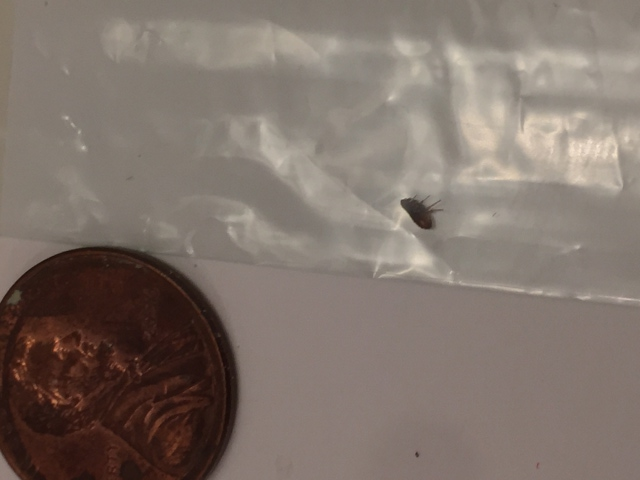
Identifying Large Flea-Like Insects on Pets and People
Identifying Large Flea-Like Insects on Pets and People A homeowner finds large, slow-moving bugs on their dogs and children. The insects are 3x the size of a flea, brownish-black, laterally compressed, shiny, with no vis
How Long Can Fleas Survive Without a Host in a Vacant Cottage?
Adult fleas can survive weeks to months without a blood meal, depending on temperature and humidity. Cooler, humid conditions extend survival; hot, dry conditions shorten it. At typical indoor temperatures (60–70°F), unf
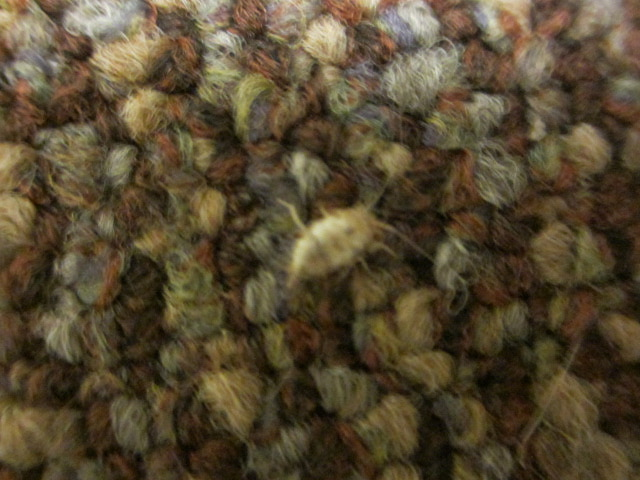
Small White/Gray Insects in a Dorm Room: Likely Cockroach Nymphs
The photos are too blurry for certainty, but the description—2 cm (but appearing smaller), translucent white to gray/tan, faint stripes, small legs/antennae, scurrying on carpet—strongly suggests German cockroach nymphs
Leaf-Footed Bug Indoors: Harmless Fall Invader, No Control Needed
The insect is a leaf-footed bug (Coreidae)—likely Leptoglossus spp. Recognizable by the flared, leaf-like expansion on the hind tibiae. They are plant-feeders (seeds, fruits) and do not bite, sting, or reproduce indoors.
Flea-Like Bites Without Pets: Likely Wild Animal Fleas from a Hidden Nest
The photos confirm fleas, but their size and the absence of pets suggest a wildlife-associated species (e.g., squirrel flea, rat flea, bird flea)—not cat/dog fleas. Fleas are host-specific; finding a non-pet species indo
Small Beetles on Clothing: Sawtoothed Grain Beetles, Not Clothing Pests
The insect in the photo is a sawtoothed grain beetle (Oryzaephilus surinamensis) or a close relative (merchant grain beetle). They are 2.5–3 mm, brown, flattened, with six saw-like teeth on each side of the thorax. Key
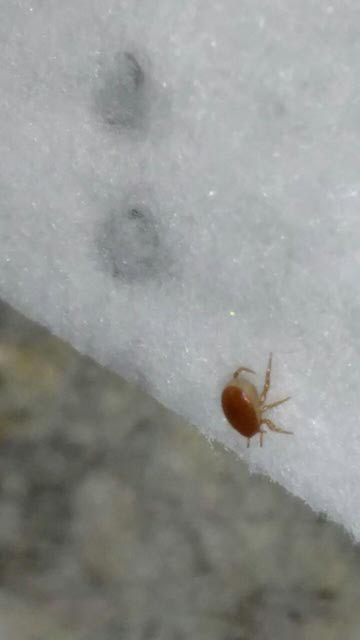
Tiny Rust-Brown Bugs in an Irish Home: Likely Mites, Not Ticks—Next Steps
The progression—initial ID as tick nymphs, then discovery of smaller, lighter, translucent specimens with six legs and long antennae—strongly suggests mites (Acari), not ticks. Tick larvae have six legs but lack long ant
Identifying Small Beetles in the Home: Not Bed Bugs, Likely Grain Weevils
The insects in the photos are weevils (Curculionidae)—specifically, a grain-infesting species like the rice weevil, granary weevil, or maize weevil. Key ID traits: elongated snout, pitted elytra, reddish-brown to black,
Unidentified Mite-Like Organism on Eggplant: Expert Identification Steps
The description—amber-white, egg-shaped bodies with long slender legs (5–8), immobile, stacked on leaf undersides, some developing eyes and body after a week—does not match common spider mites, broad mites, or cyclamen m
Copyright © www.100flowers.win Botanic Garden All Rights Reserved