
New Iowa Lawn in November: Cancel the Winterizer, Topdress Compost
Iowa (Waverly, 50677) homeowner seeded new lawn month ago. Grass 2–2.5″. Winter coming. Bought Scotts Winter Guard (22-2-14). Return it? Yes. Return it. Winterizer pushes blade growth in cold → fungus magnet (necrotic

Autumn Lawn Rescue Under a Maple: Soil Test First, Then Maple Leaf Magic
New homeowner, SW Ontario (Cambridge), maple tree roots + hard soil + leaf cover. Wants autumn action for spring success. Step 1: Soil test. Non-negotiable. Reveals what you *dont* need to buy. Saves money. Zip code → l
Black Lawn Mold (Stripe Smut): Don't Fungicide—Fix the Culture
Neighbor (lawn pro) says black mold = lime cure. Homeowner has dogs, wants safe fix. ID: Likely *Ustilago striiformis* — Stripe Smut. Cool-weather disease (spring/fall). Yellow streaks → gray blades → black spore explos
November Fertilizing in Virginia: Skip It—Feed the Soil, Not the Bag
Virginia homeowner overseeded, aerated, fertilized (Scotts Starter 20-27-5) <1 month ago. Asks about more fertilizer in November. Hard no. Grass entering dormancy. Fertilizer pushes tender growth → winter kill, fungal d
Orange Rust Spores on Grass: Safe for Kids and Pets
Parent asks: orange dust (rust fungus) on grass—keep kids off if it returns? Answer: No. Rust spores are ubiquitous, microscopic, orange-colored. Not toxic. Kids playing on grass = normal exposure. Only risk: if they *e
Creeping Charlie by a Lake: Skip Sugar, Try Physical + Cultural Control
Minnesota lakefront homeowner: neighbor uses Ferti-lome (chemical), but lake risk concerns. Asks about sugar, dry molasses, corn gluten meal for creeping Charlie. Myth busting: Sugar: No weed control. Myth. Dry molasse
Late Fall Lawn Care in Southwest Ontario: Prep Now, Act in Spring
SW Ontario (Cambridge) homeowner, new house, neglected lawn, west-facing with large maple. Cold weather arriving. What now? Now (November): Rake leaves off grass (maple leaves = great mulch for beds, bad on turf) Final
New Construction Lawn on Clay: Topsoil Import Beats Soil Conditioning
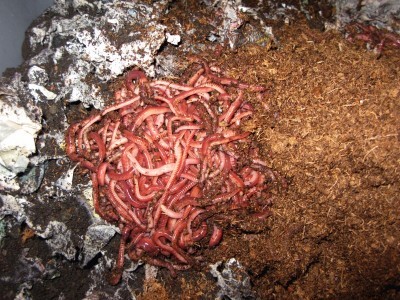
2.45 acres cleared, house built, topsoil removed/buried. Soil test: pH 5.0–5.8, low macros, clay-loam. Plan: till, lime, pine bark, 5-20-20, rye, then Zoysia. Asks about conditioners, iron/calcium, worm vermipods. Bette
Wild Strawberry Invasion: Selective Control Beats Sugar Myths
Homeowner has wild strawberries + crabgrass + violets on all 4 sides. Told to nuke and restart. Asks about sugar. Sugar: Doesnt suppress weeds. Feeds microbes → feeds grass *and* weeds equally. No selective control. Re
Deep-Dive Soil Improvement: Carbon, Phosphorus Lockup, and the Charcoal Revolution
Same Ohio homeowner (pH 7.5, OM 3.8%) gets a masterclass in soil science: organic matter = carbon, phosphorus lockup at high pH, clay as nutrient closets, biochar/charcoal for microbial habitat. Key takeaways: Organic
Soil Test Interpretation: High pH (7.5) Is the Main Issue
Southwest Ohio homeowner got soil test results: pH 7.5, OM 3.8%, CEC 18.8, Ca 79.7% saturation, Mg 18%, K 2.2%. Confused by the numbers. Plain English: pH 7.5 = too high (alkaline). Ideal: 6.0–6.5. High pH locks up P,
Sugar on Lawns: Sweet Idea, Zero Weed Control
Daytona Beach homeowner wants sugar protocol for St. Augustine: when, how much, effect on azaleas. Chemistry reality: Sucrose = C₁₂H₂₂O₁₁. Heat it → water evaporates → carbon remains. Carbon ≠ plant nutrient. Microbes l
Humic Acid Effects: It's All About the Fungi
Question: Does humic acid work better on pine rockland plants (fire-adapted, limestone soils) vs. regular plants? Expert insight (Dr. Elaine Ingham, Soil Foodweb): Humic acids = complex carbon chains, nutrient-rich, br
Ryegrass Falling Over: Mow Lower, Don't Baby It
Homeowner planted rye, waited until 3.5–4″ to mow. It flopped before and after cutting. Bad haircut look. Fix: Cut again. Lower. Rye at 3.5–4″ is leggy and weak—especially in winter. If Northern Hemisphere winter: Mow
New Lawn Not Sprouting in Australia: Check Water, Seed, Depth
Australian homeowner: seeded Monday, topsoil + fertilizer + seed. Seeds sitting on top. Week 1—no sprouts. Mulch or rake in? First: Did you water? No water = no germination. Period. Seed type matters: Rye (5–7 days), f
Science Fair Project: Which Soil Grows Grass Fastest?
Massachusetts 10th grader needs help designing a biology fair experiment: Which soil grows grass fastest? or Which soil grows [specific grass] fastest? Grass choice: Perennial ryegrass (5–7 days) or annual ryegrass (3–5
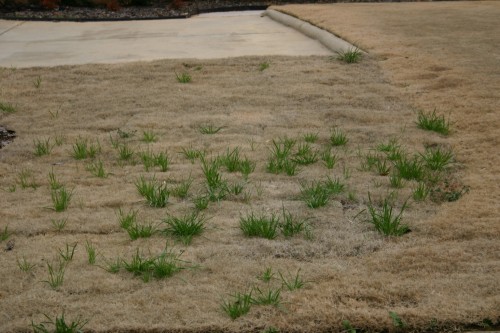
Sudden Bare Spots in Illinois Lawn: Grubs, Shade, or Moles?
Illinois homeowner: sudden bare dirt spots (no grass, no holes). Dogs supervised, dont dig. Moles? Grubs? Shade? Diagnosis checklist: Grubs: Sunny spots, dead grass pulls up like carpet (no roots), animals digging. Che
Fall Overseeding for Spring Crabgrass Control in NJ
NJ homeowner wants fall overseeding so grass sprouts in spring, allowing spring crabgrass preventer (which blocks spring seeding). Species selection: Sun: Kentucky bluegrass (slow but durable, sod-forming) Shade: Fine
Straw Mulch on New Grass Seed: When to Remove It
Homeowner seeded lawn, applied straw. 3 weeks later, grass up but thin. Keep straw or remove? Rule of thumb: Heavy cover (soil hidden): Remove. Blocks light, traps moisture → fungal risk. Light cover (~50% soil visible
Mushrooms in Basement Carpet: Moisture Problem, Not Lawn Problem
Homeowner finds mushrooms growing in carpet by basement wall. Basement floods from backyard. Immediate action: Remove carpet NOW. Mushrooms = active fungal network. Mold, spores, mycotoxins likely present. Dry thorough
Copyright © www.100flowers.win Botanic Garden All Rights Reserved