






Sugar as Soil Amendment: Does It Work for Lawns?
Adding sugar to soil (1–5 lbs/1,000 sq ft) to stimulate microbes is a popular organic myth. In central Floridas ant-heavy environment, sugar primarily attracts pests—ants, beetles, wildlife—without meaningful microbial b

Yellow New Grass Seedlings: Causes and Corrections
Yellow blades on 5-day-old seedlings indicate nitrogen deficiency, iron deficiency, or low soil pH (below 6.0). If you fertilized at seeding, pH is the likely culprit—test and apply lime to reach 6.0–7.0. If no fertiliz
Solarization for Nutsedge Control in St. Augustine/Bermuda Lawns
Nutsedge (nutgrass) resists selective herbicides in mixed St. Augustine/Bermuda lawns. Solarization—superheating moist soil under clear plastic for 6 weeks—kills everything: nutsedge, seeds, pathogens, and beneficials. I
Weed Control Before Winter Rye Overseeding on Bermuda
If crabgrass persists after two Ortho Weed-B-Gon applications, its likely too mature for selective control. MSMA-based products only work on young crabgrass. At this stage, hand-pull or spot-treat with glyphosate. Befor
Adding Lawn Mushrooms to Compost: Good or Bad Idea?
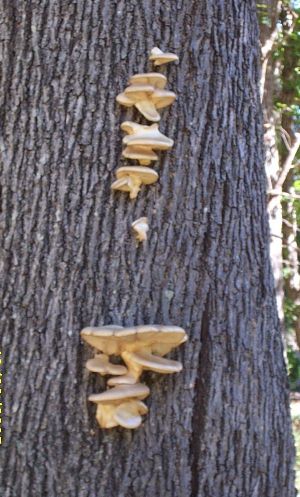
Mushrooms are fungal fruiting bodies—their mycelium breaks down lignin in wood, essential for complete compost cycling. Adding them to your pile introduces beneficial decomposers, not pathogens. The spores spread via fi
Softening Compacted Lawn Soil: Long-Term and Quick Fixes
Hard, compacted soil—especially around trees—requires long-term organic amendment. Topdress with quality compost or rich topsoil, then core aerate to incorporate it several inches deep. Earthworms will gradually integrat
Orange Peel Fungus in Lawns: Identification and Management
Orange peel fungus (Aleuria aurantia) appears in fall on heavy clay soils, often in newly graded areas. The cup-shaped, stemless fruiting bodies resemble discarded orange peels. Related to morels and truffles, its a sapr
Straw Mulch Depth for New Grass Seed
Apply straw mulch very lightly over newly seeded lawns in southern West Virginia—just enough to shade the soil while leaving 40–50% of the soil surface visible. This retains moisture, prevents erosion, and eliminates the
Neighbor Drainage Runoff Ruining Backyard Sod
When a developers stair-step grading directs runoff from a neighbors 4–5 foot higher yard into yours, sod alone wont solve the saturation. The grass yellows, roots fail, and the ground stays sloshy 3–4 inches deep. This
Diagnosing Fungal Issues in New St. Augustine Sod
Circular yellow patches with easily pulled blades, black decay at the base, mushrooms, and white crystals on blades in Orlando St. Augustine sod point to fungal disease—likely dollar spot or brown patch—fueled by excessi
Dog Damage on Sod: Grass Selection and Soil Amendment for Wet Sites
A 90-lb Lab will destroy any grass on wet, poorly drained soil in Nassau County. No grass variety withstands concentrated dog traffic on saturated ground. The solution is twofold: keep the dog off the lawn, and fix the s
Winter Irrigation and Heavy Equipment Damage on Cemetery Lawns
Watering deeply before a hard freeze, then driving heavy equipment over saturated soil, destroys turf. Grass crowns—the critical growing points at soil level—shatter when frozen leaf tissue is compressed. The result: dee
Mowing Low to Prevent Weed Seeds: Why It Doesn't Work
Cutting grass short in fall to prevent weeds from going to seed is ineffective. Your soil already contains thousands of viable weed seeds per square foot—natures seed bank. Preventing a few new seeds from dropping makes
Seeding After Lime Application: Timing and Soil Prep
Lime takes years to significantly alter soil pH—moving it roughly one inch per year. If you limed in mid-October in Babylon, NY, dont wait to seed. Apply topsoil where crabgrass was removed, then seed immediately. Lime w
Controlling Ground Ivy (Creeping Charlie) in Kentucky Bluegrass
Ground ivy (Glechoma hederacea) spreads via stolons and releases allelochemicals that can suppress surrounding plants. In Detroits Kentucky bluegrass lawns, its a persistent invader that thrives in shade and moist condit
Fall Sod Installation: Timing and Tips for Success
Fall is an excellent time to lay sod in New York—cool air temperatures and warm soil promote rapid root establishment. You can install sod up until a hard freeze, typically a month or more after the first frost. Dont cu
Why Weeds Invade Lawns and How to Prevent Them Naturally
Weeds dont invade because you lack herbicide—they invade because soil conditions favor them over grass. Most broadleaf weeds thrive in acidic, compacted, low-fertility soils. Cool-season grasses prefer slightly acidic pH
Going Organic with a New Sod Lawn: Realistic Expectations
Transitioning to organic lawn care is admirable, but requires a mindset shift. Organic doesnt mean miracle cures for every problem—it means building soil health so grass can withstand stress naturally. For a 3-month-old
Weed Control in Rock Landscaping Without Landscape Fabric
A rock yard without landscape fabric underneath becomes a weed magnet. Once weeds establish, options are limited. Spot-treating with glyphosate (Roundup) works but leaves dead residue among rocks. Hand-pulling disturbs t
Managing Bermuda Grass Invasion in Tall Fescue Lawns
Bermuda grass creeping into a tall fescue lawn in Georgia is a classic warm-season vs. cool-season conflict. Bermuda turns brown in winter, looks thin and straggly, and spreads aggressively via rhizomes and stolons. Sol
Copyright © www.100flowers.win Botanic Garden All Rights Reserved