

Diagnosing and Repairing Lawn Dead Spots
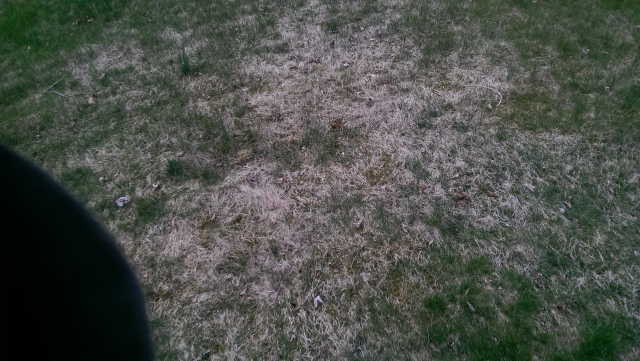
Lawn dead spot Dead patches can stem from cultural issues, insects, chemical spills, or disease. Here’s a systematic approach: 1. Identify the Cause Cultural: Over/under-watering, scalping, compaction. Insects: Perform


Accidental Preen (Dithiopyr) in the Vegetable Garden: What Now?
You applied Preen Southern Weed Preventer (active ingredient: dithiopyr 0.27%) to your vegetable beds, and now you’re told you can’t harvest for a year. Can activated charcoal neutralize it? Opinions vary, but the label
Identifying Your St. Augustine Variety and Watering Needs
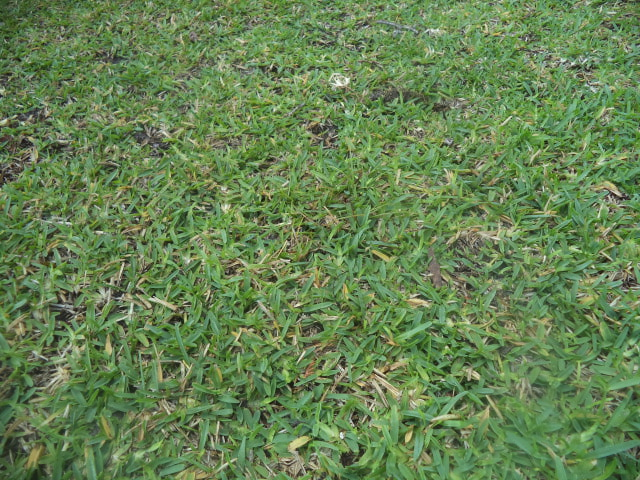
Grass sampleGrass close-up It’s nearly impossible to pinpoint the exact St. Augustine cultivar from photos alone. For a definitive ID, dig a large plug from each area and take it to a reputable nursery or your County Ext
Why Your Mulching Mower Leaves Clumps and How to Fix It
You’ve got a 1.5-acre lawn, a Toro LX420 with a 42-inch deck, and a beautiful, thick stand of grass thanks to a wet spring and extra fertilization. The problem? Every pass leaves a trail of mulched clippings, forcing you
Does Lime Permanently Stop Plants from Growing?
Many gardeners worry that applying lime to their yard will create a barren wasteland where nothing—flowers, vegetables, or even weeds—will ever grow again. The short answer: that simply won’t happen. What Lime Actually D
Hot Weather Lawn Watering and Weed Control Near Rhododendrons
Reading Grass Moisture Signals Grass blades indicate water status: Open, flat: Adequate moisture Folded/rolled: Moisture stress (normal midday, should recover evening) Watering Depth and Frequency Wet top 6 inches of
Weed Control Timing in St. Augustine Grass
Why Six-Week Intervals Fail Many weeds complete germination-to-seed cycles in under six weeks. By the time your service returns, new weeds have emerged and matured. Improved Management Strategy Monthly applications bet
Diagnosing Lawn Damage: Grubs vs. Fungus in Chicago
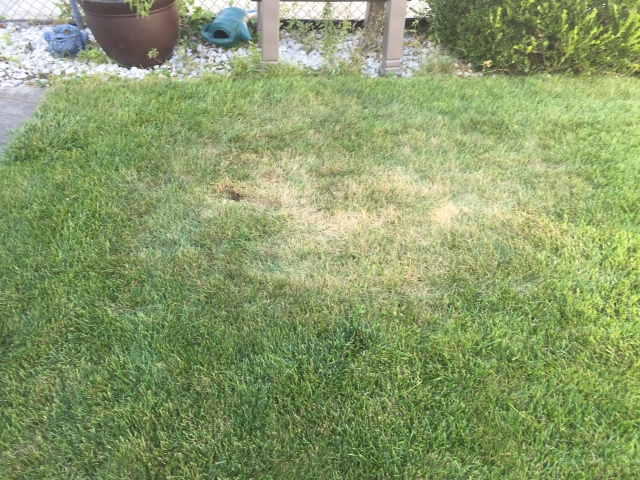
Interpreting Symptoms A 3-inch hole with surrounding yellowing grass that pulls up easily suggests two possibilities: Grub Damage Turf rolls up like carpet (roots severed) Drought stress symptoms despite adequate water
Dog-Proof Lawn Strategies for North Carolina
Managing Doberman Traffic Damage No grass withstands concentrated, repetitive running by a large dog. The practical solution: rotational confinement. Stake-Out Rotation System Install a 20-ft cable stake in one yard se
Understanding Nitrogen Fertilizers: Urea and Beyond
The Nitrogen Fundamentals All fertilizers display three numbers (N-P-K) by law. Nitrogen (first number) drives green color and vegetative growth—essential for plant food production and crop yields. Urea Characteristics
Moss Control in Pennsylvania Lawns
Why Moss Invades Lawns Moss thrives where grass struggles: shade, moisture, compacted soil, low fertility, or acidic pH. In western Pennsylvania, cloud cover and moisture create ideal moss conditions. Integrated Moss Ma
Red Thread Disease in Louisiana Lawns
Understanding Red Thread Red thread is a fungal disease (Laetisaria fuciformis) causing reddish-pink threads on grass blades, typically appearing during cool, wet periods. It indicates turf stress—often from inadequate n
Identifying and Promoting Mysterious Lawn Grass in Tennessee
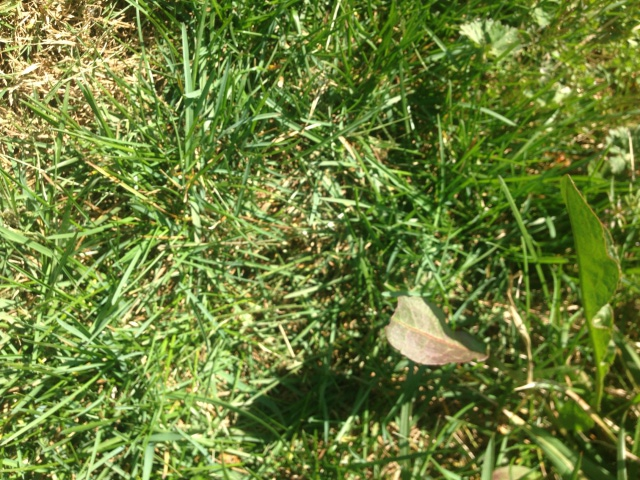
Grass vs. Sedge Identification Your clumping, cold-tolerant grass that stays green through mild winters could be a true grass or a sedge. Key difference: grass stems are round in cross-section; sedge stems are triangular
Seasonal Lawn Care Plan for Challenging Cincinnati Yard
Why Local Expertise Is Essential Your situation—high-traffic full-sun front yard, shaded sloped backyard in Cincinnati—requires region-specific guidance. Soil types, climate patterns, grass varieties, and pest pressures
Timing Sod Installation After Pre-Emergent Herbicide Application
Critical Information Needed The only reliable answer comes from the lawn care company that applied the products. Request: Exact product names and active ingredients Application rates and dates Label-specified waiting pe
Hydroseeding Mystery Material and Shrub Fertilization
Identifying the Green Spray Material The green powder-like paste applied to your neighbors lawn is likely a hydroseeding slurry—a mixture of seed, mulch, fertilizer, and tackifier sprayed as a liquid. Without direct expe
Sod Installation on Compacted Soil: Recovery Strategies
Assessing Your Sod Installation You installed 1,000 sq ft of Kentucky bluegrass sod in New Jersey without aerating or rototilling the existing soil. While commercial operators often scalp and lay sod directly, the yellow
Professional Standards for Lawn and Landscape Maintenance
Four Pillars of Landscape Contractor Excellence Whether operating in North Shore Sydney or as a solo practitioner, successful lawn and landscape contractors consistently meet these standards: 1. Formal Education and Cer
Weed Control in New Hydroseeded Lawns
Critical First Steps for New Lawn Weed Management Before applying any herbicide to a 2-month-old hydroseeded lawn in Amherst, NY, two identifications are essential: Grass species: Check original packaging or ask the co
Managing Clover Invasion in Kentucky Lawns
Understanding Clover Takeover Clover dominance in lawns is a common challenge, especially in Kentuckys climate. Rather than fighting nature, consider working with your lawns ecology. Clover thrives where grass struggles—
Copyright © www.100flowers.win Botanic Garden All Rights Reserved