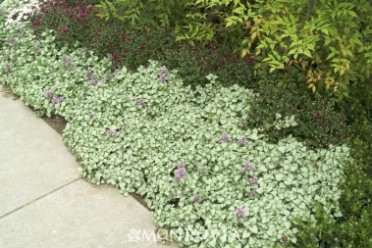

Green Stripes on Yellow Squash: Normal Maturation
No Worry—Stripes Disappear as Squash Ripens Certain yellow squash varieties (like butternut) naturally develop green stripes during maturation. Process Stripes fade as fruit ripens. When completely gone, squash is harve

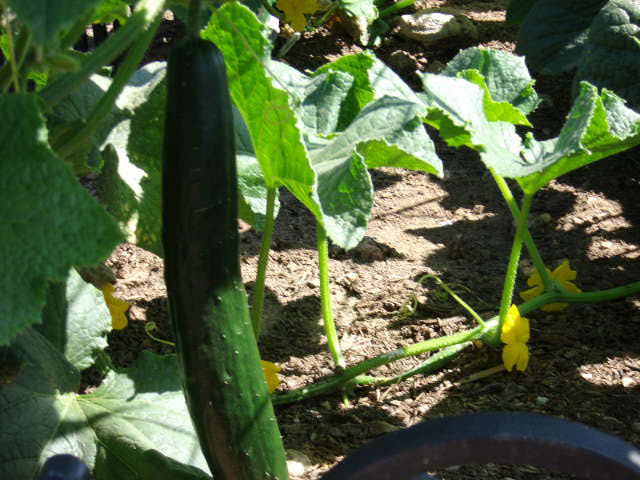
Cucumber and Zucchini Blossom Drop: High Nitrogen Problem
Why Squash Flowers But Doesnt Fruit Abundant blossoms but no fruit on cucumbers/zucchini usually means excess nitrogen fertilizer. Corrections Switch to organic vegetable fertilizer with trace minerals. Spray liquid se
Reviving Waterlogged Raised Bed Tomatoes and Peppers
Recovering from 16 Days of Rain in Northeast Ohio Stunted, yellowing plants in 3-foot raised beds after prolonged rain indicate saturated roots. Recovery Plan Continue fertilizing with high-phosphorus formula. Mulch wi
Traditional Dill Pickle Recipe with Lime Soak
Crisp Dill Pickles Using the Lime Water Method This recipe yields very sour, crisp pickles without sealing (refrigerate after opening). Ingredients & Process 5 lbs cucumbers (slices/spears), 2 gal water, 2 cups picklin
Green Markings on Yellow Squash: Variety Trait, Not Deficiency
Understanding Color Variation in Straightneck Squash Green markings on yellow squash from bedding plants usually indicate a different variety, not soil issues. Variety Differences New cultivars often have green striping
Fixing Carrot and Parsnip Root Development with Phosphorus and Potassium
Why Root Crops Grow Long but Not Thick Lush tops but skinny roots indicate nitrogen excess and phosphorus/potassium deficiency. Soil Amendment Plan Add bone meal or rock phosphate (2.5 lbs/100 sq ft) for phosphorus. Ad
Winter Vegetable Gardening in Frost-Free, Hot Climates
Can Summer Crops Grow in Tropical Winters? In climates with 80°F winters and no frost, summer vegetables often slow due to shorter days, not temperature. Plant Response Plants sense day length. Tomatoes, squash, basil g
Kale Management: Harvest, Overwintering, and Seed Saving
Year-Round Kale in Washington: Cut, Save Seed, or Replant Kale is an annual that slows in low light. Options for tall, pale, tough plants: Immediate Choices Harvest remaining tender tips until growth stops, then compos
Saving Tomato Seeds vs. Overwintering Cuttings
Propagation Strategy: Heirlooms from Seed, Hybrids from Cuttings For preserving favorite tomatoes, the method depends on variety type. Heirloom/Open-Pollinated Save seeds (ferment 4 days, dry). They breed true. Your soa
Killing Grass Roots Before Planting Garlic in Raised Beds
Preparing Raised Beds for Fall Garlic Planting Persistent grass roots in raised beds after newspaper smothering need removal before garlic planting. Recommended Approach Dig thoroughly, remove as many roots as possible
Early-Maturing Vegetables for Short Growing Seasons
Choosing Fast Crops for Summer-Only Garden Access For a teacher in North Central Iowa with summers off, select varieties that mature before Labor Day. Seed Sources Park Seed catalog lists days-to-harvest for all varieti
Broccoli's Natural Water-Repellent Surface
Why Water Beads on Broccoli Heads Broccolis waxy, textured florets naturally cause water to bead and run off. This is a structural adaptation, not chemical residue. No Cause for Concern Homegrown broccoli without sprays
Germinating Lima Beans Indoors: Avoiding Rot
Proper Seed Germination Technique for Beans Rubbery texture after 6 days suggests rotting, not healthy germination. Best Method Place seeds in a plastic bag with a damp paper towel. Keep in a warm spot (top of refrigera
Mulching Newly Planted Seeds with Straw
Benefits of Straw Mulch for Seed Germination Covering newly seeded beds with 1-2 inches of straw or shredded leaves is highly recommended. Advantages Retains soil moisture, prevents crusting. Moderates soil temperature
Knowing When to Harvest Potatoes
Signs Your Potatoes Are Ready to Dig Harvest timing depends on variety and desired size. Key Indicators Plant dieback: Foliage yellows, withers, and disappears—tubers are mature. Test dig: Gently unearth a few to check
Troubleshooting Poor Beet Germination and Tomato Blight Prevention
Slugs, Seed Quality, and Blight Management Few beet sprouts in wet weather usually means slugs eating seedlings overnight. Beet Solutions Apply organic slug bait (iron phosphate) around planting area. Use fresh, high-g
Using Blood Meal and Bone Meal in Vegetable Gardens
Organic Fertilization for Tomatoes, Cucumbers, Beans, and More Blood meal (nitrogen) and bone meal (phosphorus) benefit all listed vegetables and flowers. Application Incorporate into soil in spring; lightly till or ho
Pill Bugs in Raised Beds: Harmless Decomposers
Understanding the Role of Pill Bugs (Roly-Polys) in Garden Soil Pill bugs in a raised bed are generally beneficial, not harmful. Behavior They feed on decaying organic matter, not live plants. They disappear when soil i
Kennebec Potatoes Not Sprouting: Seed Source Matters
Why Some Seed Potatoes Fail to Emerge Kennebec potatoes planted alongside thriving russets but showing no growth likely have a seed quality issue. Grocery vs. Certified Seed Store-bought potatoes are treated with sprout
Corn Stalk Height vs. Ear Production
Why Tall Corn Doesnt Mean More Ears Stalk height (even 11+ feet) is genetically determined and unrelated to ear count. Most varieties produce one primary ear and sometimes a smaller secondary ear. Pollination Determines
Copyright © www.100flowers.win Botanic Garden All Rights Reserved