


Yews (Taxus spp.) are among the few conifers that tolerate—even thrive on—hard pruning. They can sprout vigorously from bare wood, giving you tremendous flexibility to reshape overgrown or misshapen shrubs. However, thoughtful, timely pruning yields the best long-term form.
A common issue is the "inverted triangle" shape: the top has been allowed to grow wider than the base, shading out lower branches. This leads to thin, bare legs and a dense, heavy top.
Late February (late winter, before new growth) is the ideal time. The plant is dormant, cuts heal quickly with the spring flush, and you can see the branch structure clearly.
In spring, the yew will respond with a vigorous burst of new growth from the cut points and latent buds along the branches. The result will be a denser, more symmetrical, healthier-looking shrub.
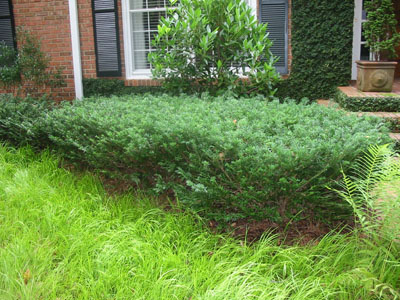
With this approach, even severely overgrown yews can be transformed into beautiful, dense hedges or specimens.
Topping Spruce for Neighbor’s View: Just Say No
Severe Pruning on Young Red Maple: Will It Recover?
Training a Crape Myrtle for a Clear Trunk and Canopy Shade
Drastic Crape Myrtle Pruning: Recovery and Management Plan
Pruning Lower Tomato Branches to Prevent Disease
Fall Tree Limb Removal: Timing and Proper Three-Cut Technique
Pruning Bradford Pear Trees: Preventing Storm Damage Through Structural Training
Pruning Overgrown Wichita Blue Juniper in Ohio
Pruning Tree Roses: Managing Dieback and Understanding Their Unique Structure
Comprehensive Pruning Guide for Bradford Pear Trees
How to Prune a Too-Tall Madagascar Palm (Pachypodium)
Pruning a 23-Year-Old Madagascar Palm (Pachypodium): Risks & Options
Pruning a Tall Rubber Plant for Compact Growth
Rejuvenating Leggy Variegated Privet: Hard Prune or Hide Knees
Copyright © www.100flowers.win Botanic Garden All Rights Reserved