


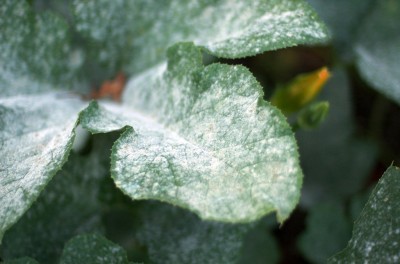
Powdery mildew is a nearly universal fungal nuisance that eventually finds its way into almost every garden, regardless of climate or care level. While a complete "cure" is elusive, combining smart cultural practices with targeted treatments can keep this disease in check.
The first line of defense is eliminating the conditions that favor fungal growth:
Numerous fungicides are available for powdery mildew control, including:
Important: Not all products are safe for food crops. Always verify that a fungicide is labeled for use on edible plants before applying to vegetables, herbs, or fruit.
The most effective strategy combines environmental management — reducing humidity, improving airflow, and planting resistant varieties — with judicious fungicide use when needed. This two-pronged approach suppresses existing infections and prevents future outbreaks.
Powdery Mildew on Lilac: Identification, Life Cycle, and Control Options
Controlling Apple Powdery Mildew: Cultural and Chemical Strategies
Comprehensive Guide to Powdery Mildew on Roses
Powdery Mildew on New Roses: Copper Treatment & Fertilizing Timing
Powdery Mildew: Identification, Prevention, and Fungicide Management
Powdery Mildew on Euonymus: Identification and Management
Powdery Mildew Control: Identification, Resistant Varieties, and Treatments
Powdery Mildew on Tulip Tree: Identification and Management
Powdery Mildew on Rosemary: Organic Controls
Powdery Mildew on Magnolia & Hydrangea: Fungicide Options
Send Fresh Flowers Online: The Smart Way to Show You Care
Treating Powdery Mildew in the Vegetable Garden: 3 Natural Steps
7 Tips for Photographing Winter Birds Like a Pro
Powdery Mildew on Houseplants: Identification, Treatment, and Prevention
Copyright © www.100flowers.win Botanic Garden All Rights Reserved