


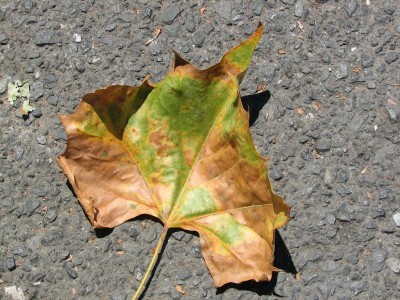
Anthracnose, caused by Colletotrichum, Gloeosporium, Apiognomonia, and related fungi, attacks deciduous/evergreen trees, shrubs, fruits, vegetables, and greenhouse crops in cool, wet spring weather. Dark, sunken lesions on leaves, veins, stems, flowers, and fruit are characteristic. The disease cycles annually but is rarely fatal. Sanitation and plant health are the main controls.
Anthracnose is a disease of wet springs and neglected sanitation. The gardener who rakes every leaf in fall, prunes cleanly in winter, and waters at the base rarely sees severe anthracnose. The one who leaves the debris creates next year's epidemic.
Potato Leaf Roll from Excess Rain: Wait It Out
Cane Blight in Brambles: Symptoms, Cultural & Chemical Control
Clubroot in Crucifers: Symptoms, pH Management & Long-Term Control
Southern Blight (Sclerotium rolfsii): Sanitation, Solarization & Professional Treatment
Scheduling Disease Control in Woody Ornamentals: A Seasonal Approach
Aphids: Identification, Control & Prevention for Garden Pests
Effective Strategies to Identify and Deter Rabbits from Your Garden
White Tie-Dye Foliage on Rosemary and Thyme: Need Photo for ID
Squash Yellowing and Stink Bugs: Moisture Balance and Atomic Grow
Large Aloe Vera in a Big Pot: Pros, Cons & Pup Care
Mulch Selection and Depth for Hillside Erosion Control in San Diego
Overwintering Sarracenia and Darlingtonia Below 20°F: Straw + Plastic
Nepenthes Scale and Sooty Mold: Insecticidal Soap for Scale, Ignore Mold
Copyright © www.100flowers.win Botanic Garden All Rights Reserved