


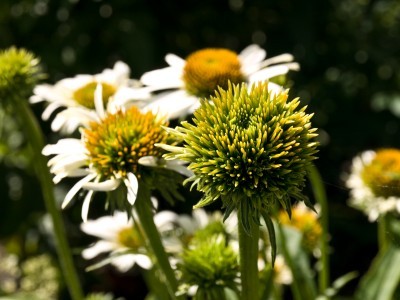
Aster yellows is not a virus but a phytoplasma disease (bacterium-virus hybrid) vectored by the aster leafhopper (Macrosteles fascifrons). It infects 200+ species across 40+ families—vegetables (carrot, potato, lettuce), flowers (coneflower, phlox, marigold, zinnia), and weeds. No cure; management targets the leafhopper and infected plant removal.
Aster yellows is a landscape-scale disease. The gardener who scouts, rogues, manages leafhoppers, and plants immune species in vulnerable spots keeps the phytoplasma at bay. The one who ignores the witches' brooms watches it jump from coneflower to carrot to marigold all season.
Daffodil Flower Information: Divisions, Growing, and History
Bhubaneswar Flower Delivery: Online Convenience for Every Occasion and Sentiment
Marigold Plant Information: Growing Guide for Gardeners
Verbena Plant Guide: Care, Varieties, and Uses
Impatiens Flowers: Complete Growing Guide & Care Tips
Complete Petunia Growing Guide: Varieties, Planting, and Care
Controlling Black Spot on Peonies in St. Louis Gardens
Monthly Flower Delivery Jaipur: Information & Tips
Wholesale Fresh Flowers: Benefits, Operations & Buying Guide
Birth Month Flowers: Complete Guide with Meanings, Colors & Victorian Messages
Fusarium Wilt: Soil-Borne Vascular Disease of Tomato, Pepper & Ornamentals
White Rust (Albugo) on Crucifers: Chalky Pustules, Rotation & Debris Management
Aster 'Moench Frikartii' – Long-Blooming Hybrid for Late-Season Color
Copyright © www.100flowers.win Botanic Garden All Rights Reserved