
Black Spot–Resistant Roses: Top Cultivars for Disease-Free Gardens
Black spot, caused by the fungus Diplocarpon rosae, is the bane of rose growers in humid climates. Infected leaves yellow, drop, and weaken the plant, often requiring relentless fungicide sprays. The sustainable solution

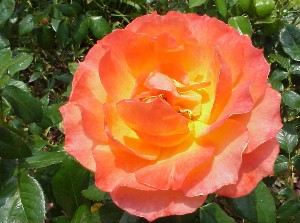
Best Rose Varieties for Southern Gardens
Every gardener wants to grow the Queen of Flowers, but success in the South hinges on choosing varieties that tolerate heat, humidity, and disease pressure. After compiling recommendations from seven Southern rose societ
The Earth-Kind® Rose Program: Low-Maintenance Roses for Every Garden
Roses are beloved by gardeners everywhere, yet their reputation for being finicky, disease-prone, and high-maintenance keeps many from growing them. The Earth-Kind® Rose Program, developed by Texas A&M University, change
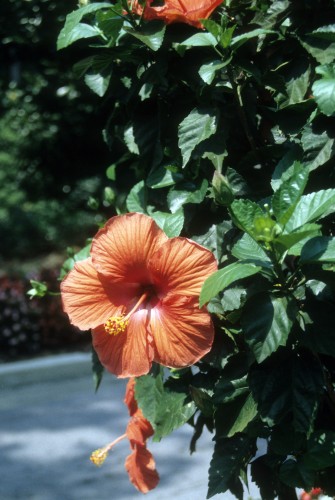
Overwintering Tropical Hibiscus: A Step-by-Step Guide
While hardy hibiscus varieties shrug off Atlanta winters, their tropical cousins need a helping hand to survive the cold. If your tropical hibiscus has flourished outdoors all season, it’s time to prepare it for indoor l
Tulips in the South: Choosing Between Hybrid and Species Tulips for Repeat Blooms
Tulips in the South: Choosing Between Hybrid and Species Tulips for Repeat Blooms Hybrid Tulips: Usually Annuals Hybrid tulips need three months of cool temperatures and bright sun after blooming to form next years flowe
Decorating with Chrysanthemums: Fall Color from Garden Plants and Potted Mums
Decorating with Chrysanthemums: Fall Color from Garden Plants and Potted Mums Gardeners have two sources of chrysanthemum flowers: established landscape plants and newly purchased potted mums. An 8-inch pot holds hundred
Planting Wildflowers in Georgia: Site Preparation, Seed Selection, and Maintenance
Planting Wildflowers in Georgia: Site Preparation, Seed Selection, and Maintenance Wildflowers on Georgia highways (GA 400, GA 316) inspire home gardeners, but Will Corley (Griffin Experiment Station) warns they are not
Black Walnut Allelopathy: Juglone-Sensitive and Tolerant Plants for Your Landscape
Black Walnut Allelopathy: Juglone-Sensitive and Tolerant Plants for Your Landscape Black walnut roots, husks, leaves, and bark release juglone, a chemical that inhibits many plants (allelopathy). Even decaying roots can
Diagnosing Gummosis in Cherry Trees: Beyond the Borer Myth
Diagnosing Gummosis in Cherry Trees: Beyond the Borer Myth Gum bleeding (gummosis) on cherry trees is often blamed on peachtree borers, but the causes are diverse. Written by Bob Stewart, Area Extension Educator. Peachtr
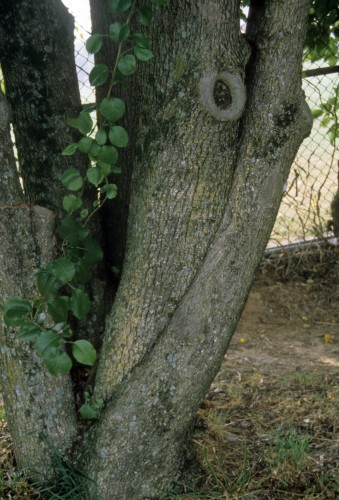
Pruning Bradford Pear Trees: Preventing Storm Damage Through Structural Training
Pruning Bradford Pear Trees: Preventing Storm Damage Through Structural Training Bradford pears are notorious for splitting in storms due to their vigorous, upright growth habit. Many vertical branches crowd the trunk, c
Storm Damage Categories for Trees: Assessing Severity and Long-Term Impacts
Storm Damage Categories for Trees: Assessing Severity and Long-Term Impacts Ice, snow, and wind storms cause distinct types of tree damage, each with specific long-term consequences. 1. Main Stem Failure (Most Severe) 50
Why Is My Cherry Tree Bleeding Sap? Causes and Solutions for Gummosis
Why Is My Cherry Tree Bleeding Sap? Causes and Solutions for Gummosis Sap bleeding (gummosis) on cherry trees alarms owners, but the causes vary. In early June 2002, a surge of reports prompted investigation by Extension
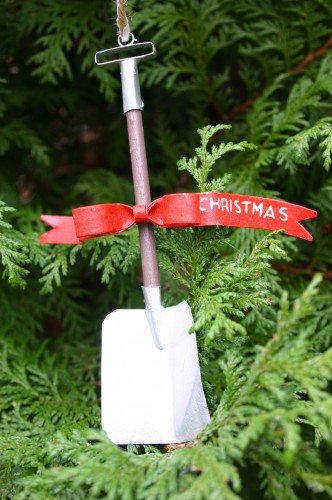
How to Select the Perfect Cut Christmas Tree: Freshness Tests and Care Tips
How to Select the Perfect Cut Christmas Tree: Freshness Tests and Care Tips 1. Choose a Fresh Tree Most lot trees were cut six weeks ago, often a thousand miles away. Visit several lots to test freshness. Check tags for
Crapemyrtle Pruning Methods Compared: Topping, Pollarding, and Pencil Pruning
Crapemyrtle Pruning Methods Compared: Topping, Pollarding, and Pencil Pruning Dr. Gary Knox at the University of Florida conducted a multi-year experiment comparing four pruning approaches: no pruning, pencil pruning, to
Dogwood Diseases in Atlanta: Powdery Mildew, Spot Anthracnose, and Blight
Dogwood Diseases in Atlanta: Powdery Mildew, Spot Anthracnose, and Blight Dogwoods in Atlanta faced several issues this spring: brown, distorted leaves and severe leaf drop. Understanding the weather history explains the
Eucalyptus Success Stories in Georgia: Cold-Hardy Species That Thrive
Eucalyptus Success Stories in Georgia: Cold-Hardy Species That Thrive While eucalyptus is often considered marginal in Georgia, numerous gardeners have succeeded with specific species. A key resource is Southern Eucs, wh
Moving a Japanese Maple in Summer: Emergency Transplanting Guide
Moving a Japanese Maple in Summer: Emergency Transplanting Guide Mid-summer is the worst time to move a large woody plant, but sometimes circumstances demand it. Heres how to give your Japanese maple the best chance of s
Crapemyrtle Leaf Drop Caused by Pressure Washer Bleach Overspray
Crapemyrtle Leaf Drop Caused by Pressure Washer Bleach Overspray A homeowner reported massive leaf drop on a section of a 15–20 foot crapemyrtle. The mystery was solved when the homeowners wife recalled a pressure-washin
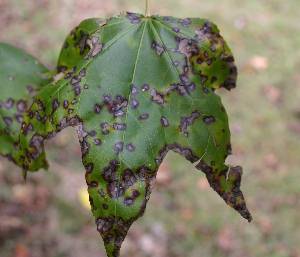
Summer Leaf Drop on Maple, Poplar, and Sweetgum: Causes and Solutions
Summer Leaf Drop on Maple, Poplar, and Sweetgum: Causes and Solutions Rainy summer weather creates high humidity, favoring fungal leaf spot diseases. These commonly affect sweetgum, poplar, and maple, though not all tree
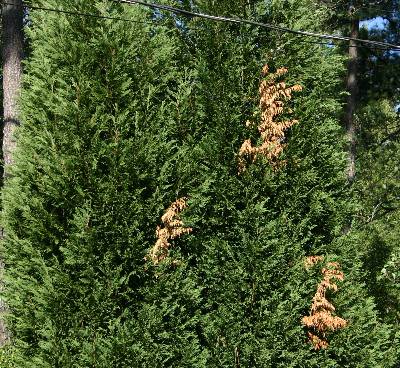
Leyland Cypress Diseases: Identifying and Managing Seridium and Botryosphaeria Cankers
Leyland Cypress Diseases: Identifying and Managing Seridium and Botryosphaeria Cankers Two fungal cankers commonly cause brown branches on Leyland cypress: Seridium canker and Botryosphaeria (Bot) canker. Dr. Jean L. Wil
Copyright © www.100flowers.win Botanic Garden All Rights Reserved