


Several once-popular ornamentals—kudzu, Japanese honeysuckle, bamboo, privet, English ivy—have become invasive scourges. Mimosa (Albizia julibrissin) joins this list.
A nostalgic gardener lamented its reclassification, recalling a grandfather's tree. Theresa Schrum explains: mimosa escapes gardens, invades natural areas, reproduces vigorously, and has only one natural enemy (Fusarium wilt). It's listed as invasive by:
Good stewardship means removing mimosa and replacing it with non-invasive alternatives. For the latest list of invasive plants in the South, visit Invasive Plants of the Thirteen Southern States.
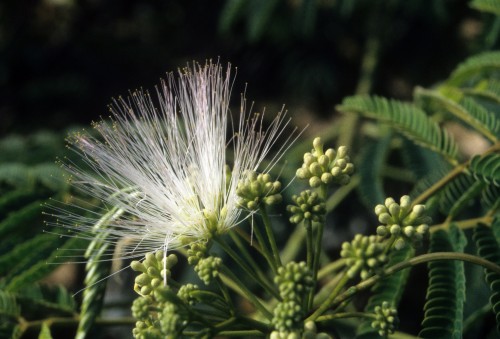
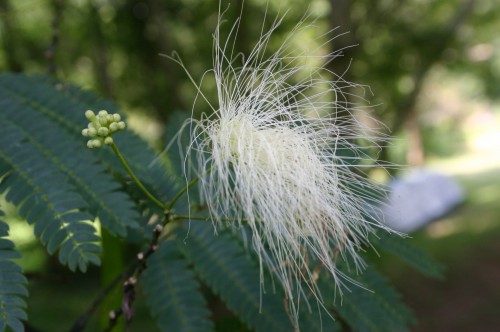
mimosa seed pods
Growing Mimosa pudica (Sensitive Plant) in the Classroom
Essential Facts About Running a Successful Plant Nursery
Coral Ardisia: Beautiful but Dangerously Invasive Shrub
Volunteer Plants: Managing Self-Sown Seedlings in Your Garden
Common Plant Diseases: Causes, Symptoms, and Prevention
Whiteflies Killing Potted Annuals on Screened Porch
Unisexual Flowers and Self-Pollination: Monoecious vs Dioecious
Indoor Gardening Mastery: 10 Essential Tips for Thriving Houseplants
Bonsai Plant Care Essentials: Water, Light, Temp & Fertilizer
Drought-Tolerant Plants: Why Cultural Practices Matter More Than Plant Labels
Troubleshooting Non-Blooming Plants: Light, Soil, and Roots
Overwintering Geraniums: Three Proven Methods to Keep Plants Alive
Copyright © www.100flowers.win Botanic Garden All Rights Reserved