
Using Urns in the Landscape: Four Design Strategies
Single focal point: Mark a path crossing, center a courtyard or formal pool, or terminate a lawn axis with a hedge backdrop. Series along an edge: Space several urns along a patio, terrace, or walkway. Plant the same th

Grassy Patio Mosaic in Taos: Living Flagstone Joints
Instead of a traditional lawn, Rene Mettler planted a living mosaic between flagstones at his 200-year-old adobe home in Taos, NM. Method Level area; spread 3 inches sand over existing soil. Set flagstones randomly in
Flying Colors: A Mediterranean-Inspired Courtyard
The Zischke familys Scottsdale courtyard feels like a Mediterranean borderland. Broken concrete pavers with black river rock bands feel Spanish; ocher and cinnabar walls suggest Morocco; citrus and grapevines evoke Italy
A Garden Designed for Privacy: Lush, Structured, and Productive
On a corner lot, designer Daniel Lowery created a private sanctuary blending Asian Zen and European formality for homeowners Rand Babcock and Tony Nahra. Layout English laurel privacy hedge (dwarf hemlock in cold clima
A Garden Room with a View: Enclosed Nature Connection
Richard and Marcy Lowy built a fully enclosed garden room and greenhouse connecting them to nature year-round. Generous windows frame garden views on three sides; double doors open to fresh air, bird calls, and a stream.
Creating a Welcoming Winter Patio
Even in cooler weather, a patio can be a delightful outdoor living space with three elements: warmth, shelter, and comfort. Design Ideas Covered patio (Woodland Hills, CA): Open on two sides, fireplace focal point (pre
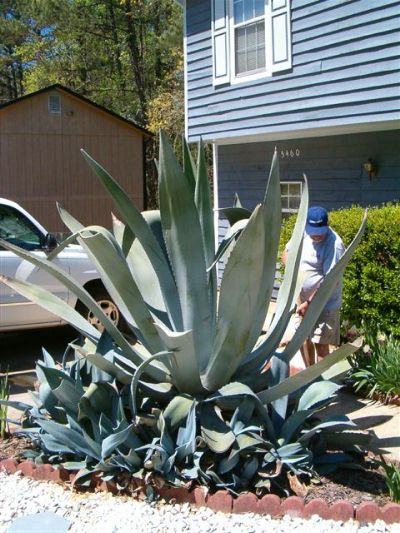
American Agave: A 7-Year Specimen in Lithonia, Georgia
A reader shares photos of a massive American agave (Agave americana) thriving outdoors year-round in Lithonia (Zone 7b) for seven years. The plant’s size is gauged by a full-size extended-cab truck and the owner’s husban
Aztec Grass (Ophiopogon jaburan): Beautiful But Not Perennial in Atlanta
Aztec grass looks like variegated liriope but is Ophiopogon jaburan—hardy only to 20°F. No confirmed survival through Atlanta winters. Treat as an annual or use true variegated liriope (Liriope muscari ‘Variegata’) for a
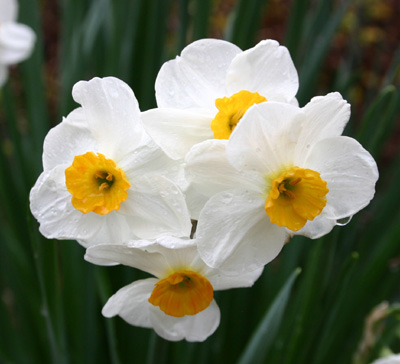
Bulb Foliage Emerging in Winter: No Panic Needed
Seeing daffodil or tulip leaves in January alarms gardeners, but bulb foliage is extremely cold-hardy. As long as no swollen flower bud is visible, the plant will survive any freeze. Even budded stems often bloom fine af
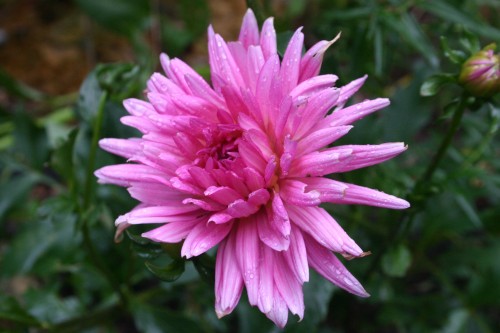
Storing Tender Bulbs for Winter: Dahlias, Caladiums, Elephant Ears, Gladiolus
Atlanta’s Zone 7 winters kill many summer bulbs. Dig and store them properly to replant next spring. Dahlia Cut stems above tubers; dust wounds with sulfur. Store in plastic tubs with perlite (2–3 layers). Keep in warm
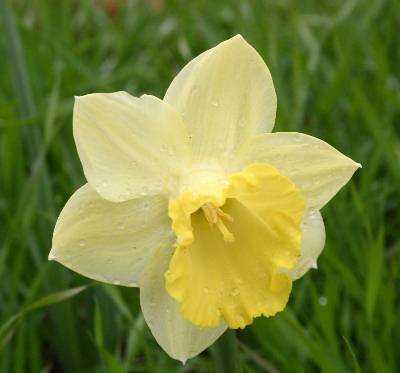
When to Plant Spring-Flowering Bulbs in Fall: Timing, Depth, and Fertilizing
Bulbs appear in stores by September, but planting too early triggers premature top growth. The sweet spot: late October, when night temperatures consistently drop below 60°F. Planting Window Ideal: Late October–Novembe
Cold-Hardy Cacti: Growing Desert Plants in Freezing Climates
The Winter Hardy Cactus and Succulent Association (Robert Johnson, Intermountain Cactus, Kaysville, UT) and John Spain’s book Growing Winter-Hardy Cacti in Cold/Wet Climate Conditions open a new frontier: cacti that surv
Planting Caladiums: Wait for Warm Soil for Best Results
Caladiums have evolved from shade-only plants to sun-tolerant color stars, with leaves in reds, pinks, whites, and patterns. But they remain tropical bulbs that demand heat. Critical Rule Soil temperature must be ≥65°F
Candy Lily (Pardancanda norrisii): Iris-Like Blooms in a Rainbow of Colors
Candy lily, a hybrid between blackberry lily (Belamcanda chinensis) and Pardanthopsis dichotoma, grows to 36″ with iris-like foliage and larger, more colorful flowers—blues, purples, yellows, reds, oranges, bi-colors, wi
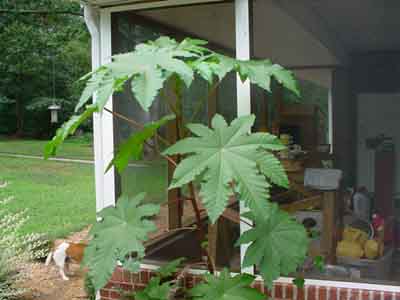
Castor Bean (Ricinus communis): Ornamental Drama and Ricin Risk
Castor bean’s huge, tropical leaves make a bold statement in Southern landscapes, but its seeds produce ricin—a potent toxin. The plant dies back at hard freeze but often returns from seedlings. Identification Large, l
Elephant Ears: Colocasia vs. Alocasia vs. Xanthosoma – How to Tell Them Apart
All three genera are called “elephant ear,” but they differ in leaf orientation, petiole attachment, soil preference, and edibility. Key field marks: Alocasia Leaves held horizontally, tips pointed upward. Petiole atta
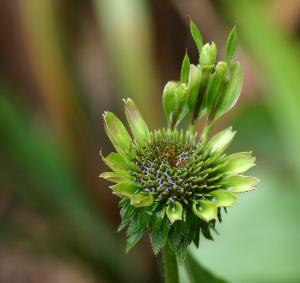
Coneflower Phytoplasma (Aster Yellows): Identify and Control Deformed Blooms
In 2004, gardeners reported a surge in bizarre coneflowers: misshapen cones, tiny secondary flowers emerging from the center, and green petals instead of purple or white. The culprit: aster yellows phytoplasma—a bacteriu
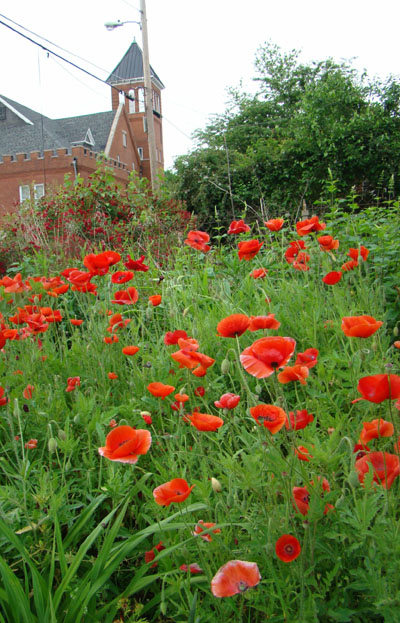
Corn Poppy: The Memorial Day Flower – History, Growing, and Poetry
The corn poppy (Papaver rhoeas)—named for its habit of growing among grain fields (“corn” in British usage)—is a brilliant red annual that naturalizes easily in Southern gardens. Sow seeds in September–October directly w
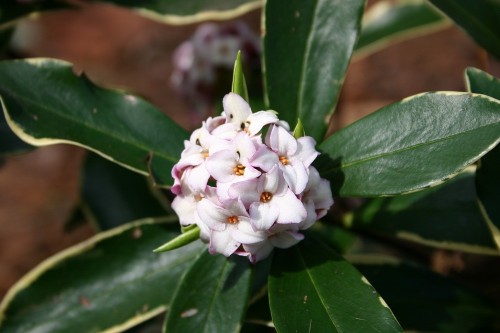
Fragrant Plants for the Southern Garden: A Month-by-Month Bloom Calendar
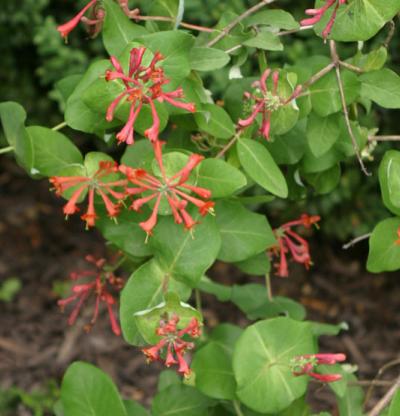
Fragrance transforms a garden from visual to sensory. Here’s a curated list of reliably fragrant plants for the South, ordered by bloom time. January Fragrant wintersweet (Chimonanthus praecox), Winter honeysuckle (Loni
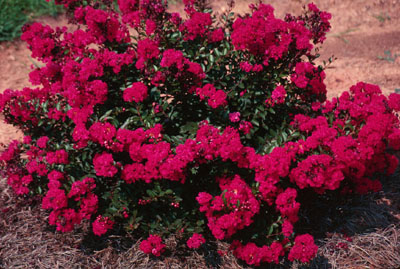
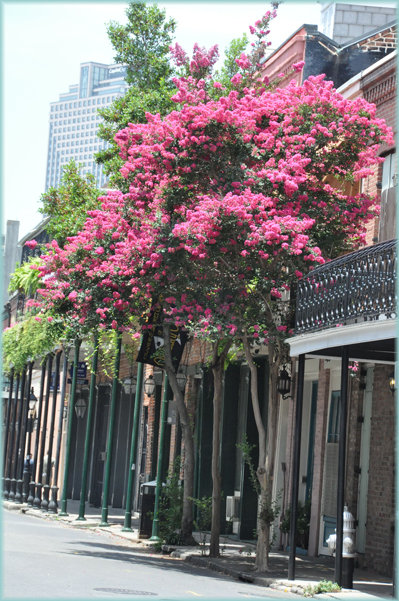
Why Your Crapemyrtle Isn't Blooming: Four Common Causes
Few things frustrate a gardener more than a non-blooming crapemyrtle—especially when neighbors’ plants are covered in flowers. If your plant is healthy but flowerless, check these four factors. 1. Pruning Mistakes Crape
Copyright © www.100flowers.win Botanic Garden All Rights Reserved