
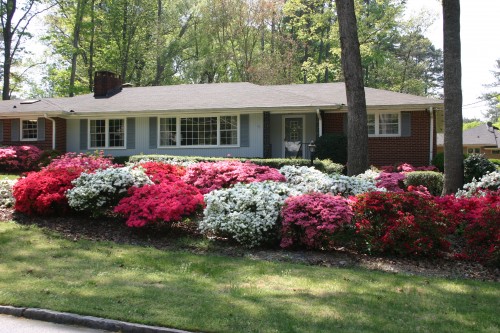
Planning Your Own Landscape: Step-by-Step Guide
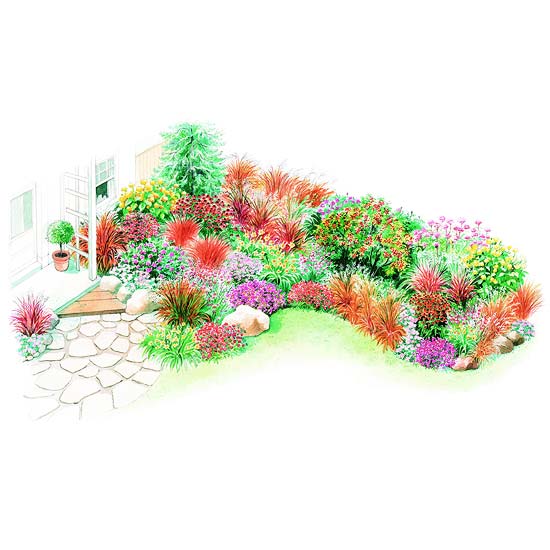
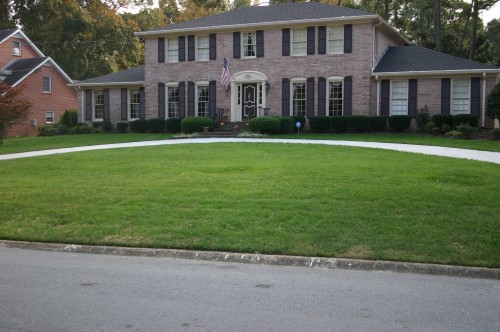
Professional landscaping costs can be astronomical. Master Gardener designers share a practical DIY approach in two parts. This week: getting started. Do Your Homework Theresa Schrum: Determine use (entertaining, play, p

Resources for Planning Your Own Landscape
After mastering design basics (sketch existing yard, define use areas, identify borrowed views, plant in odd numbers, plan for year-round interest, flow bed edges), use these resources to execute affordably. Budget Strat

Choosing Landscape Design Software: Real User Experiences
Gardeners share pros and cons of various programs: Marjorie Setup is tedious; plant libraries lack specific cultivars. Uses Garden Composer for plant search but designs on graph paper. Alan (Master Gardener) Used Sierra
Landscape Design Software Options
Popular landscape design software packages include: 3D Home Architect Landscape Design DesignWare 3.3 DynaScape 3.0 Professional EarthScapes Landscape Design Software Instant Landscape Design LandCADD Landscape Design L
Evaluating Scientific Claims in Gardening: Houseplants, Beer, and Snake Oil
Misinterpreted science often sells garden products. Three examples: Houseplants Clean Air? NASA studies showed plants remove VOCs in sealed chambers. To replicate in a home, youd need ~680 plants. The real action was in
Late Summer Garden Jobs: Weeds, Roses, Deadheading, Pruning
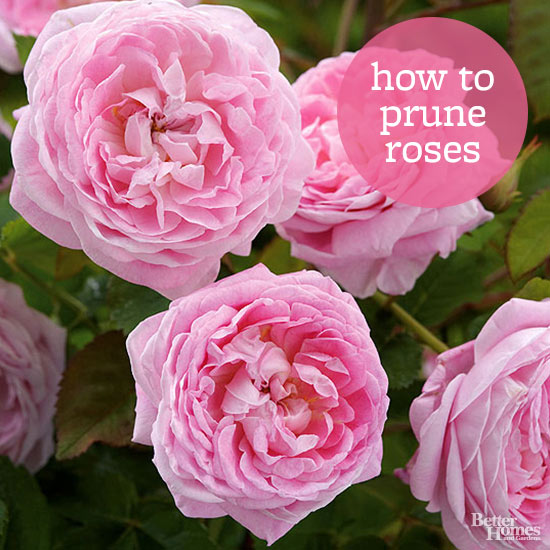
Late summer is prime time for several tasks: Weed Control Spot-spray or pull weeds before they set seed. The next six weeks are ideal for herbicide on tough perennials (kudzu, poison ivy, honeysuckle, English ivy) as the
Landscaping Textbooks for Aspiring Professionals
Dr. Richard Ludwig of Gwinnett Tech recommends Residential Landscape Architecture by Norman Booth (Prentice Hall) as an introductory college text. Gwinnett Tech and North Metro Tech offer courses in landscape design and
Summer Landscape Maintenance: Feed, Deadhead, Scout, Prune
Keep summer annuals blooming with monthly fertilizer (1 lb 10-10-10 per 100 sq ft). Deadhead faded flowers on petunias, cosmos, salvia, and marigolds to stimulate new blooms. Scout for pests like black vine weevil on aza
Call Before You Dig: Locating Buried Utility Lines
Before any digging project, contact the Utilities Protection Center (UPC) to mark underground lines. This free service, funded by utility companies, requires three business days notice. Metro Atlanta: 770-623-4344 Statew
Native Plants in the Landscape: Debate and Balance
A readers question about subdivision covenants requiring plants native to the southeastern U.S. sparked lively debate. Proponents argue natives are adapted, support wildlife, and define regional identity (e.g., dogwood,
Troubleshooting Non-Blooming Plants: Light, Soil, and Roots
When a plant wont bloom, the cause is often environmental. Start with these fundamentals: Light: The Energy Source Plants need appropriate light to flower. Has shade increased over the years? Consider moving the plant or
Find Your Plant Tribe: Georgia Plant Societies
Joining a plant society connects you with passionate gardeners and expert knowledge. The Georgia Hosta Society, Georgia Perennial Plant Association, and Georgia Native Plant Society offer meetings, plant swaps, and rescu
Why Won't My Plant Bloom? Five Common Reasons
A healthy plant that refuses to flower is frustrating. Here are the top five culprits: 1. Improper Pruning Plants bloom on specific wood. Crape myrtles flower on new growth; bigleaf hydrangeas bloom on old wood. Pruning
Pollination Deep Dive: Why Some Fruits Need a Partner
Many fruit crops require cross-pollination between different varieties to set abundant fruit, even though they have perfect flowers. Apples, blueberries, and plums are classic examples. This genetic strategy—rejecting se
Rain Gardens: Capturing Runoff for Beauty and Function
Rain gardening means designing your landscape to retain rainfall on-site, benefiting plants and reducing runoff. Excess water is directed to a depression planted with wet-tolerant species, where it infiltrates slowly. Th
Taming Landscape Erosion: Mulch, Plants, and Terracing
Heavy rains can turn slopes into erosion nightmares. Any slope dropping more than 12 inches over 10 feet is prone to washing. Solutions include mulch, vegetation, and terracing. Mulch Options Pine straw and bark chips ar
Transplanting Trees: UGA's Proven Method for Success
Moving a tree is a delicate operation. Professional root balls contain only 15–50% of the original root system, yet many trees survive if moved correctly. The best time is late fall or winter when the soil is moist and d
UGA Extension Publications for Flowers, Trees, and Shrubs
The University of Georgia offers a comprehensive library of free online publications for ornamental gardening. These research-based guides cover everything from plant selection to specialized care: Landscape Plants for
How Winter Cold Affects Garden Plants: Damage and Recovery
Severe cold snaps can cause dramatic damage to landscape plants. A Carolina jessamine vine appeared to have exploded at its base after a mid-January freeze—frozen sap literally blew the bark off. Only one of three vines
UGA Weed Control Publications for Ornamental Plants
Dr. Mark Czarnota, UGAs weed specialist for ornamentals, has compiled a series of publications to help gardeners tackle common weed problems. These resources cover a wide range of challenging weeds and situations: Weed
Copyright © www.100flowers.win Botanic Garden All Rights Reserved