





Planting Trees Correctly: Wide Hole, No Amendments, Find the Flare
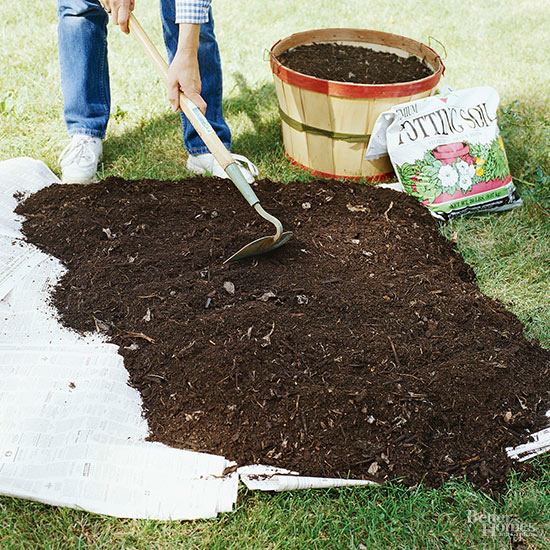
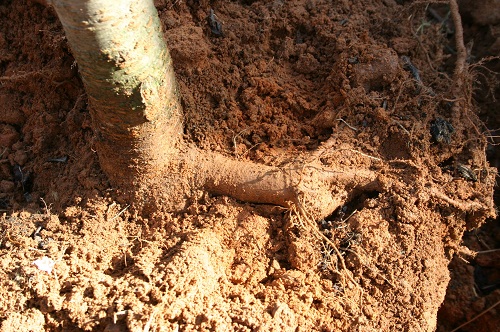
Fall is ideal for tree planting. Follow these research-backed steps: Dig a Wide Area, Not a Deep Hole Loosen soil in a 6-ft diameter spiral. Only the center needs a hole twice the root ball width. Wide, pulverized soil e


Tree Storm Recovery: Assess, Prune & Repair Damaged Trees
Most storm-damaged trees survive with proper care. First, decide if the tree is salvageable: Split bark exposing cambium or split main trunk → remove. Over 75% crown loss → remove/replace. Never top trees—stubs produce
Straightening Bent or Leaning Trees: Staking Techniques
Young, leaning trees can be straightened with guy ropes. Never use wire padded with hose—it damages bark. Use 1-inch+ wide nylon strap or cotton cloth around the trunk. Mark guy ropes near walkways for visibility. If ben
UGA Tree Publications: Free Online Resources for Tree Care
The University of Georgia offers over 25 free online publications covering every aspect of tree management: Fast Growing Shade Trees Trees for Georgia Watering Trees Pruning Shade Trees Wetland Trees and Shrubs Treehous
Azalea Growing Guide: UGA Publication on Selection, Pests & Propagation
Azaleas are Georgias signature spring shrubs. The University of Georgias comprehensive publication Selecting and Growing Azaleas (12 MB PDF) covers everything: cultivar selection, planting, care, pest management, and pro
Azalea vs. Rhododendron: The Stamen Difference
Both belong to genus Rhododendron, but a simple floral trait distinguishes them most of the time: Azaleas: 5 stamens per flower Rhododendrons: 10 stamens per flower Stamens are the male parts topped with pollen-bearing
June Azalea Care: Prune for Shape & Control Lace Bugs
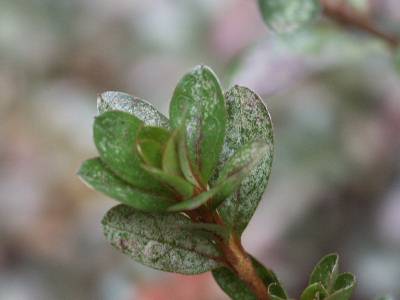
After spring bloom, two tasks keep azaleas healthy: Prune for Natural Form If shrubs are getting too tall, use hand pruners (not hedge trimmers) to remove taller branches back to a fork. This preserves the natural mounde
Planting Azaleas Right: Loosen Roots & Prepare the Bed
Many azaleas die because their tight, pot-bound root balls never explore the surrounding soil. Heres how to ensure success: Loosen the Root Ball One-gallon azaleas often have a ¼-inch thick root mat like shoe leather. Us
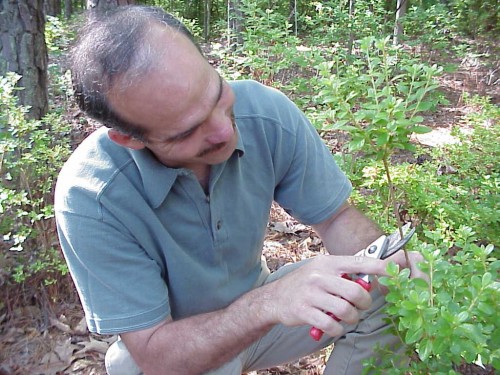
Azalea Pruning in Late Spring: Control Size, Shape & Rejuvenate
Azaleas often outgrow their space. Two approaches for different goals: Control Growth (Mature Plants) If thin sprouts rise above the rounded canopy, trace each to its origin and remove it entirely. Inside the shaded inte
Clumping Bamboo for Atlanta: Recommended Species and Cold Hardiness
A reader asked: Is there a recommended clumping bamboo for Atlanta? Need one growing 16+ feet. Though tall like a tree, bamboo is giant grass. Spreads by underground stems (rhizomes). Plants expand rapidly if rhizomes gr
Boxwood Varieties: English vs. Japanese & Top Cultivars
Nurseries primarily offer two species: English Boxwood (Buxus sempervirens) Native to Europe/N. Africa/W. Asia. Larger, holds green color in sun or shade. Leaves tapered, widest at base. Cultivars: Newport Blue – bluish
Boxwood Troubles: Warts on Leaves Indicate Root Stress
If boxwood leaves lack the mottling of leafminer damage but the shrub is thinning, check the roots. Taft Eaker (UGA Extension) says most boxwood problems stem from root failure—either waterlogged (too much water) or suff
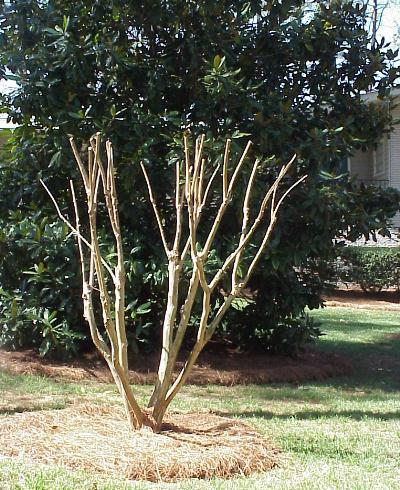
Crapemyrtle Pruned Correctly: Photos of Natural, Graceful Form
Well-pruned crapemyrtles display architectural elegance—open structure, smooth trunks, and balanced canopy. These examples show the beauty of selective thinning over topping.
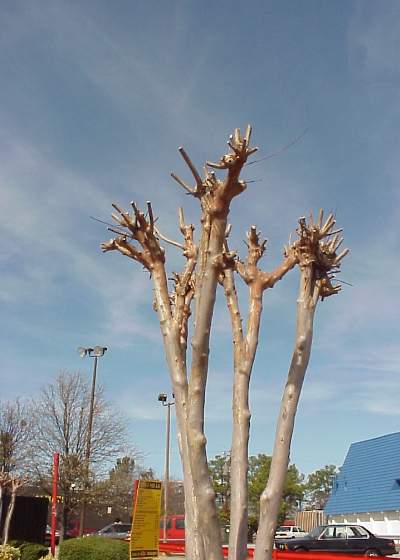
Crapemyrtle Pruning Mistakes: Photos of "Crape Murder"
Poor pruning leaves crapemyrtles as ugly knobs—topped thoughtlessly to a uniform height. This destroys natural form and promotes weak, congested regrowth.
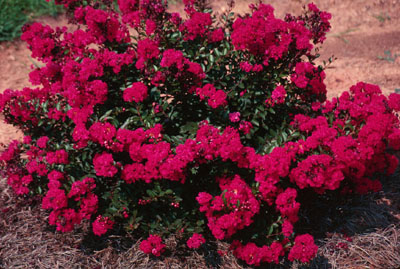
Crapemyrtle Cultivars: Choosing the Right Variety for Your Landscape
Crapemyrtles (Lagerstroemia) are Southern staples with diverse flower colors and mature heights. Two excellent resources list recommended cultivars: University of Georgia: Crape Myrtles for Georgia – care guide and vari
Crapemyrtle Pruning: Shannon Pable on Structure & Pest Management
Certified Arborist Shannon Pable distinguishes pollarding (cutting above previous pollard cuts) from topping (cutting below). Once pollarded, a tree must continue the practice due to altered structure. She recommends rem
Crapemyrtle Pruning: Art Morris on Proper Pollarding Technique
Board Certified Master Arborist Art Morris clarifies that true pollarding removes only annual sprouts back to the pollard head (knuckle), using hand pruners—never large cuts into older wood. Done correctly, it can prolon
Crapemyrtle Pruning: Steve Pettis on Pollarding vs. Natural Form
Certified arborist Steve Pettis explains that severe topping (crape murder) is technically pollarding—an old forestry practice for maintaining trees at a small size. While acceptable on young trees, pollarding creates un
Crapemyrtle Spelling: Why One Word Is Correct
I spell it crapemyrtle (one word) for consistency, following Dr. Michael Dirrs Manual of Woody Landscape Plants. Dr. Carl Whitcomb, a noted breeder, explains the botanical reasoning: The plant belongs to genus Lagerstro
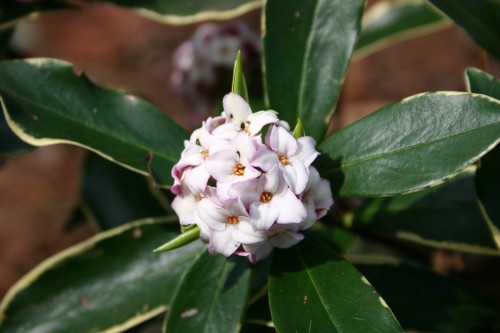
Daphne Soil Recipe: The Secret to Growing This Finicky Shrub
Daphnes are notorious for sudden death—many gardeners lose several before succeeding. The key is exceptional drainage. After losing three plants to poor soil prep, I developed a custom mix that works. Special Soil Recipe

Copyright © www.100flowers.win Botanic Garden All Rights Reserved