


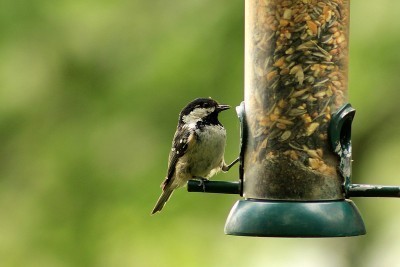
Birds bring song, color, and insect control to the garden. To make them year-round residents—not just visitors—provide the three essentials: food, water, and shelter.
Offer a quality seed mix: black oil sunflower, white millet, nyjer (thistle). Avoid fillers like red millet. Suet (rendered beef fat) attracts woodpeckers, nuthatches, chickadees in winter; make your own with peanut butter, lard, dried fruit, nuts. Plant native berry/seed producers: serviceberry, dogwood, coneflower, sunflower.
Birdbath: 2–3 in deep, rough bottom, shaded, with a dripper or fountain. Clean weekly. Ponds with shallow edges also work.
Layered vegetation: canopy trees, understory shrubs, ground cover. Cavity nesters (bluebirds, chickadees, wrens) need nest boxes with proper hole sizes. Leave dead trees (snags) where safe. Brush piles provide winter cover.
A bird-rich garden is a healthier, more vibrant ecosystem—and a daily joy to observe.
Essential Winter Garden Preparation: Protect Your Plants and Simplify Spring Work
Garden Structure: The Secret to Year-Round Visual Interest
Container Gardening Basics: Pots, Soil, Plants & Light
Spring Garden Cleanup: 4 Essential Steps for a Vibrant Growing Season
Create Your Best Organic Garden: Top Strategies for Success
Attract Bees to Your Garden: Best Flowers and Practices
Butterfly Garden Design: Flowers, Water, Shelter, and Wind Protection
Essential Gardening Tips for a Thriving Garden
New Gardener's Guide: Essential Tips for a Flourishing Garden
Organic Gardening Tips and Tricks for a Thriving Garden
Tips, Tricks, and Advice for Your Organic Garden
Build Your Own Garden Shed: Planning & Construction Basics
Grow a Backyard Vegetable Garden: Tips for Fresh, Organic Harvests
5 Pro Vegetable Gardening Tips for Better Harvests with Less Work
Copyright © www.100flowers.win Botanic Garden All Rights Reserved