


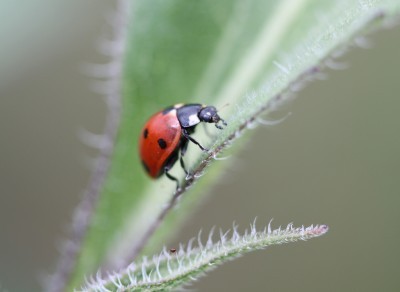
Ladybugs (lady beetles) are iconic aphid predators—adults and larvae together devour thousands of aphids, mites, and scale insects. Attracting and retaining them requires meeting their dual needs: prey (aphids) and pollen/nectar.
Flat, accessible flowers in white/yellow: angelica, calendula, caraway, chives, cilantro, cosmos, dill, fennel, feverfew, marigold, statice, sweet alyssum, yarrow. Allow herbs to flower.
Sacrifice a few plants to host aphids: early cabbage, marigold, nasturtium (aphid favorite), radish. This keeps ladybugs fed before they reach your main crops.
Shallow water dishes with stones. Ladybug houses (or bundled hollow stems) for overwintering.
Even organic sprays kill ladybugs. Tolerate low aphid levels—they’re ladybug food.
With food, water, shelter, and a poison-free garden, ladybugs will stay, reproduce, and patrol your plants all season.
Selecting Quality Gardening Supplies for Optimal Results
Garden Transformation Tips: From Planning to Planting Success
Beautiful Garden Design: Tips for Stunning Outdoor Spaces
Gardening Tips: Design, Specialty Gardens & Butterfly Habitat
5 Essential Steps to Design Your Dream Landscape
How to Attract Hummingbirds to Your Garden
How to Attract Butterflies to Your Garden: Best Nectar & Host Plants
Electric Lawn Mower Maintenance: Keep Your Cordless Mower Running Like New
Complete Guide to Growing Pumpkins in Your Home Garden
Garden Transformation: Design, Planting, and Maintenance Secrets
Planning Your Perfect Home Garden: A Step-by-Step Guide
Enhance Your Garden with Accessories: Decor, Tools, and Organization
Essential Winter Garden Preparation: Protect Your Plants and Simplify Spring Work
Copyright © www.100flowers.win Botanic Garden All Rights Reserved