


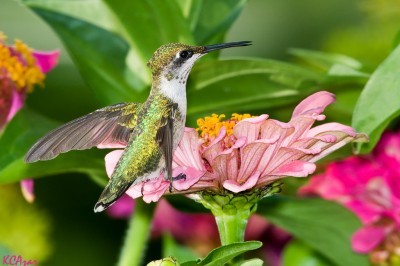
Hummingbirds are dazzling, high-metabolism pollinators that need constant nectar and insect protein. A well-designed garden provides both, along with perches, water, and nesting sites.
Hang multiple feeders (3–5 ft high) with 4:1 water:sugar solution (boil, cool). No red dye. Clean every 3 days in heat; weekly in cool weather. Use hot, soapy water—no bleach.
Red/orange tubular flowers: bee balm, cardinal flower, columbine, jewelweed, trumpet vine, salvia, penstemon, fuchsia, honeysuckle, cannas. Plant in clusters for efficient foraging. Ensure blooms from spring to frost.
A hummingbird garden is a kinetic, colorful ecosystem that rewards you with aerial acrobatics and pollination services.
Japanese Garden Gravel: Specifying the Right Material in the Midwest
Impressing Garden Guests in Rockaway, Queens: Need Photos for Custom Design
Flowers for an Attractive Garden
Modern Garden Paving: Design Ideas and Practical Tips
Wildlife Garden Design: Native Wildflowers for Every Season
Online Flower Shopping: Curated Gardens Delivered to Your Doorstep
Annual Garden Design: Marigolds, Larkspurs, and Sunflowers for Season‑Long Color
Three Contemporary Garden Themes for Modern Urban Spaces
Flower Garden Ideas for Small Spaces: Indoor and Outdoor Solutions
Japanese Garden Design for Beginners: Space, Enclosure, and Natural Harmony
Best Annual Flowers for Shade Gardens: Color Without Full Sun
Hillside Landscaping: Erosion Control and Beauty on Slopes
Unique Garden Decor Ideas: Creative & Personal Touches
5 Wedding Flower Gift Ideas: Calla Lilies, Roses, Hydrangeas, Tulips, Stephanotis
Copyright © www.100flowers.win Botanic Garden All Rights Reserved