


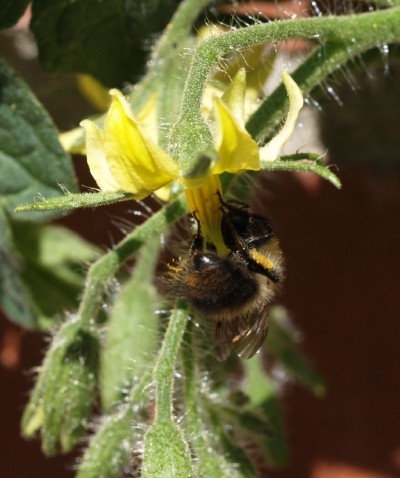
Most fruits and vegetables—tomatoes, squash, apples, berries, cucumbers, melons—require insect pollination to set fruit. Without pollinators, flowers bloom but produce nothing. Understanding the process helps you support it.
Bees, butterflies, wasps, flies, and beetles visit flowers for nectar/pollen. Pollen grains stick to their bodies and transfer to the stigma of the next flower, fertilizing the ovary. The result: seeds and the fruit surrounding them.
Pollination is a partnership. Nurture your pollinators, and they’ll nurture your harvest.
Acclimating Nursery Plants and Light Needs for Drosera multifida / Mexican Butterworts
Hand-Pollinating Indoor Habaneros and Organic Aphid Control
Wisteria Bonsai Cultivation: Pruning, Repotting, and Flowering Secrets
What Is a Swale? Building Water-Saving Landscape Features
Lightning Safety in the Garden: Essential Storm Precautions
Leaf Identification Guide: Types, Arrangements, and Visual Cues
Garden Fitness: How Yard Work Burns Calories and Boosts Health
Houseplants That Thrive Without Direct Sunlight
Indoor Apartment Vegetable Gardening: Best Crops and Cat-Proofing
House Plants That Clean the Air: NASA-Proven Varieties for Healthier Homes
History of the Strawberry: From Wild Berries to Modern Cultivation
Vermi Compost and Compost Tea: Complete Guide to Organic Soil Enhancement
Starting Hedges and Gardens Right: Soil Prep, Design, Tools, and When to Call a Pro
Copyright © www.100flowers.win Botanic Garden All Rights Reserved