


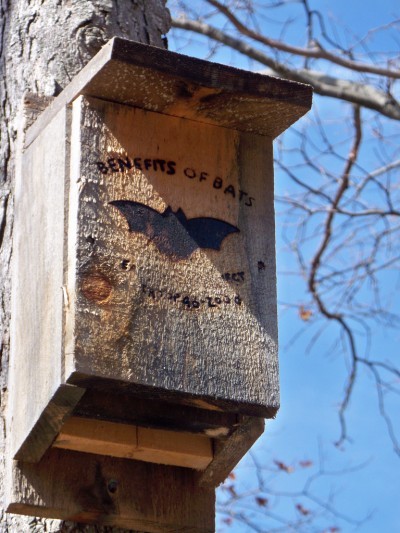
Bats are misunderstood allies—a single little brown bat eats 1,200 insects/hour. A well-placed bat house can host a colony that transforms your summer evenings into bug-free enjoyment.
Chambers ≥14 in wide × 24 in tall. Rough interior surfaces (½-in exterior plywood or cedar). Caulk all exterior seams. Metal or shingle roof for heat retention and waterproofing. No pressure-treated wood. Three coats flat, water-based exterior paint.
Clean wasp nests each winter. Re-caulk/paint every 3–5 years. Collect guano (wear gloves) for superb fertilizer. Bats are wild—never handle; rabies risk is low but bites hurt.
Install in late winter for spring occupancy. A successful bat house is a long-term investment in natural pest control.
Building a Flower Bed on a Hot, Sunny South-Facing Slope
Attract Beautiful Birds to Your Garden: A Complete Guide
Spring Gardening Success: Planting, Planning, and Preparation
Creating the Perfect Garden Pond: Essential Planning Guide
Attracting Bats to Your Backyard: A Complete Guide to Installing a Bat House
How to Choose Garden Flowers for Continuous Bloom and Beauty
Growing a Productive Herb Garden: Cultivation, Harvest, and Preservation
How to Prepare Your Garden for Winter: A Step-by-Step Autumn Checklist
How to Make Compost for Your Garden: A Beginner's Guide
How to Plant Tomato Plants in the Garden: Bed Prep to Harvest
How to Create a Wildlife Garden: Attract Birds, Butterflies, and Beneficial Creatures
Copyright © www.100flowers.win Botanic Garden All Rights Reserved