


Maples (Acer spp.) are fast-growing, cold-hardy shade trees with stunning foliage. Pruning prevents branch rubbing, controls size, and removes hazards—but timing matters to avoid excessive sap bleeding.
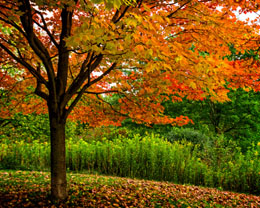
Late fall to early winter (dormant, leaves fallen). Avoid early spring—active sap flow causes messy bleeding. Light deadwood removal can be done anytime.
Clean shears/saws with strong bleach solution between cuts to prevent disease spread.
Thoughtful, phased pruning keeps maples structurally sound and visually magnificent.
Mushrooms at Maple Tree Base: Harmless or Hazard?
Pruning Pear Trees: Timing and Techniques for Healthy Harvests
Pruning Apricot Trees: A Step-by-Step Guide for Young and Mature Trees
Apple Tree Pruning: From Young Trees to Overgrown Restoration
Pine Tree Pruning: Controlling Size and Promoting Dense Growth
Peach Tree Pruning: Annual 40% Removal for Consistent, Quality Harvests
Maple Trees Hit by Truck: Stabilize, Mulch, Document for Insurance
Maple Tree Planting for Town Bicentennial: Disease Risks Manageable
Caring for Aging Maple Trees: Addressing Bark Loss, Mushrooms, and Lichens
Growing Grass Under a Red Maple and Pine: Shade, Competition, and Cultural Practices
Sugar Maple Sapling Care: Container Growing Until Permanent Planting
Pruning Overgrown Hollies and Replacing Damaged Azaleas
Pruning Rose Trees (Standards): Complete Guide for Hybrid Tea and Floribunda Types
Copyright © www.100flowers.win Botanic Garden All Rights Reserved