


Pruning fruit trees isn't just about shape—it's about productivity, longevity, and disease prevention. Whether you have apples, peaches, plums, or cherries, the core principles are universal: prune annually during dormancy, use the right tools, and match the training system to the species.
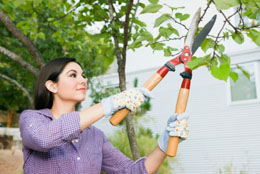
Cut out all dead/diseased wood. Thin overcrowded branches to admit light and stimulate new fruiting shoots. Retain a few healthy limbs; remove the rest gradually.
Consistent, informed pruning transforms a backyard orchard into a reliable, high-quality fruit source.
Why Apple Trees Fail to Fruit: Nitrogen, Weeds, Frost, and Pollinators
Pomegranate Propagation in Mexico: Seeds vs. Cuttings
Growing Apple Trees in Central Florida Sand: Low-Chill Varieties
Fruit Tree Selection for Central New Hampshire
Growing Fruit Trees and Bushes: A Rewarding Garden Investment
Pruning Pear Trees: Timing and Techniques for Healthy Harvests
Pruning Apricot Trees: A Step-by-Step Guide for Young and Mature Trees
Japanese Maple Pruning: Timing, Tools, and Techniques for Elegant Form
Apple Tree Pruning: From Young Trees to Overgrown Restoration
Pine Tree Pruning: Controlling Size and Promoting Dense Growth
Copyright © www.100flowers.win Botanic Garden All Rights Reserved