


Crepe myrtles (Lagerstroemia indica) bloom for months in shades of white, pink, magenta, and purple. While they naturally grow as multi-stemmed shrubs, they're often trained as small trees. Annual pruning maintains the desired form—but extreme topping ("crepe murder") destroys their grace and invites disease.
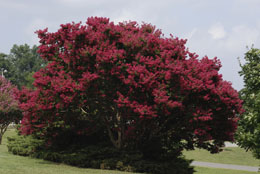
Health-wise, no. But to maintain a tree-like shape with 4–5 main trunks, yearly pruning is needed. If you prefer a natural shrub form, only remove dead or crossing wood.
Respect the crepe myrtle's natural elegance; prune with restraint for a healthier, more beautiful tree.
Old Crape Myrtle with Scale: Systemic Treatment Best
Crepe Myrtle Yellow Leaves: Heat, Drought, or Nutrient Imbalance
Non-Blooming Crepe Myrtle: Sun, Fertility, Pruning Fixes
Repairing a Split Branch on a Young Crepe Myrtle (Hopi)
Crepe Myrtle Pruning: Avoiding "Crepe Murder" for Natural Beauty
Mulberry Tree Pruning: Crown Reduction vs. Pollarding for Health and Shape
Crape Myrtle Powdery Mildew: Fungicides and Pruning Advice
Pruning Mature Locust Trees: Timing, Fertilizing, and Realistic Expectations
Crape Myrtle Rescue: Water Stress and Cercospora Leaf Spot Treatment
King Crimson Maple 3-ft Leafless Top: Don't Top It!
Crape Myrtle Not Blooming? Diagnose Sunlight, Soil, and Pruning Issues
Copyright © www.100flowers.win Botanic Garden All Rights Reserved