
Why Your Snowball Bush Won't Bloom: Pruning, Light, and Fertilizer Fixes
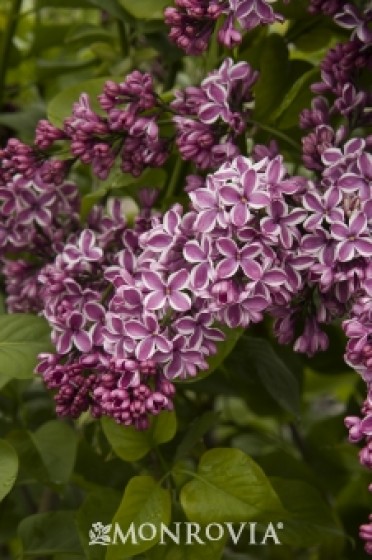
A healthy, green snowball bush (Viburnum opulus Roseum) that refuses to flower is a common frustration in Kentucky gardens. The fix usually comes down to three factors: pruning timing, light, and fertilizer balance. 1.

Making Newspaper Seed Pots: What Paper to Use and How Long They Last
Newspaper pots are a free, biodegradable alternative to plastic cells. But not all newspaper is safe, and longevity depends on conditions. Which Newspaper Is Safe? Black-and-white newsprint only. Soy-based inks used fo
Is My Mimosa Tree Dead? Assessing Winter Survival in Zone 5
Mimosa (Albizia julibrissin) is marginally hardy in Zone 5 (Northern Utah). Your trees flexible trunk is a good sign, but late leaf-out is typical—and winter dieback is common. Why Mimosa Struggles in Cold Climates Nat
Beer as Plant Fertilizer: Myth vs. Reality
The idea of pouring beer on transplants to prevent shock and boost roots comes from gardening tonic recipes popularized by TV personality Jerry Baker. While it sounds fun, the science doesnt support it as a best practice
Why Trees Produce Massive Seed Crops (Masting) in Some Years
Youve noticed an explosion of seeds—holly, maple, cherry, oak, pine—across Northern Virginia. This isnt a weather omen; its a well-documented ecological phenomenon called masting. What Is Masting? Masting is the synchro
Identifying Apricot vs. Peach Seedlings: Key Differences
You have 18-inch seedlings from pits planted last year, but youre unsure whether theyre apricots, peaches, or weeds. Heres how to tell them apart at this stage. Stem and Bark Clues Both species develop a woody, tree-lik
Growing Grapes from Seed: Why Hybrid Vines Won't Come True
Youve nurtured grape seedlings for two years—only to hear they may never produce quality fruit. Heres the reality: almost all cultivated grapes (vinifera, labrusca, and hybrids) are clonally propagated because seedlings
Identifying and Managing Seed Pods on Jasmine Shrubs
Your jasmine shrub in Crete is producing large pods that turn from green to red. These are almost certainly seed pods (fruit) forming after pollination. Theyre a natural part of the plants reproductive cycle and dont har
Moving a Ficus (Weeping Fig) Outdoors for Summer: Care Guide
Your indoor ficus (Ficus benjamina) will thrive with a summer vacation outdoors—if you transition it properly. Upstate New York summers offer warmth and humidity that fuel lush growth, but sudden exposure causes leaf dro
Propagating Snowball Bush (Viburnum) by Layering: A Step-by-Step Guide
Layering is one of the easiest, most reliable ways to propagate snowball bush (Viburnum opulus Roseum) and many other deciduous shrubs. Your friends advice is spot-on: bend a low branch, wound it, bury it, and wait for r
Troubleshooting Yellowing Tomato and Pepper Seedlings After Transplanting
You started healthy tomato and pepper seedlings indoors, but after moving them to the garden, the leaves are turning yellow-brown and the plants look stressed. Meanwhile, store-bought transplants in the same bed are thri
Using Gibberellic Acid (GA3) in Home Gardens: Safety and Application Guide
Gibberellic acid (GA3) is a naturally occurring plant hormone widely used in commercial agriculture and horticulture to break seed dormancy, increase fruit size, and improve yields in crops like grapes and cherries. For
Rooting Grape Vine Cuttings: Tips for Success in Cool Climates
Grape Cuttings in Connecticut Thick cuttings (1 inch) root poorly. Use thinner whips (¼–⅓ inch), dip in rooting hormone, stick in warm wet sand. Keep warm; roots in 8+ weeks. Some vines root directly in soil outdoors, bu
Should You Prune Young Dogwood Trees for Better Growth?
Consult a Tree Expert For pruning advice on young dogwoods with uneven growth, contact a certified arborist or Jim Hyland (Allexperts Trees forum). Proper pruning requires species-specific knowledge.
Dividing Tulip and Hyacinth Bulbs: Proper Techniques for More Blooms
Tulips: Divide Clumps After Foliage Browns Dig after flowering when leaves turn brown. Separate bulbs and replant immediately. Divide every 3 years to prevent overcrowding. Hyacinths: Score the Base After foliage browns,
Propagating Bougainvillea in South Florida: Layering and Cuttings
Bougainvillea Propagation in Warm Climates Layering: Scrape a low branch, apply hormone, bury 3–4 inches, anchor with rock. Roots in 8 weeks. Cuttings: 6-inch green cuttings, hormone, root in warm moist sand. 8 weeks. Ha
Deadheading Snowball Viburnum After Bloom for Next Year's Flowers
Prune After Flowering Cut off dead blooms now and do any light shaping. It will not rebloom this year, but will set buds for a strong show next spring.
Overwintering French Lavender in Cold Climates: Container Care
French Lavender (Lavandula dentata) Is Tender Hardy only to ~25°F. Keep in a pot; move to a cool garage (above 30°F) for winter dormancy. Water sparingly. Return outdoors when temps stay above 30°F.
How to Propagate Confederate Jasmine by Layering and Cuttings
Expand Your Confederate Jasmine Layering: Scrape a low stem, apply hormone, bury 3–4 inches, anchor. Roots in 8 weeks; sever and move. Cuttings: 6-inch green cuttings, strip to top 2–3 leaves, dip in hormone, root in war
Rooting Bougainvillea Cuttings for a Colorful Fence Line
Bougainvillea from Cuttings Take 6-inch tender shoots, strip lower leaves, dip in rooting hormone, plant 1 inch deep in moist potting mix. Cover with plastic, place in indirect light. Check roots in 2 weeks. Harden off,
Copyright © www.100flowers.win Botanic Garden All Rights Reserved