


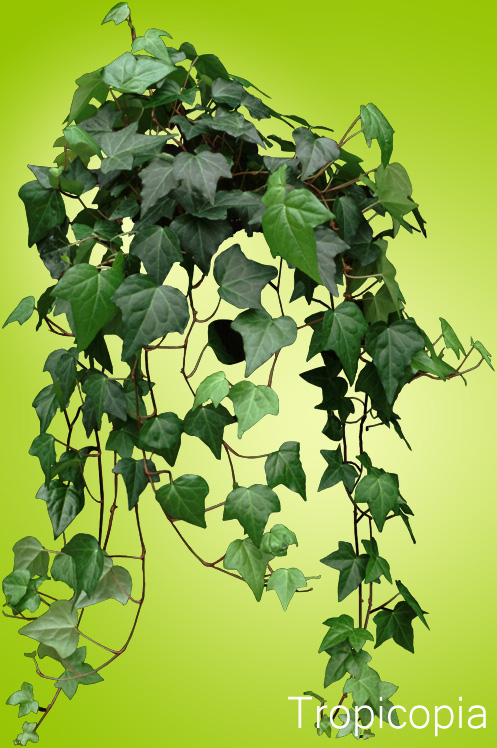
With over 100 cultivars in diverse leaf shapes, sizes, and variegation, English ivy (Hedera helix) adapts to tabletop, hanging basket, wall sconce, or topiary. Favorites include ‘California’, ‘Asterick’, ‘Kolibri’, ‘Algerian’, ‘Gold Child’, and ‘Needlepoint’. NASA confirms its ability to absorb formaldehyde, benzene, and carbon monoxide.
Bright indirect to medium light; water when top inch of soil dries. Cool temperatures (50–70°F) and high humidity deter spider mites. Prune to control growth; propagate easily from cuttings.
Leaves and berries are toxic to pets and children. Keep out of reach.
Eradicating English Ivy Safely for a Child with Autism
Controlling Invasive English Ivy Without Harming Trees
Vacation-Proofing Your Pothos: How to Keep Devil's Ivy Alive for Two Weeks Without Watering
English Ivy Yellow Spots: Spider Mites or Overwatering
Ivy in a Shallow Bonsai Pot: Repot to a Proper Container
English Ivy (Hedera) Care: Light, Water, and Spider Mite Prevention
Swedish Ivy (Plectranthus): Foolproof Trailing Plant for Beginners
Identifying White Hair-Like Growth on English Fern
English Ivy Stem Dieback and Date Palm Soap Burn: Fungicide, Safer Soap, Mite Control
English Ivy Care: Growing Hedera Helix Indoors & Out
Ivy (Hedera helix) Care: Versatile Climber for Indoors and Out
Best Ground Covers to Replace Invasive English Ivy
English Ivy Control: From Manual Removal to Chemical Strategies
Copyright © www.100flowers.win Botanic Garden All Rights Reserved