
Forcing Casa Blanca Lilies to Bloom Early: Energy Cost and Methods
Lily Forcing for a One-Time Display Forcing 250 bulbs 3–4 weeks early is possible but exhausts the bulbs—they likely won’t rebloom next year. Method: cold treatment (6–8 weeks at 35–40°F), then warm greenhouse with high

Beach Heliotrope (Heliotropium anomalum) Recovery and Propagation on Kauai
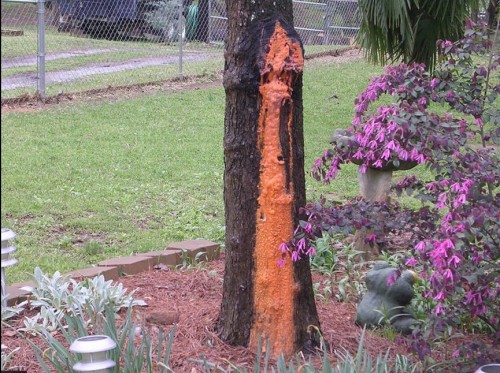
Saving Wind-Damaged Trees and Starting New Ones Weed-whacker bark damage likely girdled the trees. Try wound dressing (e.g., Treekote: cspoutdoors.com). Contact Kauai County Extension: CTAHR. Propagation (UH Method) Un
Japanese Maple Rootstock for Grafting: Sources and Bonsai Context
Finding Acer palmatum Rootstock for Bonsai Grafting For grafting Japanese maples, you need compatible rootstock seedlings (usually A. palmatum or A. japonicum). Source: Pacific Coast Maples – sells rootstock seedlings.
Growing Aspen (Populus tremuloides) from Seed and Understanding Suckering
Aspen Seed Propagation and Clonal Spread Seed Method (Purdue Protocol) Purdue aspen seed protocol – uses 10×20 flats, clear domes, shop lights. Suckering Aspens naturally spread by root suckers, especially after cuttin
Avocado Trees in Pots: When to Stop Repotting and Plant Out
Managing Potted Avocados in Florida (Zone 9-10) Repotting into ever-larger containers (now 32-inch) is unnecessary and stressful. Choose a final large pot (24–30 inch) and stop repotting. Keep tree pruned to 4–6 ft for
Achillea (Yarrow) Seed Germination: Surface Sow, Light Required
Why Your Saved Yarrow Seeds Didnt Sprout Yarrow seeds need light to germinate. Sprinkle tiny seeds on soil surface; press gently—do not cover. Keep at 70–75°F. Germinate in 2–3 weeks. Harvesting Tips Wait for flower
Starting Japanese Fern-Leaf Peony from Seed in Alaska (Zone 3)
Peony Seed Double Dormancy for Cold Climates Sow ½ inch deep; keep warm (70°F) 3 months. Roots grow; no shoots. Seal pots in plastic bags; no light. Move to fridge (35–40°F) for 3 months. Return to warmth; shoots emerge
What Is a Soilless Mix for Cuttings?
Definition and DIY Recipes A soilless mix contains peat, perlite/vermiculite, and sometimes fertilizer—but no mineral soil. It’s sterile, well-draining, and ideal for propagation. DIY recipes: Daves Garden. Commercial
Fig Tree Pollination: The Wasp Question and Better Alternatives
Do You Need Fig Wasps for Edible Figs? Only certain fig types (Smyrna, Calimyrna) require the tiny wasp Blastophaga psenes for pollination. Common figs (Ficus carica) are parthenocarpic—no wasp needed. Your “weed fig” w
Blueberry in a Los Angeles Garden: Pot Culture for Acid Soil
Growing Blueberries in Alkaline LA Soil LA soil is alkaline; blueberries need pH 4.5–5.5. Easiest solution: large container. Use acidic potting mix (peat-based). Water deeply weekly; keep moist. Fertilize with acid-for
Bing Cherry Seed Timing: Stratify in November for Spring Seedlings
When to Stratify Cherry Pits for Best Survival Stratifying now (July) yields September seedlings that will die in winter. Store pits dry until November. Then start 90-day fridge stratification. Seedlings emerge in spri
Bald Cypress (Taxodium distichum) Seedling Care After Germination
Next Steps for Your 12–15 Bald Cypress Sprouts Separate carefully into individual pots. Water regularly; feed half-strength 12-12-12 fertilizer. If winters are harsh: overwinter dormant pots in cold garage/shed, water w
Transplanting Mature Snowball Bushes in September
Moving Large Viburnum opulus Roseum Shrubs Wait until September (cool, moist conditions). Cut back to manageable size. Dig deep to preserve root ball; divide if needed. Replant immediately in larger, deeper hole. Amend
Ginkgo Seed Viability and Sex Determination: Low Odds, Long Wait
Ginkgo biloba Seed Propagation Realities Seed viability is short: a few months at room temp, up to 8 months with special storage. 5-year-old seeds are almost certainly dead. Sex cannot be determined until trees flower (
Cat Palm (Chamaedorea cataractarum) Seed Germination: Wait for Ripe Seeds
Growing Cat Palm from Seed Green seeds are immature; wait for brown/black color. Sow ripe seeds in flats; cover ¼ inch. Germinate at 82–90°F (28–32°C) for 1–3 months. After emergence, reduce heat to 80°F for root devel
Mulberry Tree Fruitlessness: Pollination Needs and Propagation
Why Your Mulberry Has No Berries Some cultivars are self-fertile; others need a pollinator. Many ornamentals are male or sterile selections. Identify variety via leaf/fruit photos (links provided). Propagation Cuttin
Crepe Myrtle Propagation: Layering Runners and Stem Cuttings
Two Ways to Multiply Lagerstroemia Method 1: Simple Layering (Runners) Bend a flexible runner to the ground. Bury a 2–3 inch section 2–3 inches deep; pin with U-staple. Cover with soil; keep moist. Roots form in weeks;
Daylily Post-Bloom Care: Scapes and Foliage Management
What to Do After Daylilies Finish Blooming Remove scapes: Cut flower stalks (scapes) to the ground after blooms fade. Leave foliage: Green leaves photosynthesize, storing energy in rhizomes for next year. Fall cleanup:
Maple Gall Mites: Consult a Tree Expert for Treatment
Gall Mites on Mature Maple: Sticky Honeydew Issue The sugary substance is honeydew from mites/aphids. For a 20+ year maple, treatment options (systemic insecticides, horticultural oil, timing) require professional assess
Can Hardy, Tropical, and Rose of Sharon Hibiscus Cross-Pollinate?
Hibiscus Species Compatibility Hardy hibiscus (H. moscheutos), tropical hibiscus (H. rosa-sinensis), and rose of Sharon (H. syriacus) are different species within the same genus. Hollyhocks (Alcea rosea) are a different
Copyright © www.100flowers.win Botanic Garden All Rights Reserved