

Hard Renovation Pruning for Mature Brown's Yew (Taxus × media 'Brownii')
Browns Yew, like all Taxus species, possesses exceptional regenerative capacity — it can be pruned nearly to ground level and will regrow from latent buds in old wood, unlike most conifers. Renovation Pruning Protocol

Post-Division Care for Transplanted Peonies
Peonies divided and transplanted after flowering in zone 5 (Elgin, IL) should be left intact until fall dormancy — premature foliage removal weakens root rebuilding. Correct Seasonal Care Now through summer: Leave all
Maintaining Pink Hydrangea Flowers Through Soil pH Management
Hydrangea macrophylla flower color shifts from pink to blue as soil pH drops and aluminum becomes available. To maintain pink flowers in Georgias naturally acidic soils requires active pH management. Target Soil Chemist
Rescuing Newly Planted Rose of Sharon from Transplant Shock
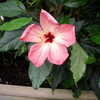
A newly planted Rose of Sharon showing rapid yellowing and leaf drop in early July is in acute transplant shock — a common response to summer planting of container-grown shrubs. Emergency Care Protocol Daily deep water
Understanding Flower Color Variation in Shirobana Spirea
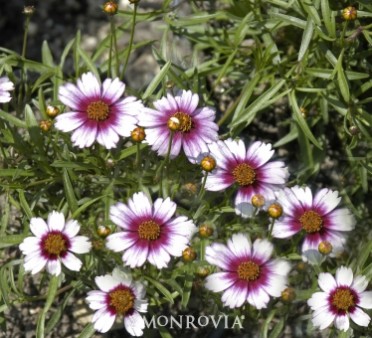
Shirobana spirea (Spiraea japonica Shirobana) producing solid white, solid pink, or mixed-color flowers on different plants is a genetic characteristic of this hybrid cultivar, not a cultural problem. Genetic Basis of C
Comprehensive Photinia Hedge Rehabilitation Program
A 10-year-old Photinia hedge in wet winter conditions showing dieback, black spot, and sparse growth needs a systematic, multi-season approach. Immediate Actions Sanitation pruning: Remove all dead/dying wood. Steriliz
Apple Scab Management in Crabapple Trees
Crabapples losing leaves annually right after blooming are infected with apple scab (Venturia inaequalis) — a fungal disease requiring precisely timed preventive treatment. Critical Treatment Window Fungicide applicatio
Managing Heat Stress in Driveway Rose of Sharon Plantings
Rose of Sharon (Hibiscus syriacus) planted along driveways faces a unique challenge: radiant heat from pavement creates a microclimate 10-15°F hotter than surrounding areas, causing drought stress even with irrigation.
Rehabilitating Hydrangea Damaged by Coal Contamination
Coal dumped on a hydrangeas root zone causes multiple soil problems: pH alteration (typically acidification), heavy metal contamination, physical root suffocation, and microbial community disruption. Soil Remediation St
Understanding Cone Development and Color Variation in Techny Arborvitae
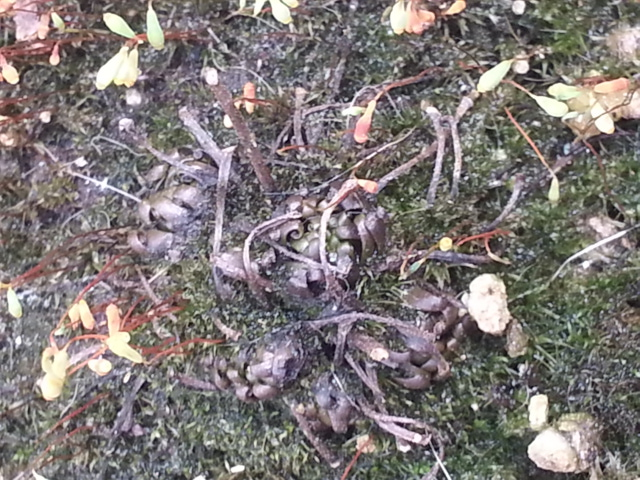
Light green buds covering Techny arborvitae (Thuja occidentalis Techny) in late season are immature seed cones — a normal reproductive stage, not a problem. Color variation between heavily coning and lightly coning plant
Aggressive Annual Pruning for Trumpet Vine Control
Trumpet vine (Campsis radicans) is among the most aggressive woody vines in cultivation — so vigorous that killing it through pruning is virtually impossible. This characteristic makes management straightforward: prune h
Managing Invasive Tree Roots Damaging Structures
Large tree roots (likely mulberry) lifting a front porch and threatening house structure require mechanical intervention — chemical accelerants for root decay are no longer available for consumer use. Effective Root Rem
Peach Tree Borer Fatality in Mature Plum Tree
A 20-year-old Victoria plum tree showing sudden leaf loss, minimal flowering, and gummy amber exudate (gummosis) on the trunk has succumbed to peach tree borer (Synanthedon exitiosa) — a fatal pest of stone fruits. Unde
Reviving Heat-Stressed Rose of Sharon in Containers
A newly purchased Rose of Sharon (Hibiscus syriacus) in a 3-gallon pot showing rapid yellowing and leaf drop in triple-digit temperatures is suffering from compounded heat and transplant stress. Immediate Action Require
Diagnosing Arborvitae Decline from Overwatering and Lawn Fungal Issues
Newly planted arborvitae turning gray and dying, combined with mysterious yellow-to-gray lawn spots, point to two separate but manageable problems. Arborvitae: Classic Overwatering Symptoms Graying foliage in arborvitae
Solving Honeysuckle Flower Blight and Holly Root Competition
Two distinct landscape issues — honeysuckle flowers turning black and brittle, and hollies struggling near maple roots — require different diagnostic approaches. Honeysuckle Flower Blight Blackening, brittle flowers tha
Controlling Hornets on Manhattan Euonymus Without Harming Shrubs
Hornets swarming Manhattan euonymus (Euonymus kiautschovicus) in mid-summer are attracted to the flowers nectar and pollen. While theyre beneficial predators, nests near high-traffic areas pose sting risks. Safe Repelle
Managing Dual Disease Issues in Photinia 'Red Robin'
A declining Photinia Red Robin showing black leaf spots and red, drooping foliage likely suffers from two distinct diseases requiring different management strategies. Black Spot (Entomosporium Leaf Spot) This fungal dis
Proper Timing and Technique for Transplanting Hydrangeas
Transplanting a hydrangea thats still in bloom requires careful timing to minimize stress and preserve future flowering. When to Transplant Wait until flowers fade and the plant enters dormancy — typically late fall aft
Identifying and Treating Spider Mites on Burning Bush
When burning bush (Euonymus alatus) develops spider webbing and browning leaves that spread to adjacent plants, two-spotted spider mites are the likely culprit. These tiny arachnids thrive in hot, dry conditions and on p
Copyright © www.100flowers.win Botanic Garden All Rights Reserved