


Fall Pruning Guide: Which Perennials Should Not Be Cut to the Ground
Most perennials can be cut to the ground after the first frost browns the foliage. However, these shrubs and vines bloom on old wood—severe fall pruning removes next year’s flowers. Prune Selectively (Remove Only Dead Wo

Designing a Butterfly-Friendly Perennial Garden in Northern South Carolina Clay Soil
For a Northern SC garden with heavy clay, wanting purple/blue butterfly-attracting perennials in sun and shade. Soil Amendment (Per 10×10) Rototill 1 foot deep: 4 bags topsoil 4 bags compost (weed-free) 2 bags sand 1 ba
Dividing Rhododendrons and Companion Planting with Blueberries: A Virginia Garden Plan
A gardener in Alexandria, VA wants to divide a large rhododendron and interplant divisions with blueberries. Division Process Timing: Autumn, after leaf drop. Method: Cut shrub back to ground. Dig root ball. Divide into
Why You Should Remove Pokeweed: Invasive, Poisonous, and Hard to Eradicate
Pokeweed (Phytolacca americana) is a native perennial with a thick taproot, poisonous berries, and aggressive self-seeding. Why Remove It Toxic berries – Dangerous to children and pets. Invasive – Spreads rapidly by bir
Late-Season Perennials for Zone 6: Blooms from August to October
A coastal Massachusetts (Zone 6) garden peaks in June–August but fades early. These perennials extend the show: Chrysanthemums – Classic fall color. Asters – Daisy-like flowers in purple, pink, white. Sedum / Stonecrop
Caring for Tropical Hibiscus Over Winter: What to Expect Indoors
Three potted tropical hibiscus brought indoors for winter will enter semi-dormancy. Expected Changes Leaf drop. Reduced or no blooming. Generally “unhealthy” appearance. Care Rules Don’t overwater. Water only when soi
Transplanting Clematis in Fall: Tips for a Successful Move to Kentucky
Moving 4-year-old clematis (sweet autumn and hybrids) to Kentucky in November requires careful handling. Procedure Cut vines back, leaving ~6 inches of stem. Dig carefully to preserve as many roots as possible. Divide i
Overwintering Potted Tropical Hibiscus in Chicago: Indoor Care Guide
A potted hibiscus bought in spring in Chicago is almost certainly tropical and cannot survive winter outdoors. Indoor Care Location: Bright, sunny window or sunroom (3–4 hours direct sun minimum). Water: Reduce frequenc
Fall Pruning and Mulching Clematis in Zone 5b: What to Do Now
For a clematis in Trenton, Ontario (Zone 5b) that bloomed late summer and spread well: Pruning Light prune now to remove dead growth and tidy shape. Avoid heavy pruning; this group blooms on old wood. Mulching Apply 4
Is Lemongrass Perennial in Indianapolis? Overwintering Tips for Zone 5/6
Lemongrass (Cymbopogon citratus) is a tender perennial hardy only in Zones 10–11. In Indianapolis (Zone 5/6), it will not survive winter outdoors. Grow as an Annual or Container Plant In ground: Treat as an annual; repl
Creating a Low-Maintenance Flower Bed: Weed Barrier Method with Black Plastic
For a 10×50 ft bed on existing grass, this method minimizes future weeding. Step-by-Step Spray entire area (including future edging) with a season-long grass/weed killer. Cover with black plastic (heavy-duty, like paint
Birds Stealing Mulch: Nest Building or Foraging? How to Coexist
Birds scattering mulch around trees in early spring are likely gathering nesting material, not hunting insects. This is normal seasonal behavior. Management Options Provide a bird feeder – May reduce foraging but won’t
Saving a Dipladenia (Mandevilla) with Yellowing Leaves After Bringing Indoors
Dipladenia (Mandevilla sanderii) is a tender tropical often grown as an annual in Zone 6 (Portland, OR). Bringing it inside for winter causes leaf yellowing and drop due to lower light and humidity. Care Indoors Bright
Can You Plant Pansies in January? Unseasonably Warm Weather in Maryland
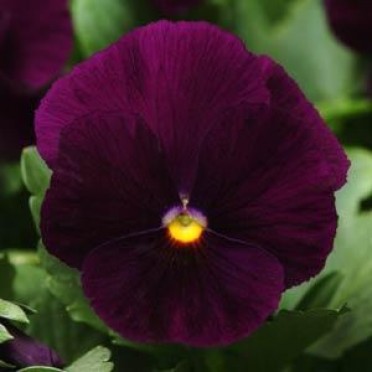
In Maryland (similar climate to Kansas City), leftover fall pansies may bloom during a warm January, but they won’t perform well until steady spring temperatures arrive. What to Expect Small, sporadic blooms now. Real s
Dividing Miscanthus Grass and Cannas: Timing and Techniques for North Texas
A North Texas gardener wants to divide large clumps of Miscanthus Silberfeder and cannas in spring. Cannas (Easy) Dig up tubers. Slice into sections, each with at least one growing point. Replant shallowly in full sun.
Why Your Potted Hibiscus Isn't Blooming: Light and Temperature Needs
A hibiscus in a 5-gallon pot, cut back 3 years ago, with healthy green growth but no flowers, kept indoors in partial sun, is almost certainly a tropical hibiscus. What It Needs Warm outdoor temperatures to break dorman
Identifying a Mystery Plant from a Historic New Zealand Garden
A plant from a German immigrant’s post-war New Zealand garden has the gardener stumped. Description: 60 cm tall, thin tapering leaves, white-to-rich-pink flowers with a bladder-like calyx at the back. Information Needed
Transplanting Water Iris to Dry Land: Moisture Requirements and Care
Most pond iris—Japanese iris, Virginia iris, Louisiana iris—adapt well to garden beds if their moisture needs are met. Transition Tips Plant at pond edge or in a consistently moist, even soggy, area. Amend soil with org
Growing White Bird of Paradise in San Jose: Winter Protection and Drainage
White bird of paradise (Strelitzia nicolai) is borderline hardy in San Jose. Cold winters and heavy rain are the main threats. Key Requirements Well-drained soil – Standing water causes root rot. If the site stays soggy
Identifying Heirloom Dianthus (Pinks): Finding the Fragrant Red Varieties of the 1960s
The small, double, carnation-red, intensely fragrant “pinks” grown in the 1960s are Dianthus cultivars, likely biennial types that form foliage the first year and bloom the second. Seed Source Thompson & Morgan (UK-based
Copyright © www.100flowers.win Botanic Garden All Rights Reserved