

Pink Jasmine Leaf Blight in Wet Weather: Diagnosis & Rescue Plan
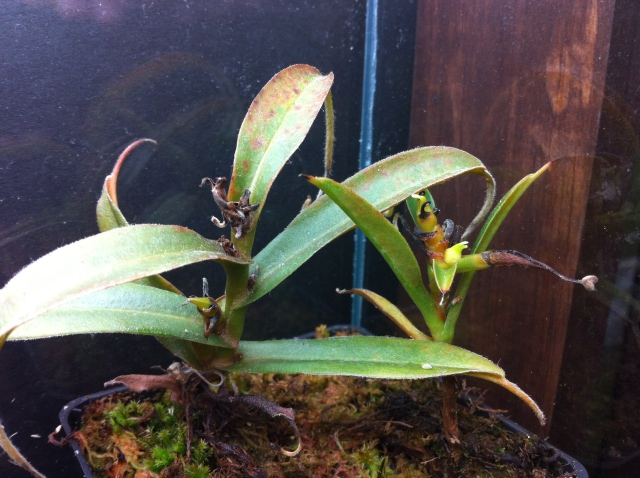
Fungal Leaf Blight: Cercospora & Alternaria Constant rain on a balcony in San Jose (Zone 9b/10a) creates perfect conditions for jasmine leaf blight. Symptoms: curling, drying leaves spreading from bottom up; poor bud dev

Growing Liriope from Berries: Seed Prep, Sowing & Patience
Liriope vs. Monkey Grass: Know Your Seed Liriope muscari (lilyturf) produces black berries. Monkey grass / Mondo grass is Ophiopogon japonicus—different genus, similar look. Both are lilies, not grasses. Germinating Lir
Starting Tomato Seeds Too Early? How to Manage Leggy Seedlings
Timing Is Everything: 8–10 Weeks Before Last Frost Starting tomatoes on January 2 for mid-April planting (Zone 5/6) is 14–16 weeks early—too soon unless you have a heated greenhouse or strong grow lights. Why Early Star
Revitalizing Carnations & Dianthus: Clean Up, Feed & Mulch for Lush Blooms
Spring Renovation for Perennial Dianthus Carnations and large pinks (Dianthus) need annual hygiene and feeding to stay compact and floriferous. Step-by-Step Spring Routine Remove all dead foliage – Cut back to the cr
Evergreen Hydrangeas for Year-Round Screening: Options & Alternatives
The Short Answer: True Evergreen Hydrangeas Are Rare & Large The only evergreen species is Hydrangea seemannii, a climbing lacecap from Mexico that reaches 30+ feet—unsuitable for a window-side planting in Northern Calif
Growing Liriope spicata from Seed: Sources & Germination Tips
Finding Seed for Creeping Lilyturf Liriope spicata (creeping lilyturf) spreads aggressively by rhizomes, so its usually sold as divisions. Seed is less common but available from specialty sources. Where to Buy HardyP
Controlling Spiky-Seeded Weeds in Shrub Beds: Spot-Treatment & Pre-Emergent Options
Targeted Weed Control Around Carolina Cherry & Bottlebrush The weed described (grassy, pea-sized spiky seed heads) sounds like sandbur (Cenchrus spp.) or burgrass—annuals that germinate in spring and plague bare soil. I
Planting Forced Tulip Bulbs After Bloom: Can They Recover?
The Reality of Forced Tulips Gift-pot tulips are forced—chilled artificially, then warmed to bloom out of season. This exhausts the bulbs energy reserves. Many die after flowering, but some rebound if handled correctly.
Growing Peonies in Containers: Success Secrets for Potted Paeonia
Yes, You Can—But It Demands Specific Conditions Herbaceous peonies have massive, fleshy root systems and are heavy feeders. Containers must accommodate this. Essential Requirements Large pot: Minimum 18–24 inches wid
Revitalizing 30-Year-Old 'Procumbens Nana' Juniper Ground Cover
Aging Juniper Mats: Common Issues & Solutions Juniperus procumbens Nana forms dense, long-lived mats. After 30 years, dull color, slow growth, and dead spots indicate nutrient depletion, compaction, or interior shading—n
Elephant Ears & Bird of Paradise After a Florida Freeze: Will They Return?
Tropicals in Northwest Florida: Resilience After Cold In the Florida Panhandle (Zone 8b/9a), the ground rarely freezes deeply. Elephant ears (Colocasia/Alocasia) and white bird of paradise (Strelitzia nicolai) often die
Pruning English Lavender After a Harsh Winter: Timing & Technique
Dont Despair—Lavender Recovers from Winter Damage In Berwickshire (UK Zone 8a), English lavender (Lavandula angustifolia) often suffers winter dieback. Blackened twigs with green growth beneath are normal. The plant is a
Knock Out Rose Roots & Septic Systems: Safe Planting Distance Guide
Root Behavior of Knock Out Roses Knock Out roses (Rosa Radrazz series) are shrub roses with relatively shallow, non-invasive root systems—typically 12–18 inches deep, spreading laterally to about the canopy width. They l
Dividing Stella d'Oro Daylilies: Simple Steps for More Blooms
Why & When to Divide Stella dOro daylilies (Hemerocallis Stella de Oro) become crowded after 3–5 years, leading to fewer flowers and weak rebloom. Division restores vigor and gives you free plants. Best Time Early sprin
Designing a Sunny Perennial Border in Seattle: 30+ Plant Ideas for a 30x4 ft Raised Bed
Long, Narrow, Sun-Drenched: Perfect for Layered Perennials A 30 ft × 4 ft raised bed in full sun (Seattle, Zone 8b) is ideal for a double-layered border: taller plants (2–3 ft) at the back, shorter (1–2 ft) in front. Her
Designing a Clematis Trellis System: Planter Sizing, Spacing, and Zone 7 Winter Survival
A Virginia gardener (Zone 7) plans a 10′ wide × 6′ high wire trellis atop a deck railing for clematis, using large planters. Questions: winter freezing risk in pots, optimal planter dimensions, and number of plants neede
Calla Lily Color Shift: Why Red Blooms Turned Yellow-Pink and How to Restore Vigor
A potted red calla lily (Zantedeschia) produced four true red flowers, then five subsequent blooms opened pale yellow with pink edges. The indoor grower in New Jersey asks why the color changed, whether fertilizer or lig
Saving Tropical Hibiscus Indoors: Leaf Drop, Yellow Fungus, and Root Rot Solutions
Three tropical hibiscus trees, moved indoors for winter in western North Carolina, are suffering: massive leaf drop, bright yellow fungal growth on soil, and one plant with half its stems rotted and pulling free. The own
Perennial Cutback Calendar: Spring vs. Fall Pruning for Healthier Gardens
A gardener with newly planted perennials—including zinnias, daisies, and pincushion flower (Scabiosa columbaria)—asks for a general rule on whether to cut back in fall or spring, and how far to cut each type. The Great
Yucca Aloifolia Winter Survival: Snow, Rot, and Recovery Strategies
Two mature Yucca aloifolia plants, thriving for six years after casual planting, now show severe crown droop after a snowy winter. The gardener, located in an unspecified zone, asks whether the plants will rebound or req
Copyright © www.100flowers.win Botanic Garden All Rights Reserved