


Galangal (Alpinia galanga), also called gao liang, East Indian root, or Chinese ginger, belongs to the ginger family. Native to China, introduced to Europe in the 9th century, this tropical herb reaches 2 meters with blade-like leaves, greenish-white flowers with dark red veined tips, and red berry-like fruits. The orange-brown ringed rhizome is the medicinal part.
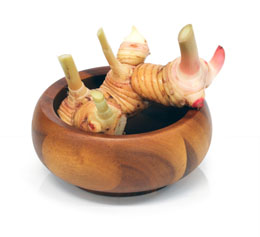
Side effects are rare but possible. Consult a healthcare provider if on medications or experiencing adverse effects. Available fresh at supermarkets/farmers' markets, as root at herbal stores, as oil for aromatherapy, and online.
Disclaimer: This article is for informational purposes only and not a substitute for professional medical advice.
Sage Herb: Culinary Star, Garden Beauty & Medicinal Powerhouse
Pandan Leaves: Southeast Asia's Aromatic Culinary & Medicinal Treasure
Eyebright Benefits: Natural Eye Care, Memory, Liver & Skin Support
Meadow Sage (Salvia pratensis): Medicinal, Culinary & Garden Beauty
Marshmallow Root: Traditional Uses, Health Benefits, and Precautions
Ayurvedic Herbal Medicine: Key Botanicals, Principles, and Modern Applications
Herb Folklore: Traditional Uses & Natural Remedies from History
Growing a Successful Herb Garden: Site Selection, Care, and Variety Guide
Hydroponic Herb Gardens: Year-Round Fresh Flavor Indoors
Angelica Herb: Digestive Aid, Respiratory Relief & Women's Health Ally
Common Herbs for Smudging: Sage, Sweetgrass, Frankincense & Native American Traditions
Comprehensive Herb List: Culinary & Medicinal Uses from Angelica to Tarragon
Rhodiola Rosea: Adaptogenic Benefits for Stress, Energy, and Cognitive Function
Herbal Supplement Risks: Bleeding, Interactions, Hepatotoxicity, and Quality Concerns
Copyright © www.100flowers.win Botanic Garden All Rights Reserved