


When your Drosera aliciae has produced multiple crowns, you can separate them into individual pots once the new shoots are well developed. Wait until the plantlets have a decent root system; tiny seedlings are too fragile to transplant successfully. If they separate easily, pot each in its own container with a standard carnivorous plant mix.
The same principle applies to Drosera capensis. Separate only when the divisions are robust enough to handle the move. A good rule of thumb: if you can gently tease them apart without tearing roots, they’re ready.
For Nepenthes ventrata and N. sanguinea, pitchers naturally brown and die off as they age. You can trim them at any time of year—spring, summer, autumn, or winter—once they’re fully brown and dry. Cutting green pitchers prematurely deprives the plant of nutrients still being absorbed.
Regarding outdoor placement: both species thrive in bright, indirect light. A garden spot with morning sun and afternoon shade works well. Avoid full, harsh afternoon sun, especially in hot climates. If you live in a region with cold winters, bring them indoors or provide protection when temperatures drop near freezing.
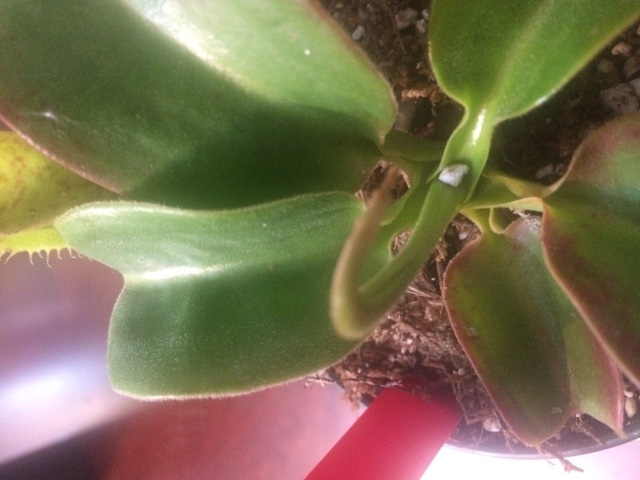
Using Bonide Systemic Granules for Fungus Gnat Larvae in Nepenthes and Cephalotus
Caterpillars on Pitcher Plants: Bayer Rose & Flower Spray Is Safe and Effective
Growing Temperate Sundews Outdoors in Zone 7: Pros and Cons
Lucky Bamboo Transition from Water to Soil: Remove Stones, Downsize Pot
Plants That Thrive Under a Littleleaf Linden in Wisconsin Shade
Protecting Container Plants from Frost in the San Francisco Bay Area
Watering Vegetable Gardens: Chlorine, Rainwater, and Timing Best Practices
Perennial Care Guide: Disease Prevention, Watering, and Seasonal Maintenance
Hydroponics Basics: Your Questions Answered
Best Indoor Plants for Year-Round Greenery and Easy Care
Gardening Basics: Types, Scales & Getting Started
Plants for the Pergola: Climbers for Season-Long Romance & Color
Copyright © www.100flowers.win Botanic Garden All Rights Reserved