

Tree or Weed? Identifying a Fern-Like Volunteer in Philadelphia
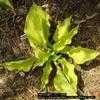
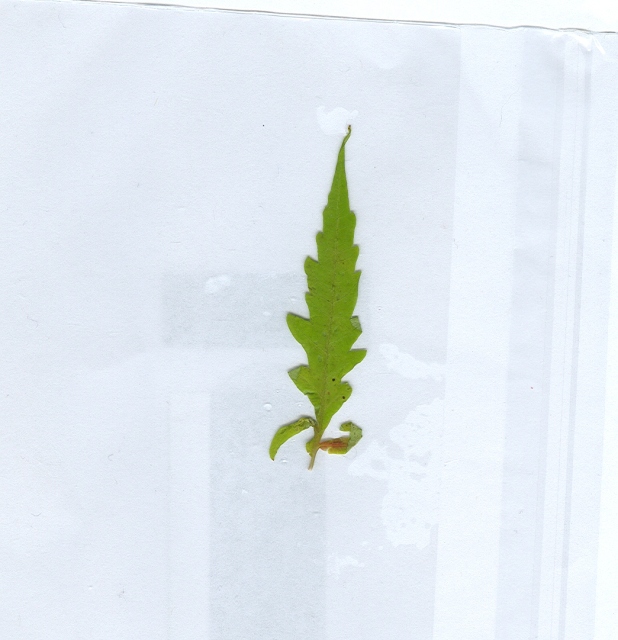
You have a 2-foot volunteer with fern-like leaves, gold/red fall color, fuzzy brown bark, and runner roots. Neighbor has a 6-foot version. In Philadelphia, this is likely staghorn sumac (Rhus typhina) or tree-of-heaven (


How to "Copy-Paste" a Low-Growing Grass Patch Across Your Lawn
Youve found patches of grass that stay short without mowing—a low-maintenance dream. You want to spread it everywhere. First: confirm its a different species, not just a site condition. Then: transplant it like sod. Dia
Identifying That Strange "Egg" in Your Lawn: It's a Slime Mold
Your kids found something that looks like a broken egg in the lawn—clear slime, yolk-like center, brain-like roots. It appeared overnight after mowing. Dont panic. Its a slime mold (likely Fuligo septica, dog vomit slime
Why December Sodding of Floratam in North Port, FL Is Risky
Youre in North Port, FL (Zone 9b), full sun, professional install. You want Floratam St. Augustine sod in December. Short answer: wait until Valentines Day. Heres why. What Happens When You Sod St. Augustine in Winter
Choosing Between Zoysia and Floratam St. Augustine for a New Lawn
First-time homeowner, first lawn decision: Zoysia vs. Floratam (St. Augustine). You want winter color, fast spring green-up, and have irrigation plus a pro maintenance crew. Heres the breakdown. Quick Comparison Factor
Reviving St. Augustine Sod That Dried Out After Installation
You laid St. Augustine sod in Houston, didnt water enough, and now its brown at the edges with some green remaining. Daytime temps in the 50s–60s. Good news: St. Augustine is tough, and cool weather buys you time. Heres
Growing Grass in Gravel: Options for a Desert Utah Yard
Youve bought a home in the Utah desert surrounded by gravel. You want grass—but do you need to remove all that rock first? And what grass survives in gravel, heat, and low water? Lets break it down. First: Assess Water
How to Encourage Moss to Spread in Your Lawn
Most homeowners fight moss—but you want more of it. A moss lawn offers a lush, carpet-like groundcover that stays green year-round in shade, requires no mowing, and feels incredible underfoot. If your moss is spreading t
Fixing a Sticky Primer Bulb on a Refurbished Lawn Mower
Youve just bought a refurbished mower, primed it, pulled the cord—and nothing. The primer bulb feels sticky and leaves a smelly residue on your finger. Before you assume the engine is shot, know this: a faulty primer bul
Transitioning from Fescue to Bermuda Grass in Central Virginia
If youre a homeowner in Central Virginia struggling with a fescue lawn that goes dormant every summer, youre not alone. A south-facing, full-sun lawn with clay soil and no irrigation system is a recipe for fescue failure
Using Sugar to Suppress Wild Onions in Lawns: Myth, Method, and Realistic Expectations
The idea of using sugar to control wild onions (and other weeds) circulates in organic gardening circles. While not a herbicide, sugar can play a role in long-term soil health management—but it requires patience and real
Scotts Halts vs. Scotts Halts with Fertilizer: Choosing the Right Pre-Emergent Product
Many homeowners confuse standalone pre-emergent herbicides with combination fertilizer-pre-emergent products. Understanding the difference ensures you apply the right product for your lawns needs. Two Distinct Products
Accidental Preen Application on St. Augustine Grass: Risks and Recovery Steps
Applying Preen Weed Preventer (containing dithiopyr) to St. Augustine grass is concerning but not necessarily catastrophic. Dithiopyr is a pre-emergent herbicide that inhibits root development in germinating seeds—and un
Controlling Dollarweed in St. Augustine Lawns: Water Management and Professional Solutions
Dollarweed (also called pennywort) thrives in overly moist conditions, making it a common nuisance in St. Augustine lawns—especially in humid regions like Southwest Florida. If atrazine applications havent worked, the pr
If youve shopped for lawn fertilizer recently, youve likely noticed a common trend: the middle number in the N-P-K ratio (phosphorus) is often zero. Products like 30-0-3 have replaced traditional blends such as 30-4-3. T
Two Methods to Kill Weeds and Establish Grass on Large Areas
For a large weedy area, the expert presents two approaches: Rototill deeply to turn soil completely over, burying weed seeds and tearing up plant material. Rake and level, then lay sod immediately, jamming pieces tight
Sugar for Nutgrass Control: Expert Clarifies Misattribution
A homeowner asks if sugar, suggested for nutgrass, will harm roses and irises. The expert denies ever recommending sugar for weed control. They explain weed control products are dose-dependent: at correct rates they targ
Managing Oak Seedlings in Freshly Sodded Lawn
Acorns missed during cleanup are sprouting in newly laid sod. The expert notes two scenarios: seedlings emerging through sod pieces (sod too thin) or popping up in seams (sod not tightly joined). For the first, regular m
Chinch Bugs, Low pH, and Lawn Recovery in Atlanta
An Atlanta homeowner with St. Augustine grass has battled chinch bugs for years. After a severe drought, 75% of the lawn is gone despite re-sodding twice. Soil pH is 5.2. The yard is full of weeds after a mild winter. Th
Starting Over: Eliminating Weeds to Establish a New Lawn
A yard covered in henbit, clover, and other weeds needs a complete reset. The expert outlines the process: reduce weeds, install or check irrigation, then sod or seed. Roundup (non-selective, post-emergent) is recommende
Copyright © www.100flowers.win Botanic Garden All Rights Reserved