


Recurring St. Augustine Fungus: Get Accurate ID, Then Targeted Treatment
Repeated fungicide failure means misdiagnosis or misapplication. Pay your County Extension Agent for lab ID — theyll prescribe the correct chemical and application protocol. Suppression isnt cure; accurate ID saves money

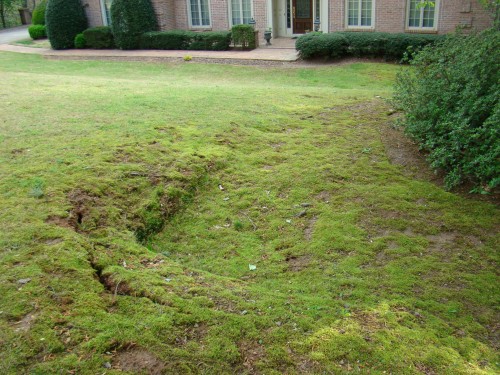
New Sod Stays Mucky Despite Minimal Watering: Hunt for Hidden Water Source
5 minutes twice weekly cant cause mucky sod. Check for irrigation leaks (shut off system, watch for drying), house supply leaks, or natural springs. Water is coming from somewhere — find the source before the sod rots.
Fescue in Shade and Seed Purity: Federal Law Allows "Impurities"
Fescue shade tolerance varies by variety. The Federal Seed Act requires purity, noxious weed, and germination tests — but field-grown seed always contains some other crop and weed seeds. 100% pure Bermuda (or any grass)
Thin Grass Under Silver Maples: Raise Mow Height, Fertilize Smart
Three silver maples create increasing shade as the season progresses. Dont remove trees. Raise mowing height to capture more light. Fertilize spring with 50% slow-release N, K at least half of N. If grass tillers, fertil
Controlling Witch Grass (Panicum) in Lawns: Pre-Emergent Strategy
Witch grass is a true grass; no selective post-emergent exists for lawns. Mow frequently to prevent seeding. Apply pre-emergent before soil hits 70°F in spring. Water it into the top soil layer, then minimize irrigation
Preparing Ground for St. Augustine Sod in Jacksonville
St. Augustine sod needs 3-6 inches of tilth (rototilled to popcorn-sized crumbs), organic matter (compost, Milorganite, Black Kow), and reliable irrigation. Rototill in multiple directions, let soil dry between passes. A
Accidental Weed Killer on New Sod: Assess Damage, Spot-Repair
Glyphosate (weed/grass killer) damage appears patchy. Watch for sections browning faster — those got the heaviest dose. Spot-resod only the worst areas. Full recovery is unlikely where spray was thorough.
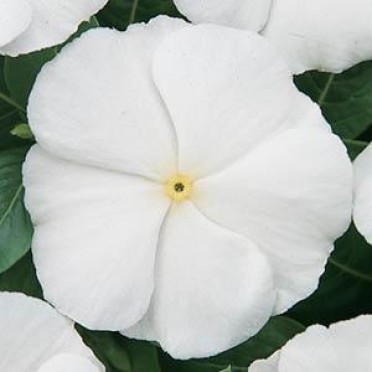
Vinca Reseeding: Leave or Remove After Frost?
Vinca (periwinkle) self-sows readily, but seedlings vary from the parent. For uniform color and habit, remove old plants after frost and replant fresh starts. If you value genetic diversity and dont mind variation, let s
Unidentified Fungal Growth on Lawn: Could Be Insect Egg Mass
The photographed growth doesnt match common lawn fungi. It resembles a spittlebug mass, spider egg sac, or insect pupal stage. Without microscopic ID, avoid fungicides. Monitor; if its insect-related, it will hatch and d
Growing Ryegrass in Vases for Wedding Centerpieces
Ryegrass needs darkness, warmth, and moisture to germinate. After planting in vases (rocks, soil, seed), cover with opaque fabric for 2-3 days in a warm spot. Uncover once shoots emerge. Use watertight containers and qua
Deterring Snakes Naturally: Habitat Modification Over Chemicals
No spray reliably repels snakes. Instead, make your yard less attractive: remove debris piles, seal foundation gaps, control rodents (snake food), and encourage dog activity — their scent and presence deter snakes. Human
Small Dirt Mounds in NC Yard: Likely Tiger Beetle Larvae, Not Wasps
Coffee-cup-sized mounds with pencil-width holes in central NC, reappearing daily, match tiger beetle larvae behavior. These beneficial predators dig vertical burrows, wait at the entrance for prey, and retreat instantly
Kentucky Bluegrass in Orlando? Better Alternatives for Florida Heat
Kentucky bluegrass fails in Orlandos heat — its adapted only to the transition zone (NC to TX panhandle) and requires massive irrigation in the South. Better warm-season choices: Bermuda (drought-tolerant, fine texture),
Mower Blade Pitch: Factory Tilt Is Intentional Design
Riding mower decks are designed with a front-to-rear tilt (typically ¼-¾ inch higher in front). This isnt a defect — it ensures even cutting over uneven ground. Set all four deck wheels to the same height notch; the buil
Crabgrass Preventer Timing: Soil Temperature Trumps Calendar
Apply pre-emergent when soil hits 50°F consistently (often coinciding with forsythia or crocus bloom). Expect ~6 weeks control; heat and rain shorten it. Water after application to move chemical into the germination zone
Organic Baseball Infield Care: Sugar, Baking Soda, and Realistic Expectations
Bermuda grass on infields is desirable turf, not a weed. Sugar feeds soil microbes but lacks research as a primary fertilizer or nutsedge control. Baking soda has limited fungicidal proof. Organic programs work but requi
Watering Schedule for Overseeding Winter Rye: Light, Frequent, and Responsive
Rye germination (7-14 days) demands constant surface moisture without washing seeds away. Water lightly multiple times daily, adjusting for soil type (sand dries faster) and weather. Probe soil daily; the top ½ inch must
How Grass Thickness Affects Water Absorption and Conservation
Thicker grass slows waters journey to roots: rain wets blades first, then trickles down through thatch and runners before reaching soil. This delays runoff, reduces erosion, and increases infiltration — a key ecosystem b
Overseeding Dead Patches in Toronto: Too Late for Fall, Plan for Spring
In Torontos climate, mid-fall overseeding rarely establishes before winter. Energy is better spent diagnosing the cause of brown patches (compaction, shade, disease, insects) and correcting it for a successful spring see
Darkening Grass and Animal Holes: Likely Insect Foraging
Grass darkening (dying) with nightly animal holes suggests armadillos or birds digging for insects. The insects — likely grubs or other soil pests — are the primary problem; animals are just the symptom. Confirm Insect
Copyright © www.100flowers.win Botanic Garden All Rights Reserved