
Fixing Weed‑and‑Feed Timing for Dandelion and Chickweed Control
Why April Weed‑and‑Feed Missed the Mark Scotts weed‑and‑feed applied in April on a cool‑season lawn typically fails because broadleaf weeds like dandelions are not yet actively translocating energy to roots. The herbicid

Grub Control Timing and Managing Animal Damage in Michigan Lawns
Understanding the Grub Cycle Skunks and raccoons tearing up a 10×20 ft lawn area in early spring indicate they are feeding on mature grubs. The homeowner applied Scotts GrubEx early, but the product’s label suggests July
Eradicating a Stubborn Vine Weed in Daylilies with Glyphosate
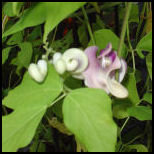
The Challenge A single strand of an aggressive, milky‑sapped vine survived a move and now infiltrates Stella de Oro daylilies on both sides of a stairway, running underneath the steps. Hand pulling fails because the vine
Taming a Tenacious Vine Weed and Building a Better Flower Bed
Identifying and Eliminating a Persistent Vine A homeowner describes a frustrating vine that hitched a ride during a move and now grows among Stella de Oro daylilies on both sides of a front entry, even tunneling under th
Overseeding Guide for Toronto Lawns
Overseeding vs. Reseeding Overseeding: broadcasting seed over existing lawn to thicken. Reseeding: preparing bare spots individually. Bare Spot Repair Loosen top 3-5 soil Mix in compost/potting soil (golden rule: 1-2 c
Sugar Program for St. Augustine: Rates, Weeds, and Clay Soil
Application Details Rate: 1 lb sugar/250-300 sq ft (≈3.3-4 lbs/1000 sq ft) Timeline: 3 weeks for visible weed reduction; Year 3-4 for near-zero emergence Method: Broadcast dry, water deeply Mystery Weed: Johnsongrass
Standing Water Solutions: Drainage vs. Soil Amendment
Spike Aeration Insufficiency Spike shoes penetrate 2-3 inches; restrictive clay layers often at 12+ inches creating bathtub effect. Progressive Solutions Soil amendment: Dig 18, mix 20% compost by volume, reseed Draina
Fixing Low Spots with Standing Water
Simple Soil Solution Standing water kills grass by oxygen deprivation. Spike aeration fails—it doesnt reach restrictive clay layers. Effective Repair Fill low spots with 2 parts Landscapers/Planters Mix + 1 part topsoi
Comprehensive Weed Management for Michigan Lawns
Three Weed Categories, Three Strategies 1. Grassy annuals (crabgrass, foxtail): Preemergent early April (fertilizer + crabgrass preventer). Dry lawn, water in. 2. Perennial grasses (quackgrass, nutsedge): Hand removal or
Cedar Trees, Moss, and Lime: Separating Fact from Fiction
Shade vs. Acidity Cedar needles add acidity, but dense shade—not pH—is the primary grass killer. Conifers create conditions where grass fundamentally cannot thrive regardless of pH. Moss Diagnosis Moss indicates: excess
Sugar Safety for St. Augustine Floratam
Zero Risk to Any Grass Sugar contains nothing harmful to plants. It exclusively feeds beneficial soil microbes. St. Augustine Floratam responds excellently—thick, dark green, weed-free without herbicides for 6+ years. P
Sugar and Ants: Myth vs. Reality
Watering In Prevents Ant Attraction Sugar dissolved and leached into soil profile doesnt attract ants. Surface granules might briefly, but irrigation eliminates this. Long-term: sugar builds predator populations (toads,
Granular vs. Liquid Lawn Products: Application Strategy
Rotary Spreader Advantages Granular applications via rotary spreader offer superior control, uniformity, and cost-effectiveness for most homeowners. Liquid requires precise calibration, drift management, and expensive eq
Shade Gardens: When Grass Simply Won't Grow
Grass Limitations in Deep Shade Even shade-tolerant fine fescues need 2-4 hours direct sun. North sides of tall fences in Nottingham often fall below this threshold. Fighting biology wastes resources. Shade Garden Alter
Controlling "Lawn Ivy" with Non-Selective Herbicide
Identification and Challenge Lawn ivy (likely ground ivy/creeping charlie) resists selective broadleaf herbicides in weed-and-feed products. Its waxy leaves and creeping habit make it particularly persistent. Effective
Complete Lawn Renovation Guide for Southern Maine
Optimal Timing August 15 - September 15 for seeding. Sod can extend later. Spring seeding fails in summer heat. Grass Selection Sun: Kentucky bluegrass blend Shade: Turf-type tall fescue 7-Step Renovation Process So
Dollarweed Domination: Sprinkler Systems and Soil Solutions
Sprinkler Systems: The Hidden Culprit Daily light irrigation from sprinkler systems creates perfect dollarweed conditions: constant surface moisture, shallow grass roots, anaerobic soil. Neighbors without systems have de
Sugar Application for Dollarweed: Dry vs. Dissolved
Dry Application Preferred Broadcast granulated sugar dry, then water in deeply. Advantages over dissolved: Easier handling (grocery store bags vs 40-lb molasses bags) No sprayer clogging Same cost, same results Watering
Sugar Soil Amendment: Complete Application Guide
What Sugar Does (And Doesnt) Sugar is NOT fertilizer. It feeds beneficial soil microbes that: Decompose organic matter into plant-available nutrients Improve soil structure and porosity Suppress pathogens via competitio
Diagnosing Leaf Spot in Kentucky Bluegrass
Symptom Match: Leaf Spot Round 3-4 inch spots, brown tips with green bases, no distinct bands = classic leaf spot (Helminthosporium) in Kentucky bluegrass during cool, wet springs. Immediate Cultural Corrections Nitrog
Copyright © www.100flowers.win Botanic Garden All Rights Reserved