


Why Earthworms Appear on Sidewalks After Rain and When to Worry
Normal Variation Earthworm populations vary greatly between lots based on soil care history. High numbers indicate fertile, well-aerated soil—a good sign. Why They Surface Soil saturation: Heavy rain or overwatering dr

Identifying and Managing Lawn Rust Disease in Michigan
Symptoms Orange-yellow powder on grass blades, shoes, and mower = rust fungus. Common on Kentucky bluegrass, ryegrass, fescue in late summer/fall. Causes Low nitrogen (slow growth). Drought stress or excess rain leachi
Fall vs. Spring Sod Installation: Why Autumn Is Ideal in New York
Do It Now (Fall) Cooler temperatures reduce stress. Plants enter dormancy, focusing energy on root growth. Nurseries discount stock 50%+. Installation Over Existing Grass Mow old lawn very low. Lay sod directly on to
Managing Mulberry Tree Seedlings in the Lawn
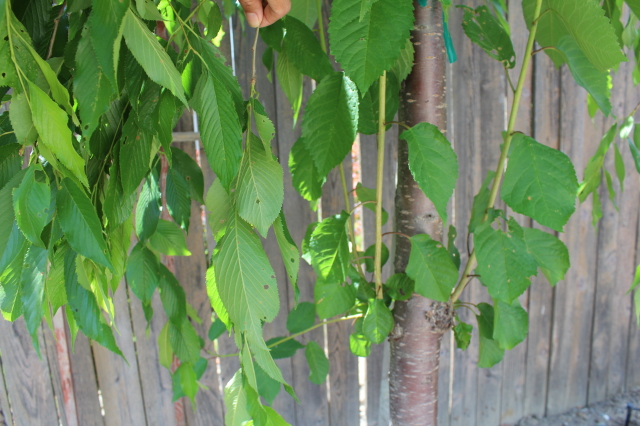
Why They Persist Mulberry seedlings germinate from bird-dispersed seeds annually. Winterizer/weed-and-feed gives only short-term spring control. Control Strategy Mow high (2.5–3 in) frequently to shade out seedlings. P
How to Regrade a Lawn to Prevent Basement Flooding
Grading Standards Final slope: 1–2% away from foundation (1–2 ft drop per 100 ft). Remove all debris, rocks, and construction wood (causes future mushrooms). Eliminate depressions and high spots. Soil Preparation Rot
Fall Lawn Care at High Elevation: Mowing Height and Mole Control
Mowing Height Maintain the same height year-round (3–3.5 in). Cutting shorter or longer before winter offers no proven benefit; consistency promotes root health. Mole Control Trapping is the only reliable method. Hire
Establishing a Winter Ryegrass Lawn Over Dormant St. Augustine in Arizona
Overseeding Steps Scalp St. Augustine low (1–1.5 in) in early October. Verticut or slit-seed for soil contact. Apply perennial ryegrass seed at 10–15 lb/1000 sq ft. Top-dress lightly with compost or fine mulch. Water 3–
Why Crabgrass Killers Fail and an Organic Alternative Using Sugar
Chemical Failures Post-emergent crabgrass killers (like Scotts) often damage surrounding turf and dont prevent next years seeds. Crabgrass thrives in poor soil. Sugar Program Broadcast sugar at 1 lb/250–300 sq ft now;
Identifying a Thorny, Three-Leaved Plant: Poison Ivy or Something Else?
Key Distinction Poison ivy has three leaflets with jagged edges and turns red in fall, but it does not have barbs or thorns on stems. Your plants barbs suggest a different species (possibly a bramble or smilax). Safe Re
Controlling Wild Strawberries in a Fescue Lawn
Treat as Broadleaf Weed Wild strawberry is a broadleaf perennial. Control options: Hand-pull: Remove as much root as possible. Broadleaf herbicides: 2,4-D, MCPP, dicamba (two- or three-way blends like Trimec). Apply to
Dealing with Persistent Fungal Growth from Dead Tree Roots in a Bermuda Lawn
Cause Tough, rubbery, amorphous fungi emerging in the front yard only likely originate from rotting roots of the removed Liquid Amber (sweetgum) trees. The back yard lacks this history. Management These are wood-decay
Effective Methods for Removing Tree Stumps Without Heavy Equipment
Options for 2–8 Inch Stumps Manual removal: Dig around, cut roots, leverage out. Labor-intensive but immediate. Chemical accelerants: Drill holes, apply stump remover (potassium nitrate) to speed decay (weeks to months)
Identifying Annual Bluegrass Invasion in a Newly Seeded Lawn
Symptoms Match Annual Bluegrass Grass that is dead underneath, forms balls on top, and pulls out in handfuls is likely annual bluegrass (Poa annua). It often contaminates seed mixes. Control Difficulty Selective control
Skunks, Grubs, and Mushrooms: Solving Multiple Lawn Problems in Northern Ohio
Grub Infestation Skunks dig for grubs even at low populations. Confirm by lifting sod: 8–12 grubs/sq ft warrants treatment. Use trichlorfon (Dylox) now with ½ inch irrigation for best late-season control. Preventively, a
Diagnosing and Treating Dead Patches in a Pacific Northwest Lawn
Likely Culprits Grubs: Check by lifting sod; look for C-shaped larvae. Fungal disease: Common in cool, wet conditions. Immediate Steps Take a sample (grass + soil) in a sealed bag to a local nursery for diagnosis. Fo
Why Mushrooms Appear in Lawns and How to Manage Them
Common Causes Excessive moisture (overwatering, poor drainage, heavy rain). Insufficient sunlight. Decaying buried wood (roots, construction debris). Control Options Apply fungicide to saturate down to the wood. Dig
Addressing Ant Concerns with Sugar-Based Weed Control and Soil Amendments
Sugar Does Not Attract Ants When watered in thoroughly, sugar dissolves and feeds soil microbes—it does not remain as a surface attractant. Natural Ant Repellents Orange peels: Chop and scatter; orange oil repels fire
When and How to Dethatch Warm-Season Grasses Like St. Augustine and Centipede
Optimal Timing Wait until grass has been green for 2–3 weeks and night temps are consistently above 60°F. Early to mid-summer is best. Do not dethatch heavily in fall—grass will be weakened for winter. Methods Power
Choosing the Right Manure for Lawns and Gardens: Cow vs. Horse
Nutrient Comparison Cow manure: 5.7–7.2% nitrogen (dry weight). Horse manure: ~3.2% nitrogen (dry weight). Best Practices Use only well-rotted, composted manure to avoid weed seeds and pathogens. Incorporate 1–3 inch
Transitioning to Organic Lawn Care: Sugar Method vs. Chemical Services
Why Sugar and Chemical Services Conflict Insecticides and synthetic fertilizers kill the beneficial microbes that sugar feeds. If your lawn service sprays chemicals, the sugar program will not work. Recommended Organic
Copyright © www.100flowers.win Botanic Garden All Rights Reserved